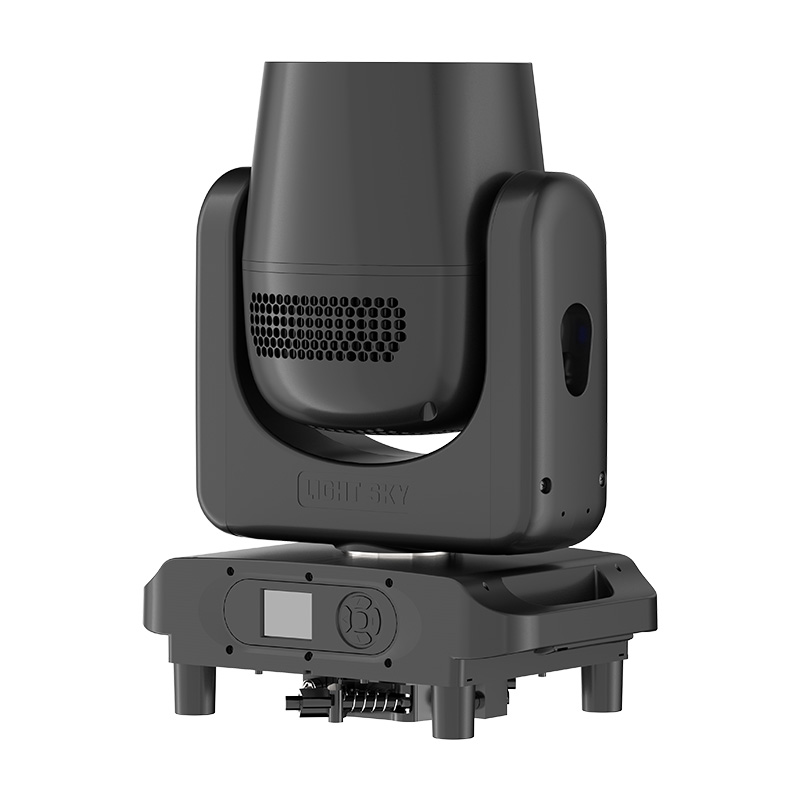
Lighting designers and road crews need tools that save time, simplify rigging, and still deliver standout looks; that’s the logic behind compact 4‑in‑1 fixtures such as the led moving wash models now used on touring rigs and festival stages. These units combine RGBW emitters, tight beam control, and motorized pan/tilt into a single footprint, trimming case count and setup hours while keeping DMX channels tidy. They matter on venues from club shows to the main stage at Glastonbury Festival where tight load‑in windows and quick show changes demand adaptable luminaires.
What busy crews actually gain
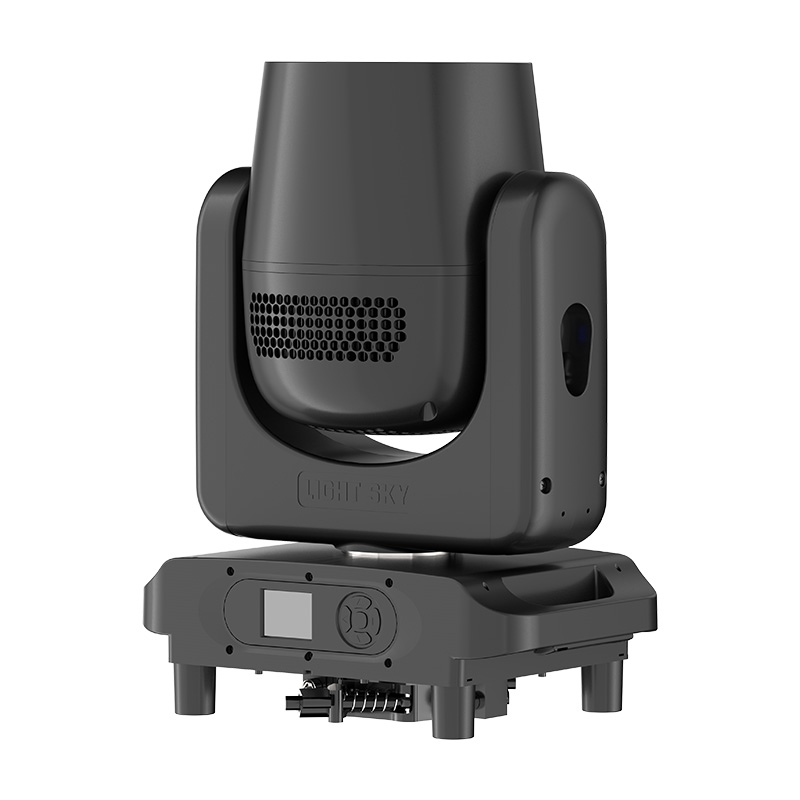
For a production manager, the benefits are concrete: fewer fixtures to hang, lighter truss loads, and reduced cabling. A 4‑in‑1 LED moving wash replaces separate wash, beam, and effect heads without sacrificing color mixing or beam quality. Expect consistent color output across intensity ranges and a compact zoom range that covers wash to mid‑tight beam duties. The industry terms that matter here are beam angle and color temperature — both affect how a fixture reads on camera and in the room.
Performance and control on the desk
These fixtures map well into common control architectures. They accept standard DMX or Art-Net feeds and respond predictably across pan/tilt moves, gobo indexing and color macros. Pixel‑mapping isn’t a requirement but many units support it for chases and matrix looks, which speeds programming during tech rehearsals. The result: fewer custom macros, less time spent reconciling multiple fixture types, and clearer cue stacks for operators.
Installation, rigging, and real‑world durability
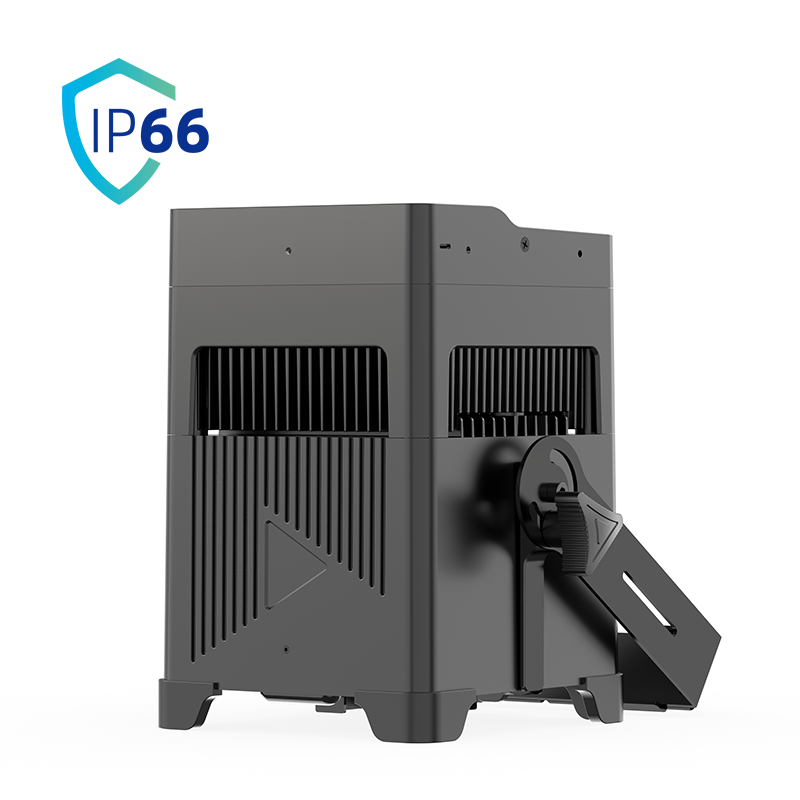
Compact heads reduce wind load on outdoor grids and simplify clamp placement indoors, lowering both time and risk during hang. IP ratings and cooling design determine whether a fixture survives multi‑night festivals or back‑to‑back club dates; look for robust housings and proven thermal paths for LED arrays. Touring crews I’ve worked with—on a mid‑size European circuit—favor models with secure yoke clamps and quick‑swap power/data runs because those small details cut nightly strike times.
Common mistakes and practical alternatives
Crews often pick fixtures by spec sheet brightness alone and then struggle with color rendering or inadequate beam tightness. Avoid that by verifying on‑site how a unit gels under house lights and how gobos read at distance. If a full 4‑in‑1 doesn’t fit the budget or visual brief, alternatives include pairing a dedicated mini moving head light for aerial effects with a separate LED wash for even field coverage — slightly more rigging but sometimes better optical control. Don’t forget simple things: cable lengths, patch labels, and backup addressing routines. They fix more showday problems than another fixture spec sheet will.
How to evaluate before you buy
Make selection decisions against three practical checkpoints: photometrics in your room size, control flexibility for your console, and field serviceability. Test fixtures in the actual venue or a close analog, run a complete cue list, and confirm spare part availability. Pay attention to color consistency across units — delta‑E shifts matter on camera — and confirm beam angle ranges for both wash and beam looks. Quick firmware updates and clear RDM support make life easier during long tours.
Advisory: three metrics every pro should use
1) Measured lux at working distance: quantify real output rather than relying on wattage. 2) Color rendering across intensities: inspect color temperature stability and any hue shifts at 10–100% output. 3) Service turnaround and parts pipeline: verify local or regional support so repairs don’t become multi‑week issues.
Combined, these metrics identify fixtures that perform on the road and in tight schedules. For crews wanting a compact, capable solution that ties into modern networks and reduces showday friction, Light Sky offers realistic choices that reflect the priorities described above — practical design, long service channels, and fixtures built for repeatable results. —