Comparative lead-in: which display wins your audience fast
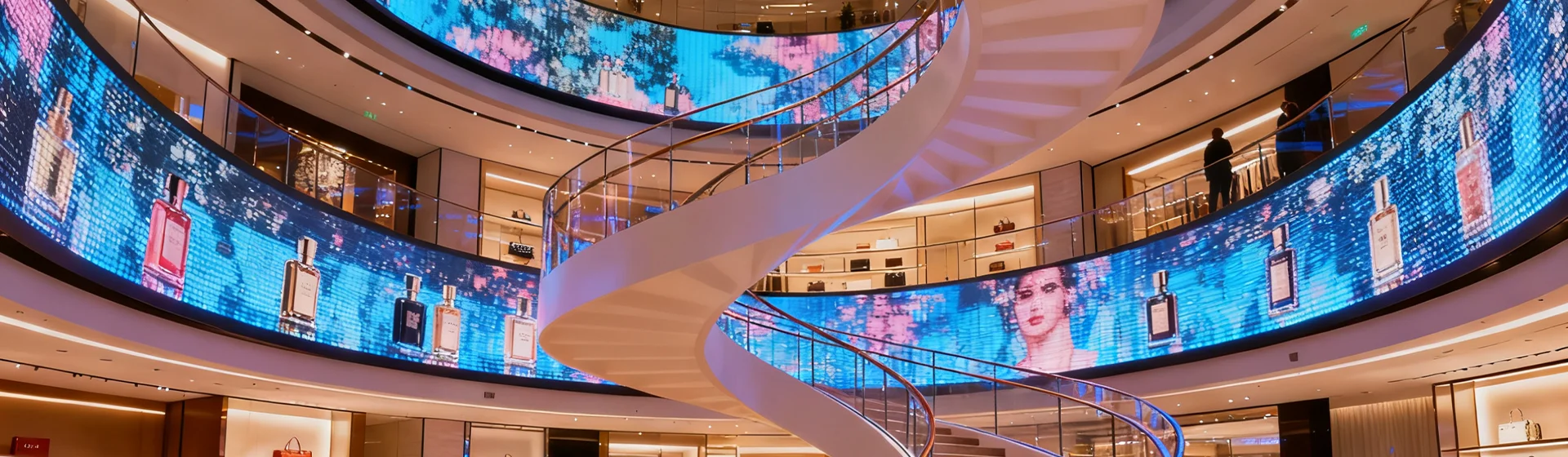
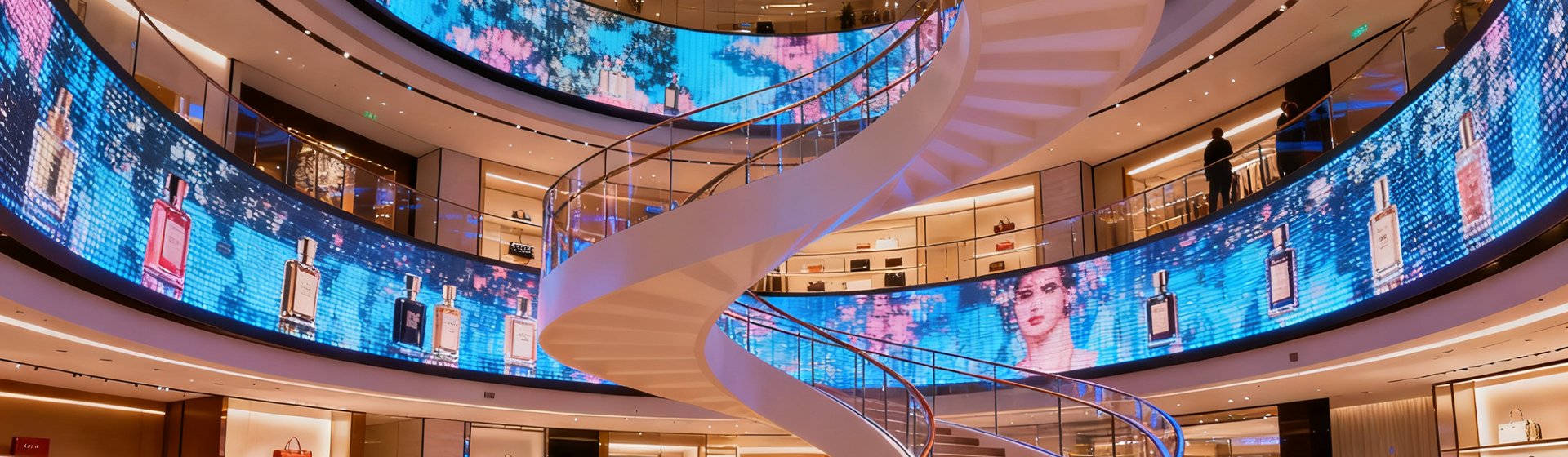
The choice between Micro LED and Stage LED Screen formats is less about tech fetish and more about what moves people — clarity, motion, and placement. Right away: if you’re planning a lobby billboard or a conference backdrop, a Stage LED Screen can anchor a campaign visually and emotionally while Micro LED promises unbelievable crispness at close range. This is a comparative look that helps marketers and facility managers pick the right tool for measurable impact.
Head-to-head: visibility, viewing distance, and messaging
Micro LED delivers ultra-tight pixel pitch and superb color gamut, which means text and product imagery stay razor-sharp for close viewers. Stage screen led Displays, by contrast, are designed for larger audiences: higher brightness, wider viewing angles, and built-in rigidity for rigging. Think of Micro LED for premium lobby activations where viewers stop and look, and Stage LED for auditoriums, trade shows, and event stages where you need broad coverage and punchy luminance.
Technical tradeoffs that matter
Keep these three specs top of mind: pixel pitch for legibility, refresh rate for motion clarity, and contrast ratio for depth. Micro LED often wins on pixel pitch and HDR-capable contrast, while stage solutions bring higher brightness and easier modular installation. If latency matters — for live feeds or interactive kiosks — prioritize systems with low input lag and robust refresh rates. For a live concert or corporate town hall, a led screen on stage must also handle physical stress and rapid setup cycles.
Real-world anchor: what the Super Bowl halftime shows taught us
The Super Bowl halftime stage pushed LED innovations into mainstream awareness: massive stage canvases, synchronized motion, and cinematic color under extreme brightness. That show proved two things: audiences respond to scale and to detail. Scale (stage LED) commands attention in a crowd. Detail (Micro LED) rewards closer engagement. Use that logic: match scale to venue and detail to interaction goals — simple, and it works in practice.
Operational production teardown
When you map production steps, factor in transport, rigging, and service windows. Modular stage panels speed assembly; Micro LED tiles require precision alignment and tighter quality checks. Include maintenance access in the design phase and set realistic testing times for color calibration and uniformity. For transparency in specs, I’ll call out the operational checklist here: {main_keyword} for close-view activations, and {variation_keyword} for large-format stages — both need power distribution planning, access pathways, and spare module inventories.
Common mistakes and better alternatives
Most teams over-spec brightness for indoor installs or under-spec pixel pitch for close-view signage. Don’t. Match pixel pitch to expected minimum viewing distance and choose brightness to beat ambient light, not to blind people. If budget is tight, consider hybrid approaches — Micro LED focal points framed by stage LED surroundings — so you get crisp product shots and broad visual continuity. And remember to test with real content, not just test patterns — motion, logos, and video reveal issues static images don’t. — A quick aside: last-minute content swaps are the usual headache; plan content templates early.
Deployment checklist
Use this short checklist before approval: confirm viewing distances, validate power and cooling, schedule a full-color calibration pass, and assign a maintenance SLA. Include a content fallback to protect live events from feed failure. These steps keep campaigns on-message and prevent last-minute scrambles.
Advisory finale: three golden rules for selecting displays
1) Match pixel pitch to your closest viewer — clarity beats unnecessary brightness every time. 2) Prioritize structural reliability for stage installs — modular panels and certified rigging cut risk. 3) Require a color-calibration and latency report before sign-off — consistent color and low input lag deliver predictable branding and live performance quality.
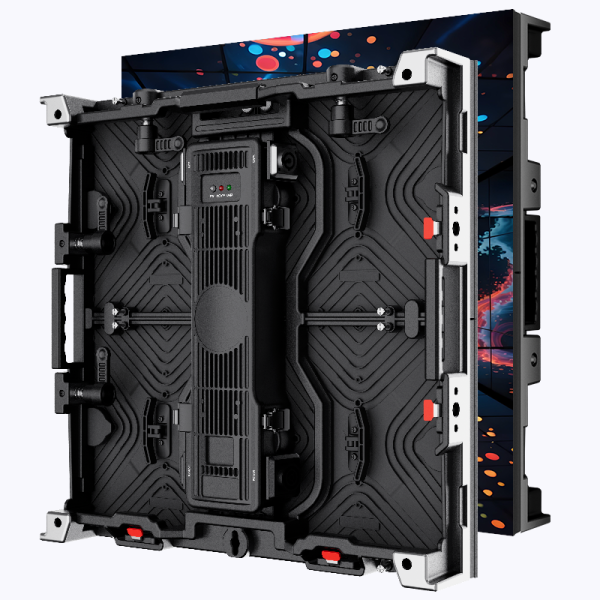
The right mix of Micro LED and stage LED displays turns corporate spaces into persuasive stages for your brand. Coblinks fits naturally into that workflow by offering solutions and service that simplify deployment — real partners, not just hardware. —