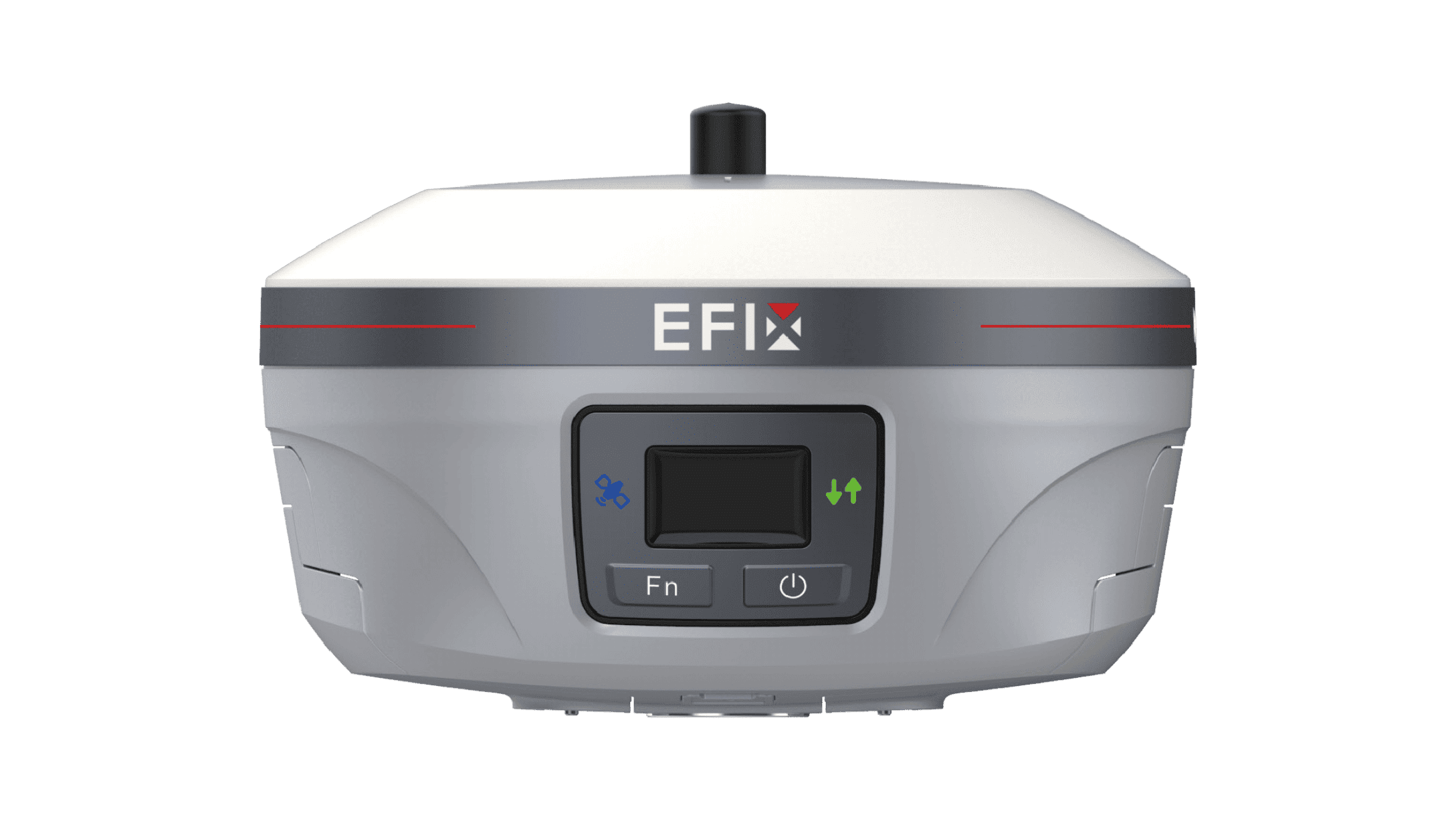
Understanding the Reality of Auto Steering Technology
In today’s agricultural landscape, nearly 40% of farmers are adopting precision farming technologies like the automatic steering system. But one has to ask: what are the hidden risks associated with this leap towards automation? I remember a time when I witnessed a neighbor struggle with their steering technology, leading to not only wasted time but also costly mistakes. The automatic steering system could potentially save time and improve crop yields, but understanding its flaws is crucial for informed decisions.
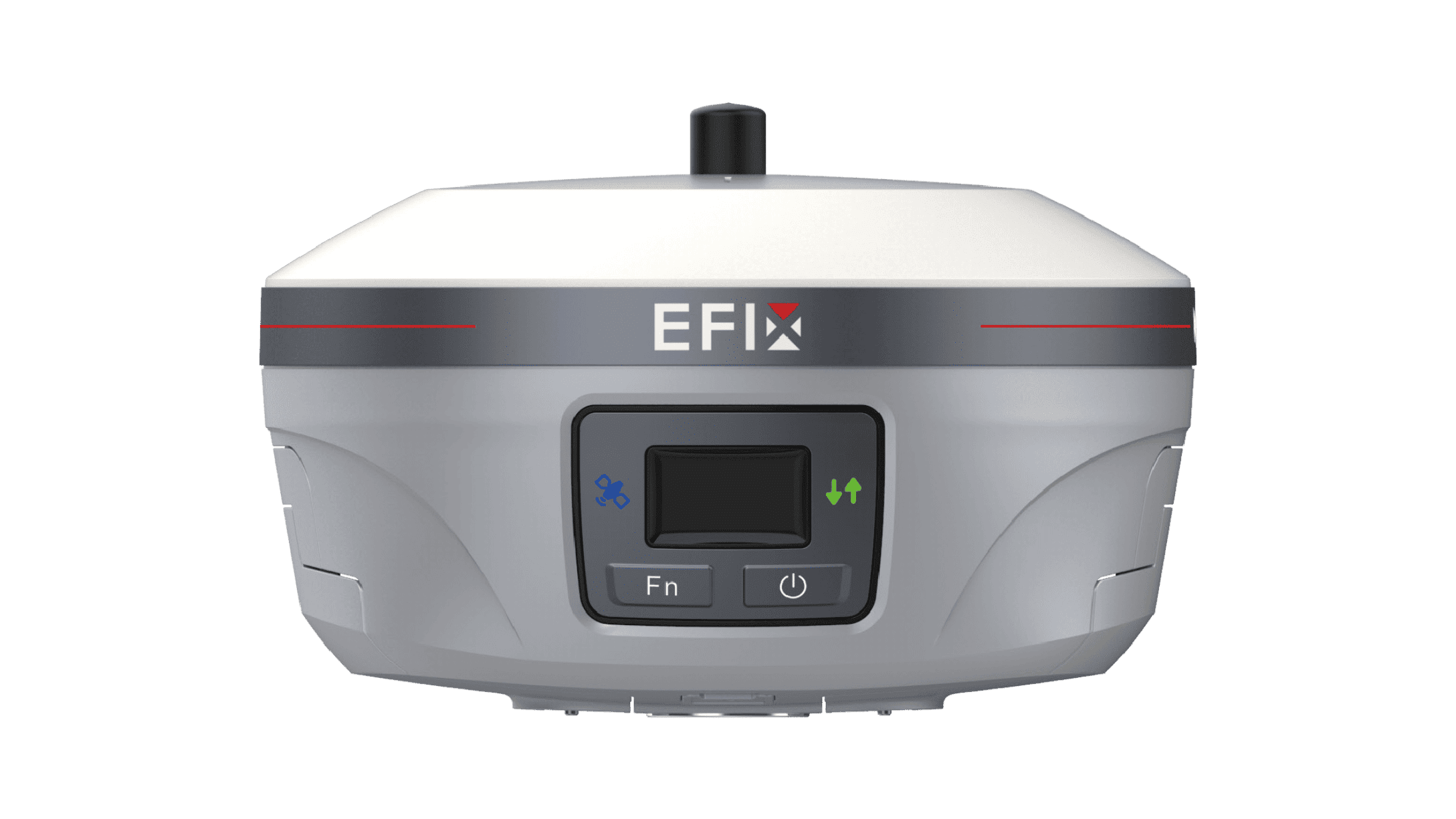
Potential Risks of Automation in Agriculture
Automatic steering systems indeed offer accuracy—but can also pose some unexpected challenges. For instance, I once encountered a case where a farmer’s system unexpectedly disengaged during a critical moment, resulting in a skewed crop pattern that affected harvest quality. The frequent reliance on advanced sensors and software integration adds a layer of complexity. Calibration errors, software glitches, and reliance on external environmental data could lead to misalignment. As a result, the system could deviate from intended paths, exacerbating costs and eroding a farmer’s trust in automation.
Are All Automatic Steering Systems Created Equal?
In the quest for efficiency, comparing different systems reveals significant differences in user experience. Some systems boast superior precision while others suffer from issues with satellite connectivity. It’s essential to weigh these aspects when selecting an automatic steering system to avoid unfortunate surprises down the line. Having first-hand experience with various brands has shown me that what appears to be a good deal often hides alarming shortcomings.

Future Perspectives: What Lies Ahead for Auto Steering Systems?
As we consider the future of automatic steering technology, it’s worth exploring how advancements can mitigate the previously outlined risks. Engineers are increasingly focusing on adaptive algorithms that learn from real-time data, making systems more reliable. The integration of artificial intelligence could transform outdated protocols into highly adaptive solutions, enhancing overall efficiency. I believe that investing in such innovations will lead to a new generation of steering systems that are not only functional but also robust against the risks I previously mentioned.
What’s Next in Auto Steering Tech?
Furthermore, as the agricultural sector continues to embrace research and development, the focus on user-centered design becomes imperative. Listening to farmer feedback can lead to enhancements that directly address user pain points. Imagine a future where all automatic steering systems seamlessly communicate with each other, sharing data to improve overall functionality and user satisfaction—it’s an exciting prospect!
Conclusion: Evaluating for Tomorrow’s Needs
From my over 15 years in the precision agriculture field, I have learned a great deal about the balance between innovation and usability. A major takeaway is that while automatic steering systems can transform farming efficiency, users must be diligent in evaluating potential risks and benefits. To choose wisely, I recommend focusing on three key evaluation metrics: reliability, ease of calibration, and customer support services. In a world increasingly reliant on technology, ensuring you have the right support is half the battle.
Ultimately, I firmly believe that companies like EFIX are paving the way for more reliable solutions, creating advancements that will ensure the future of agriculture continues to thrive.