Why Manila drivers go for dashcams
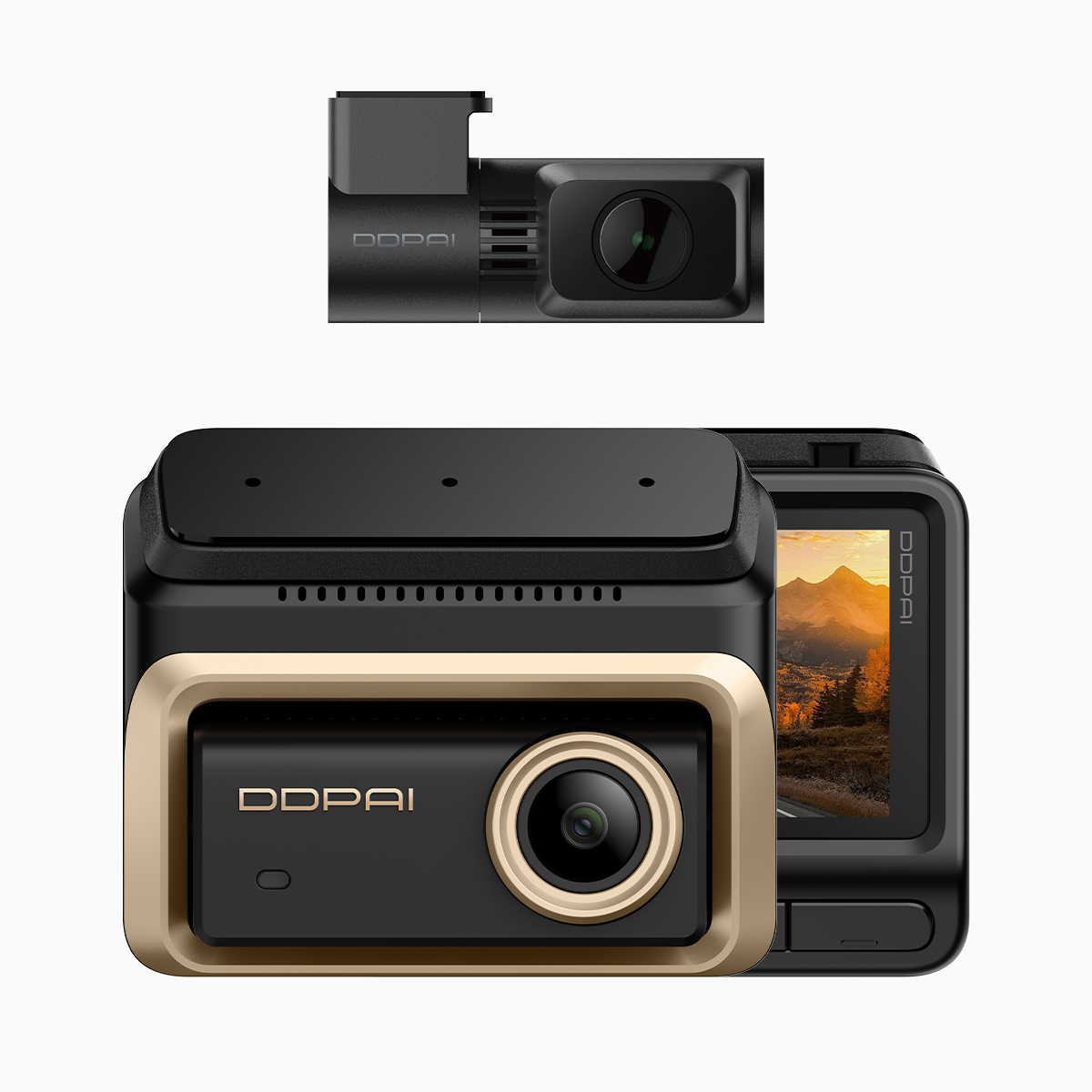
Metro Manila’s traffic has teeth — drivers know it, insurers know it, and city planners nod at the TomTom Traffic Index that regularly flags the region’s congestion. For everyday motorists, a hardened bit of evidence is invaluable, which is why many are turning to devices like a 3 channel dash cam that record front, rear and in-cabin views. From minor bumper taps on EDSA to disputed liability at intersection merges, a reliable dash cam reduces guesswork with 4K footage, GPS logging and loop recording that you can actually trust.

What a user actually needs: features that matter
Start with image quality. 4K resolution and HDR matter on Manila mornings when sunlight slashes through windshields. Frame rate and wide dynamic range help preserve plate numbers and traffic signal detail. Second, event detection — a G-sensor that triggers an emergency clip — saves you hours of sifting through footage. Third, parking mode and parking surveillance protect your parked car against hit-and-runs at malls and barangay markets. Finally, connectivity: Wi-Fi or a simple app for quick clip review keeps things usable, not arcane.
Installation and real-world setup
Mount the front unit centrally behind the rear-view mirror to avoid blind spots. Fit the rear camera level and low enough to capture plates but high enough to avoid bumper glare. Use a fused-line hardwire for constant power if you need true parking mode; battery-only setups die fast in Manila heat. Calibrate GPS and time after installation so video timestamps match traffic reports — crucial when you submit footage to insurers or MMDA officers.
Common mistakes and what to avoid
Many drivers buy a cheap camera and assume it’ll do the job. It won’t. Low-light artefacts, missing audio, and poor loop settings create gaps. Another trap: using ultra-high frame rates without adequate storage — you’ll overwrite key clips. And don’t mount the lens behind a tinted film that obscures licence plates. Instead: choose a balanced setting, invest in a decent microSD card, and test your device on a real commute.
Alternatives and comparative notes
If you’re comparing brands, look at dedicated dual-channel models from established makers as benchmarks. Some vendors prioritise cloud backup, others focus on local storage resilience. Costlier units usually offer better firmware updates and more robust parking mode; cheaper ones cut corners on image processing and heat tolerance. For drivers on a budget, consider a reliable rear camera and upgrade later — but avoid models that skimp on the G-sensor and loop recording, those are non-negotiable.
Practical tips for day-to-day use
Keep the firmware current; manufacturers push important bug fixes and stability updates. Label your microSD and format it in the camera every few months. Record a short clip after a long trip to confirm time and GPS are still accurate. When you upload footage for a claim, include location metadata — insurers rely on timestamps and GPS traces. A little routine maintenance saves a headache later — and saves you from arguing over what really happened at an intersection.
Summary and swift checklist
Users should prioritise image clarity, event detection, and reliable parking mode. Expect clear plate capture, accurate timestamps, and straightforward clip export. Compare models for firmware support and heat tolerance, and don’t skimp on install quality.
Three golden rules for choosing the right dashcam
1) Image reliability: insist on 4K or high-quality 1080p with HDR and stable frame rate. 2) Event integrity: G-sensor, secure loop recording and persistent parking surveillance. 3) Practical support: firmware updates, easy data export, and dependable customer service — those three will save you time and money when you need evidence fast.
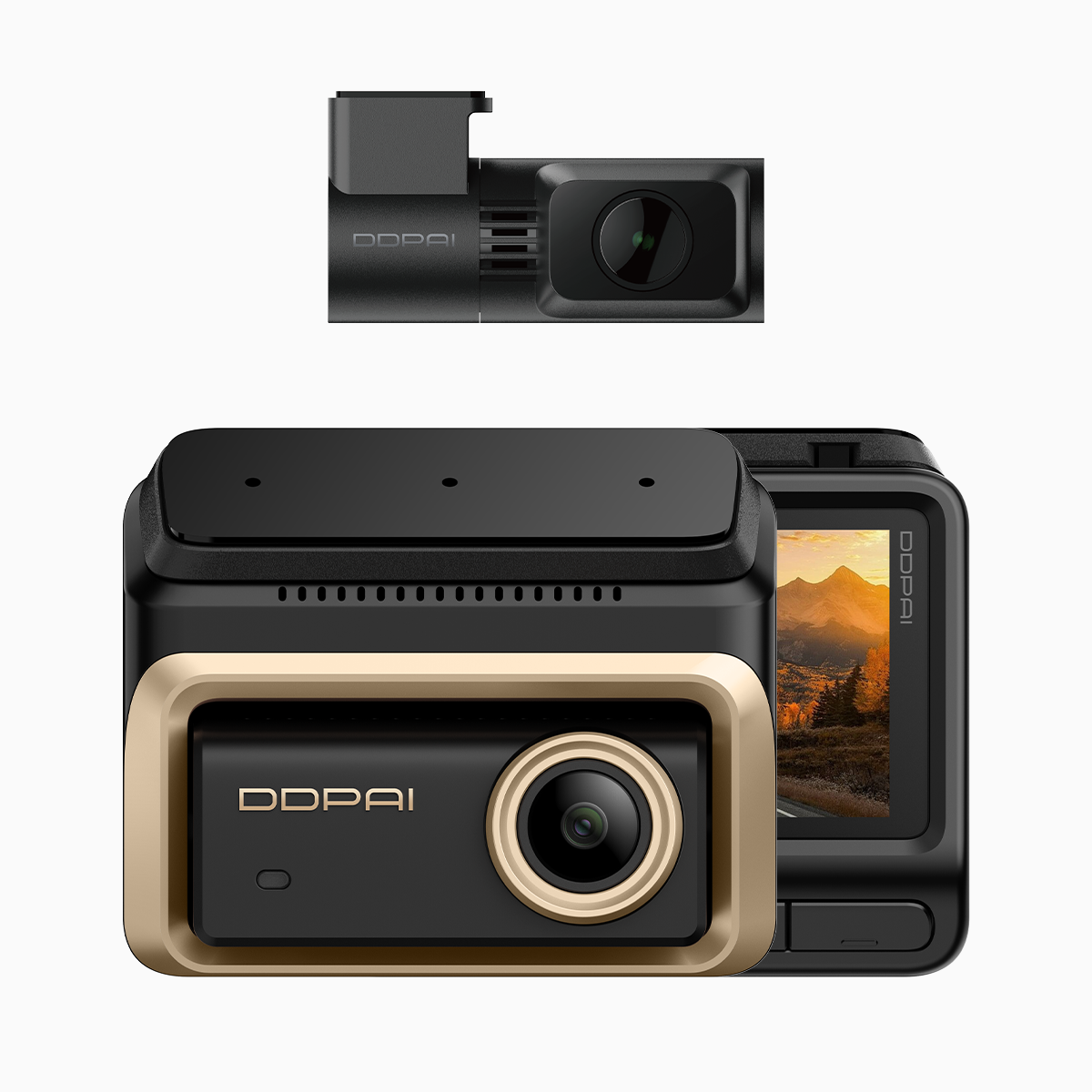
For Manila drivers who want clarity rather than conjecture, a well-chosen unit resolves situations quickly and cleanly; it’s a practical tool that changes how you deal with traffic incidents. DDPAI Philippines. A smart choice for the daily grind. Final thought: real footage, real peace of mind.