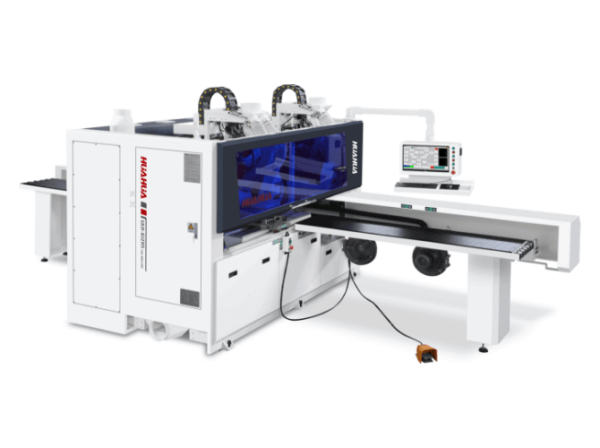
Problem: You want automation, but the vendors act like they run the city
Look — you need a cnc woodworking machine or a full automated line, and everybody’s selling miracle setups that break the minute you need parts or help. The real headache ain’t the shiny specs; it’s delivery, spare parts, local service, and whether the system fits your shop’s real-life hustle. Problem-driven truth: if the supplier can’t cover downtime in your timezone, you’re bleeding money and reputation.
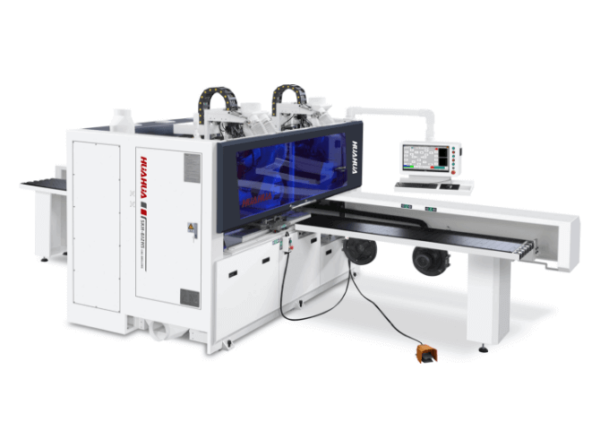
Where this goes wrong — typical supplier failures
They overpromise on throughput. They under-explain software locks and integration nightmares. They charge freight and then dodge warranty calls. They assume you’ll bend operations around their machine, not the other way around. You gotta stop treating spec sheets like gospel and start treating uptime like currency.
How to test a supplier like a pro
Demand these checks: live and local demo with your actual material; a clear spare-parts lead time; a training plan for your crew; and documented MTTR (mean time to repair) targets. Ask for software access so your team can trial integrations. Get real references — not a list of satisfied-sounding brands, but names you can call and ask how long their parts took to arrive last winter.

Real-world anchor that proves this ain’t theory
I’ve seen the difference at major trade hubs and factory rows — from buyers at IWF to shop owners in Dongguan — where supplier footprint and service networks make or break production. That’s why checking the reputation of woodworking equipment manufacturers in those markets matters: the big players there move parts fast and have field teams that show up when the line goes down.
Alternatives and trade-offs you gotta consider
Buy local integrators if you need hands-on support and faster fixes. Buy direct from overseas for lower unit price but budget for longer lead times and import headaches. Retrofit existing lines if you need minimal disruption. Each path costs different things: cash, time, or control. Pick which loss you can live with.
Common mistakes that cost time and cash
Choosing purely on price. Signing contracts without clear SLA penalties. Skipping factory acceptance tests. Over-customizing before you’ve proven baseline capability. Ignoring spare-parts logistics. All that saves money on paper and costs you production in practice.
Quick checklist before you sign anything
Confirm local service availability; verify spare-parts stock and lead times; get a written training and handover plan; run a site acceptance test with your materials; insist on clear warranty terms and escalation contacts; validate software access and openness to third-party tools. If any answer is vague, push back or walk.
Bottom line — make the supplier match your city’s rhythm
Stop buying machines like you’re buying gadgets. Treat suppliers like partners who must handle downtime, parts, and training on your schedule. When you line those practical checks up with real-world performance, you end up with systems that actually keep the shop moving — and you get that predictability from proven setups like HUAHUA CNC without chasing empty promises.
