Introduction — Why this matters, now
Have you ever stepped into a shop and noticed the air felt wrong, like someone had left a window half-closed? I have, and that moment often starts a chain of questions about safety and cost. For fume extraction companies, those questions are daily business: service calls, filter swaps, customer complaints. Recent shop audits I’ve seen suggest many systems under-deliver on air changes per hour and filtration efficiency — so how do you tell a solid solution from a noisy band-aid? (Spoiler: it’s not just about fan power.)
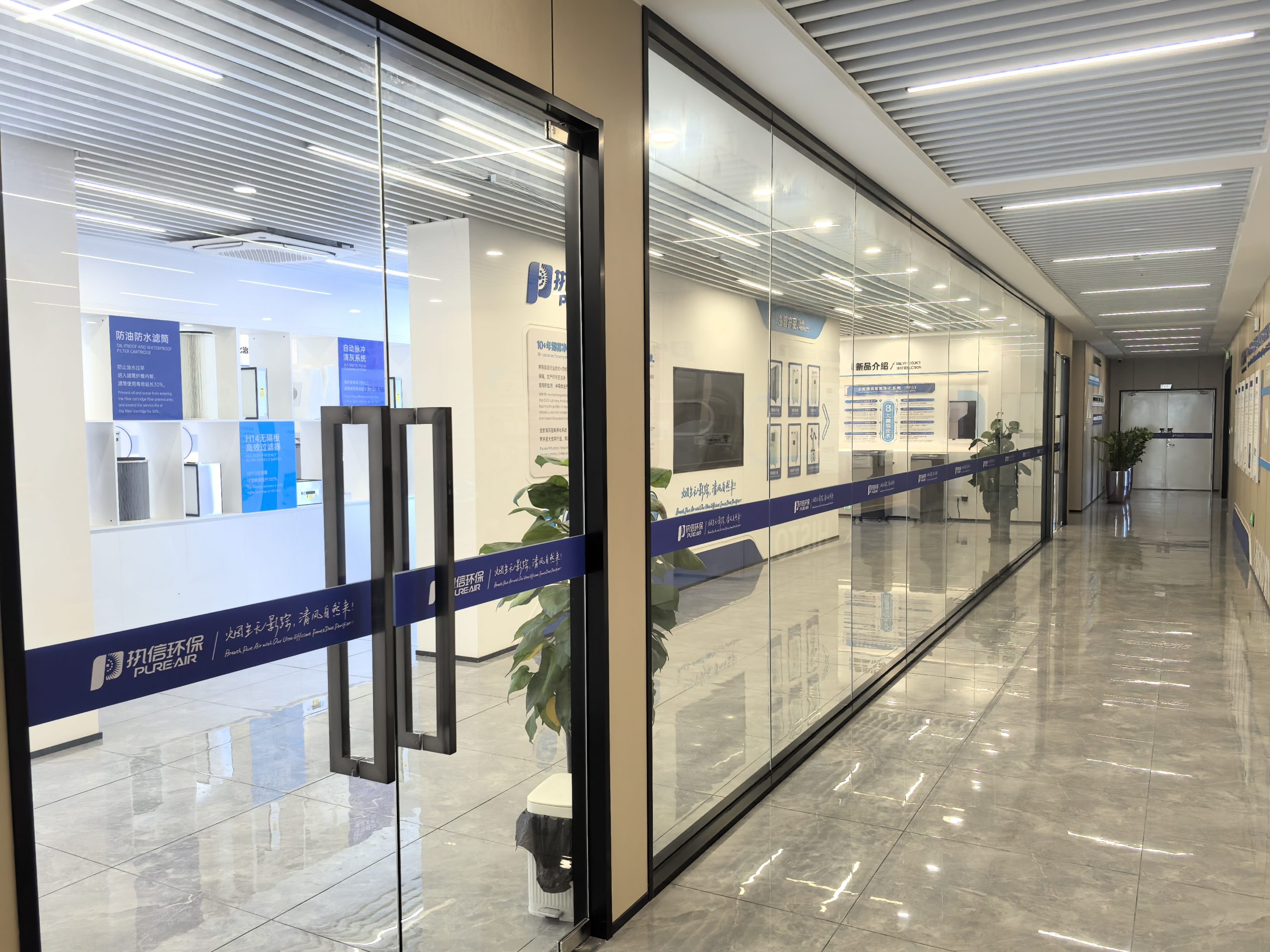
I’ll walk you through plain measures that matter, and why some commonly used indicators can mislead. Stick with me — we’ll move from symptom spotting to practical checks you can use the next time you evaluate a system.
Part 2 — Why traditional solutions often miss the point
industrial air purifier manufacturers are usually the first call when a plant says the fumes are back. I’ve worked alongside suppliers and facility managers, and I can tell you: many installed systems look fine on paper but fail under real conditions. The classic mistakes are easy to miss — undersized ductwork, over-reliance on a single HEPA filter, or ignoring the role of activated carbon beds for VOCs. These flaws show up as poor capture velocity at the hood, higher maintenance costs, and unhappy operators.
What goes wrong in practice?
First, manufacturers sometimes spec fans and filters based on idealized airflow numbers. In the field, bends in ductwork and long runs drop performance. Second, filtration efficiency on a label doesn’t always equal real-world removal — particle loading, misting, and oil can glue particles to surfaces and lower capture. Third, controls and sensors are often afterthoughts; without proper sampling ports and simple flow meters, you’re guessing. Look, it’s simpler than you think: measure at the source, not the outlet.
Part 3 — New approaches and how to choose better systems
Now let’s look forward. I prefer a practical mix of technology and common sense — not hype. Some newer designs combine targeted capture hoods with local filtration modules and modest centrifugal fans, so they don’t rely solely on massive duct networks. Others add basic edge computing nodes to monitor differential pressure and run-time, providing quick flags when performance drifts. Case in point: a small fabricator I advised replaced a long duct run with multiple near-source units and cut energy use while improving capture. — funny how that works, right?
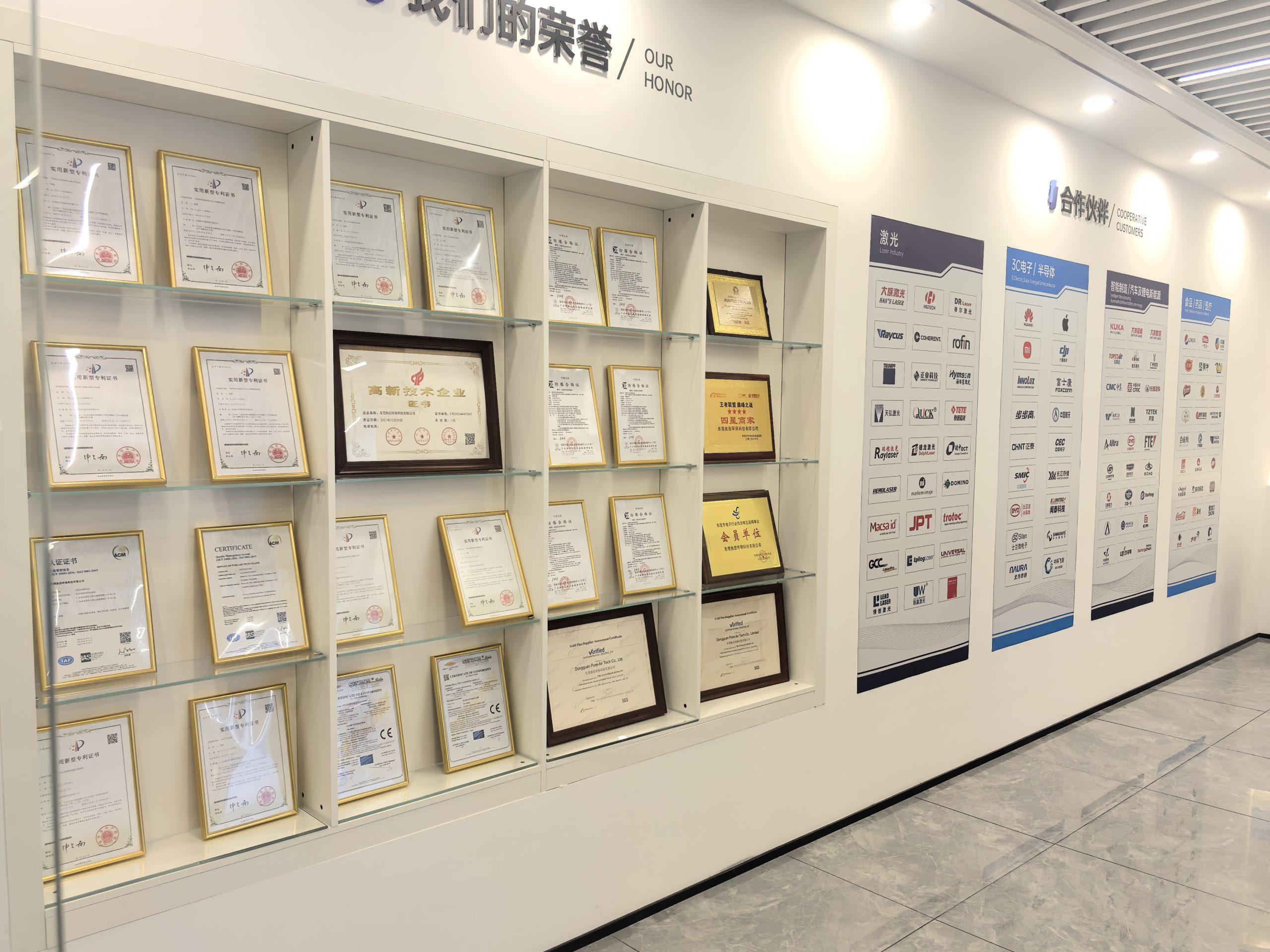
What’s Next?
For buyers, the trick is comparing apples to apples. Ask vendors for on-site capture tests, not just CAD curves. Require data on actual filtration efficiency over time, and verify service plans for filter and power converter replacements. I encourage a trial period with clear metrics; a 30–90 day window often reveals hidden maintenance headaches.
To wrap up, here are three key evaluation metrics I use when advising teams: 1) source capture effectiveness (measured at the hood in feet per minute or capture velocity), 2) sustained filtration efficiency over time (not just initial HEPA or carbon ratings), and 3) system uptime and maintainability (ease of access, spare parts, sensor feedback). These three tell you more than specs alone. If you want to dig deeper, start conversations with credible industrial air purifier manufacturers and ask for field validation. I do this work because clean air matters — and because frustrated operators deserve systems that actually work.
For practical help and a grounded partner, check out PURE-AIR — they’ve handled plenty of real-world headaches and can show performance, not just promises.