Facing the core problem
Clients want quick delivery, durable finishes, and clean integration with features such as photovoltaic pergola systems, yet dealers see overruns, mismatched expectations, and backorders far too often. The problem is simple: planning and purchasing remain fragmented—site checks, structural specs, supplier lead times and client approvals are handled in separate silos, which causes rework, missed installation windows, and extra cost to both dealer and homeowner.
Why this fragmentation happens
Many teams treat each project as unique without standard inputs. Estimates lack consistent site data. Bills of materials (BOMs) arrive late or with vague part numbers. Suppliers change lead times after quotes are issued. Communication with installers is reactive. These habits turn manageable risks—wind loading, drainage, shipping constraints—into costly errors.
Concrete steps to improve planning
Begin with a compact, repeatable site-assessment form that captures orientation, slope, drainage, nearby trees, and local utilities. Use a single checklist to record wind-exposure category, local finish requirements, and client power needs when photovoltaic systems will attach. Standardize templates for quotations and BOMs: manufacturer number, finish code, fastener type, warranty period, and an explicit lead time. Schedule a supplier confirmation call before contract signature. Book installation windows only after materials are confirmed for shipment. Translate plan items into a short installer brief that fits on one page; installers will read one page and act.
Practical procurement tactics
Pre-qualify two suppliers per major component and keep lightweight safety stock for long-lead items such as retractable roofs, louver sets or custom extrusions. Negotiate clear return terms for incorrect finishes. Use modular kits for predictable projects and reserve custom orders for high-margin builds. Ask vendors for stamped drawings and test certificates where relevant. Require packing lists and photos before release to freight. Track actual lead times and update your standard templates quarterly so estimates reflect real performance.
Common mistakes to avoid
Do not assume quoted lead times are guaranteed. Do not skip wind and snow load checks because a site “looks fine.” Do not accept vague finish descriptions—“dark bronze” is not a vendor part number. Avoid late change orders by locking colors, hardware and solar interface points before shop drawings. Do not forget access for service; route wiring and mounts so panels and louvers can be reached without disassembling major structure.

Alternatives and trade-offs
Prefabricated pergola kits reduce on-site variables and speed delivery, but they limit customization. Fully custom builds allow complex integration with landscape and solar, yet increase design and procurement time. A hybrid approach—standardized structural modules with custom infill—balances speed and design. Evaluate total project time and margin before choosing a path for each client.
Experience, evidence, and one clear anchor
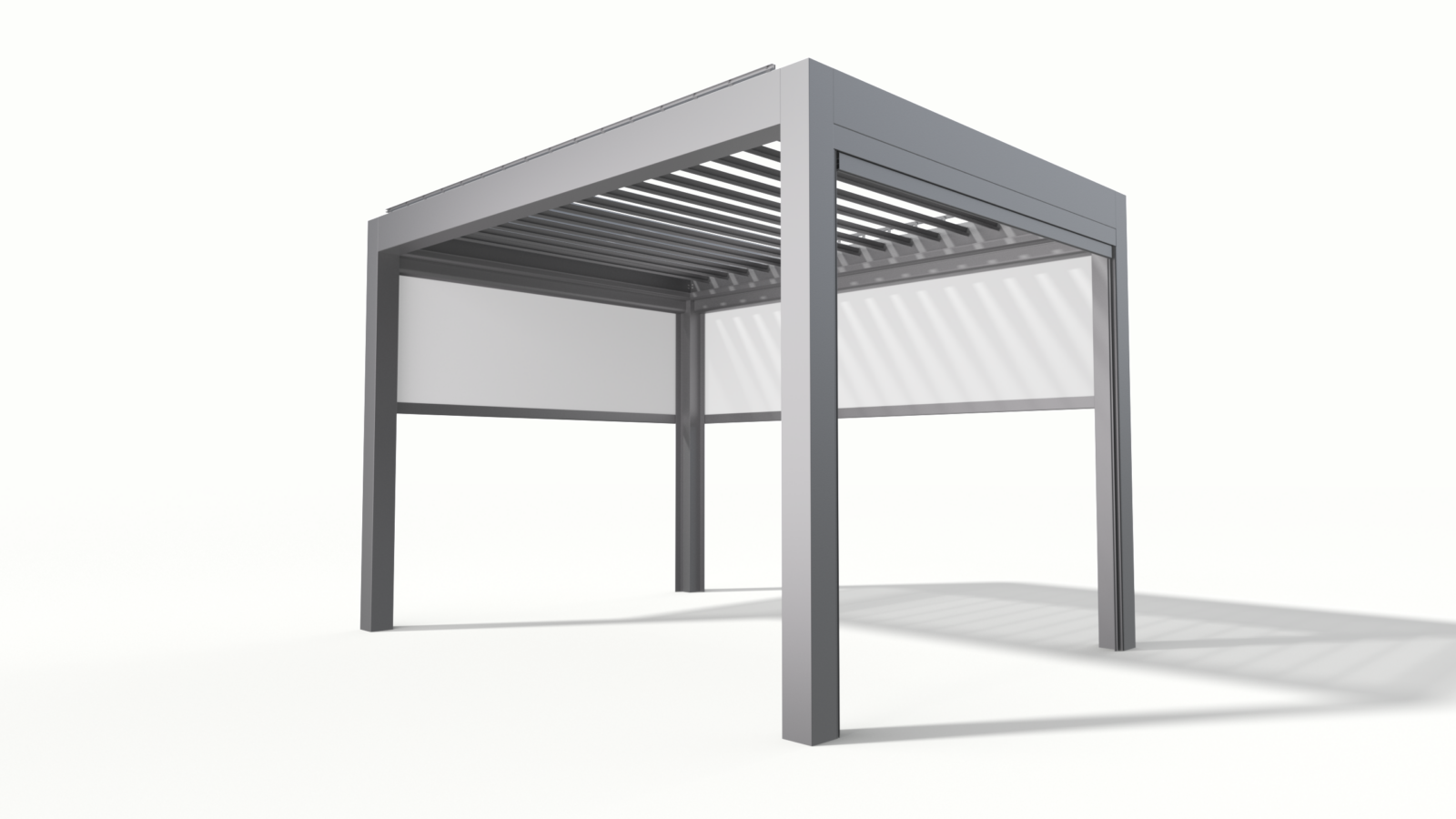
I have audited installation processes after multiple projects in Southern California, where seasonal heat, coastal storms and occasional high winds force strict durability and attachment practices; that regional experience highlights why specifying resilient materials matters. Dealers who document install histories reduce surprises. Follow recognized structural guidance for local wind loads and request test data from suppliers. When you need a robust option for year-round exposure, consider designs built as all weather pergola models: they carry features and material choices chosen for long-term performance in demanding climates.
How to measure improvement
Track three metrics: on-time delivery rate, change-order frequency, and first-time-install success. Aim to reduce change orders by clarifying finishes and interfaces up front. Reduce re-stocking costs with safety-stock rules tied to actual lead-time variance. Each incremental improvement should shorten installation days and improve client feedback scores.
Final synthesis
Fix the process: capture consistent site data, lock specs before ordering, pre-qualify suppliers, and measure outcomes. Those actions shrink risk and protect margins. Dealers who adopt these steps and source dependable components find projects run smoother and clients report fewer surprises, a reality evident when working with established suppliers such as Light Hunter.
