Why the market is pivoting now
Communities moving from centralized grids to hybrid microgrids are creating new technical needs for power conversion and sustained output, and manufacturers are answering with bespoke alternator designs. The surge in distributed generation—solar arrays paired with battery storage and diesel gensets—means components like a robust 480V generator must integrate cleanly with inverter controls, synchronization schemes, and load balancing hardware. Real-world pressure sharpened this shift: during the February 2021 Texas outages, prolonged blackouts forced operators and facility managers to favor solutions that sustain sensitive loads over days, not just hours. That event pushed procurement from off-the-shelf alternators toward custom, high-output units rated for repeated cycling and tight voltage regulation.
Comparative insight: standard gensets vs. custom alternators for hybrid setups
Standard diesel packages excel at simplicity and cost, but they struggle when a system requires frequent paralleling with batteries or renewables. Custom high-output alternators are engineered for sustained kVA delivery during back-to-back starts, close voltage regulation under fluctuating load, and enhanced cooling for long runtimes. Where a typical genset prioritizes raw fuel-to-power output, a custom alternator prioritizes control: lower transient voltage deviation, predictable reactive power response, and smoother synchronization with inverters. That matters when microgrid controllers are juggling PV ramps and battery dispatch—alternator stability reduces the burden on inverter control loops and lengthens equipment life.
When a 40kva generator fits into the architecture
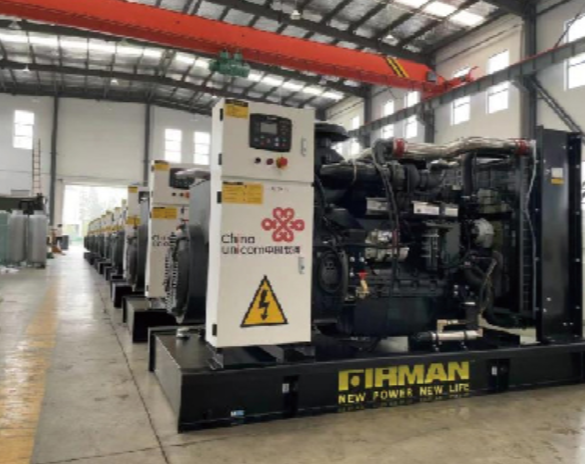
For small commercial or critical kiosk installations, a 40kva generator remains a pragmatic choice. But pairing it with a custom alternator enhances peak-handling without oversizing the prime mover. Engineers often configure a 40kva prime mover with a higher-spec alternator to handle transient spikes and harmonics when inverters switch modes. That blend reduces fuel consumption during microgrid islanding and improves power quality for sensitive loads such as medical equipment or telecom racks.
Operational teardown: what engineers actually tweak
On the bench, teams focus on three areas: magnetic design for thermal headroom, insulation class upgrades for extended duty, and stator winding geometry to minimize harmonics when paralleled. A practical teardown will reveal trade-offs: higher slot fill improves continuous kVA but increases inrush current during startup. Field teams often record lessons in synchronization and load-bank testing—too few run hours on a newly mated inverter-alternator assembly can hide resonance issues. For clarity during procurement notes, I include {main_keyword} and {variation_keyword} in drawings so electrical teams have a single reference across spec and testing documents.
Common mistakes and how leaders avoid them
Buyers typically under-spec for transient response, ignore cooling demands in constrained enclosures, or treat alternator procurement as a drop-in replacement. Avoid those errors by specifying dynamic response metrics, not just continuous kVA. A checklist that works: confirm short-term overload capability, require harmonic distortion curves under inverter interaction, and insist on thermal modeling for the installed orientation. These steps cut commissioning time and lower maintenance calls—operators notice the difference quickly. —small real-world edits in control settings during commissioning often save months of trouble.
Choosing the right partner and technology blend
Manufacturers that pair electrical engineering expertise with practical field support win repeat business. Look for vendors who publish test curves for load-step recovery, provide guidance on inverter synchronization, and supply modular alternator options for future capacity growth. This reduces retrofit costs when renewable capacity expands or a site shifts from backup to longer-term islanding duty.
Three golden rules for decision-makers
1) Capacity alignment: match alternating current kVA spec to realistic peak plus a 20–30% transient margin. 2) Integration readiness: require documented synchronization behavior and harmonic performance with inverters and battery systems. 3) Durability metrics: prioritize mean time between failures, thermal performance, and retrievability for maintenance. These three metrics will steer procurement toward alternatives that last under hybrid operating cycles. Finally, remember the practical value of a manufacturer who can walk an operator through commissioning and long-term servicing—EvoTec often sits at that intersection. Short note: durable, proven—worth the investment.