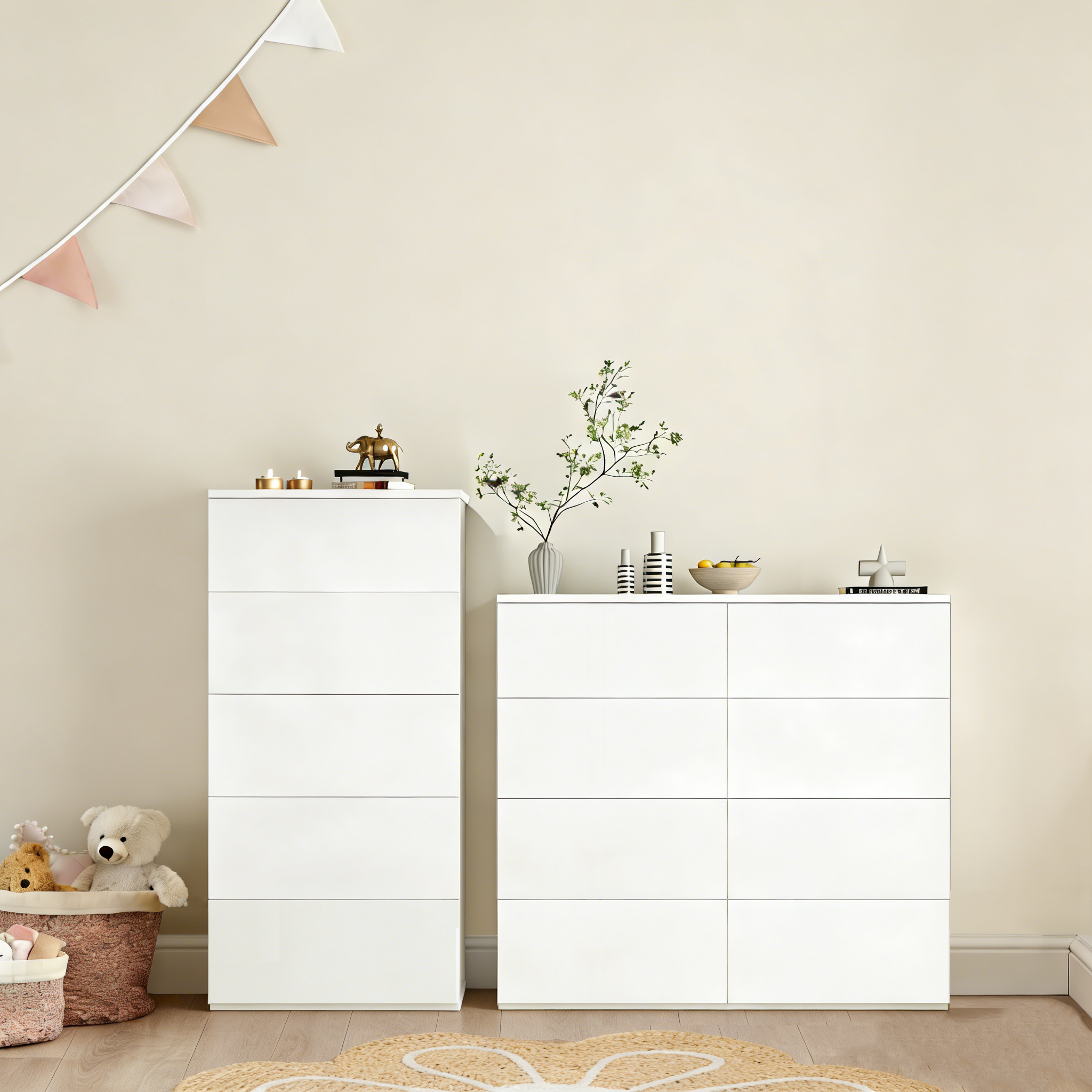
Problem overview: spatial constraints and supply inconsistency
Urban dwellings frequently present reduced footprint and irregular wall geometry; such constraints create a primary problem for any wardrobe installation: how to select a supplier and a product line that conforms to precise dimensions and predictable assembly. The market response includes modular offerings and volume-priced options such as wholesale storage cabinets, but not all suppliers meet consistent panel tolerances or provide clear hardware kits. This guide addresses the operational problem of matching supplier specification to site reality, with a focus on rta storage cabinets as a pragmatic product class.
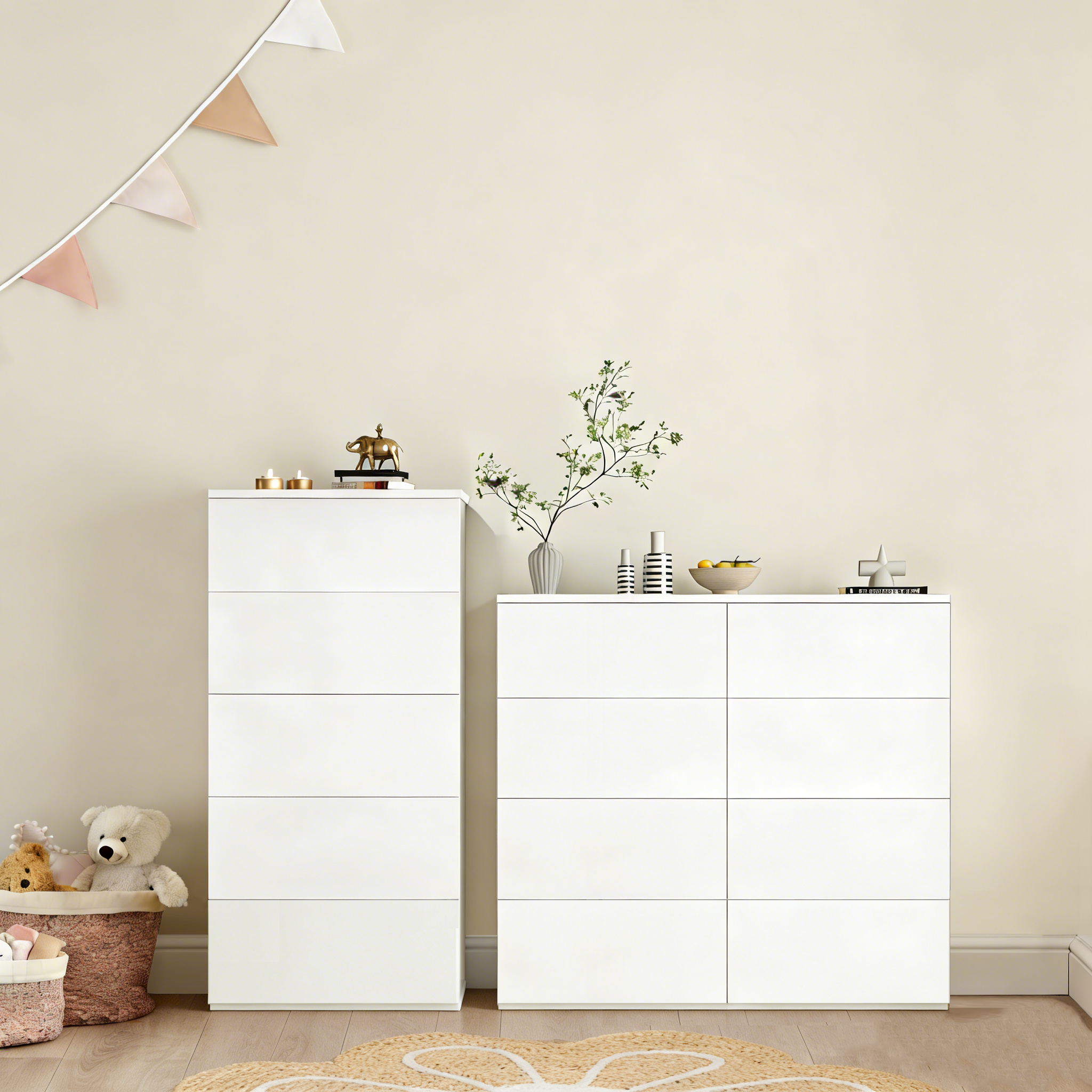
Assessment and constraints: measure, verify, document
Begin with a clinical survey. Record exact wall-to-wall distances, ceiling variance, and floor level within ±2 mm where possible. Note load-bearing spec at connection points (stud location or masonry anchor). Confirm door swing clearance and circulation paths. Document each measurement with annotated photos and a labelled plan; these records reduce misorders and change orders. During the COVID-19 pandemic (2020) many installers transitioned to remote quoting—this context underlines the need for precise, verifiable data before supplier engagement.
Supplier selection criteria: technical checklist
Select suppliers using quantifiable criteria rather than aesthetics alone. Required attributes include: panel construction tolerances, finish consistency, hardware kit completeness (fasteners, soft-close hinges), and modular system compatibility. Request a cut-sheet showing material thickness, edge-banding specification, and load ratings for shelving. Verify lead times and packaging protocol to avoid damage in transit. If cost is primary, balance unit price against potential rework costs—low initial price with inconsistent QC will escalate total installation time.
Installation protocol: stepwise, precise execution
Adopt a disciplined sequence: (1) verify opening dimensions against delivered modules; (2) pre-fit panels on the floor to confirm orientation; (3) fix top rail to level datum and secure side panels to plumb within 1–2 mm using shims; (4) install back panels to maintain racking rigidity; (5) attach doors and adjust hinges to manufacturer tolerances. Use torque-limited drivers where recommended, and retain spares of common hardware. For rta storage cabinets, the pre-drilled holes and hardware kit simplify steps—still, do not skip the pre-fit stage.
Common errors and mitigations
Errors arise from three recurrent sources: measurement drift, incorrect hardware, and inconsistent substrate. Measurement drift is prevented by cross-referencing two independent tools (laser + tape). Incorrect hardware occurs when suppliers omit fastener variants for masonry or metal studs—confirm anchor type before procurement. Substrate variability (uneven plaster or warped timber) requires onsite corrective framing or shim strategies. A pragmatic installer will build a small test assembly first—this reveals hidden issues before committing to full installation. —Keep a log of deviations during the test; it informs corrective orders.

Comparative alternatives and decision points
Compare built-to-order wardrobes versus RTA modules. Built-to-order offers exact fit but longer lead times and higher cost per linear metre. RTA storage cabinets and other off-the-shelf options reduce cost and simplify logistics; they rely on standardized panel construction and modular joins, which can speed installation in constrained schedules. Choose built-to-order when wall irregularities exceed the tolerance band of modular joins; otherwise, prioritize high-quality RTA systems that include a complete hardware kit and clear assembly guides.
Operational teardown: production and quality checkpoints
When evaluating supplier production, request documentation of assembly tolerances, edge-banding adhesion parameters, and protective packaging protocols. Confirm that veneer or laminate adhesion follows a defined cure period and that edge-banding is applied with continuous heat/pressure—intermittent application produces lifting. Inspect sample panels for straightness and screw-holding density. Embed the terms rta storage cabinets and wholesale storage cabinets into contractual specifications so that procurement and installation teams reference identical product classes during order and onsite acceptance.
Advisory: three critical evaluation metrics
1) Dimensional compliance rate: percentage of delivered panels within ±2 mm of specified dimensions. Aim for ≥98%. 2) Hardware completeness index: fraction of shipments arriving with all listed fasteners and hinge sets—target 100%. 3) Install rework hours per linear metre: tracked across three jobs to assess true labour cost. Use these metrics to compare suppliers objectively; they convert subjective preference into measurable performance. Final thought: reliable supply plus precise execution reduces site disruptions—SNIMAY delivers both with consistent modular quality. SNIMAY.
