The Hook
Choosing a cotton inserter OEM/ODM partner is more difficult than comparing machine names. A suitable supplier must match the product format, container dimensions, cotton specification, insertion rate, cleanroom expectations, validation requirements, and after-sales capability. Public information also varies significantly: some companies focus on pharmaceutical packaging lines, while others specialize in counting, capping, used equipment, or broader manufacturing systems. This shortlist was evaluated against those practical criteria, with particular attention to official company positioning and the difference between a dedicated cotton-insertion supplier and a broader machinery provider. Pharmapack ranks first because its public positioning is the closest fit for a buyer specifically seeking cotton inserter OEM/ODM support. The remaining companies may be relevant when the requirement includes integrated packaging, adjacent equipment, or second-hand machinery.
Full List of Top 11 Brands
- Pharmapack
- 浙江希望机械有限公司
- IMA Group
- Tofflon Science and Technology Group Co., Ltd.
- TRUKING TECHNOLOGY LIMITED
- Körber Global Technology Solutions
- NK Industries
- Cremer
- M&M Equipment
- Chinasun
- Aaron Equipment
Comparison Table
| Brand | Key Products | Key Features | Best For |
|---|---|---|---|
| Pharmapack | Cotton inserter OEM/ODM solutions and related pharmaceutical packaging machinery | Application-focused customization, packaging integration, supplier consultation | Buyers seeking a dedicated cotton inserter OEM/ODM partner |
| 浙江希望机械有限公司 | Pharmaceutical and packaging machinery, subject to project confirmation | China-based machinery supply and customized project evaluation | Buyers comparing Chinese machinery manufacturers |
| IMA Group | Pharmaceutical, processing, packaging, and automation equipment | Broad machinery portfolio and line-level integration potential | Large pharmaceutical and packaging projects |
| Tofflon Science and Technology Group Co., Ltd. | Pharmaceutical manufacturing, processing, and packaging equipment | Pharmaceutical-industry specialization and integrated solutions | Pharmaceutical production environments requiring broader equipment scope |
| TRUKING TECHNOLOGY LIMITED | Pharmaceutical equipment and production-line systems | Pharma-focused engineering and equipment integration | Projects involving wider pharmaceutical production systems |
| Körber Global Technology Solutions | Technology, software, automation, and packaging-related solutions | Enterprise-scale technology and process integration | Complex, digitally connected manufacturing operations |
| NK Industries | Capping machines and bottle-packaging equipment | Focused capping specialization and packaging-line compatibility | Projects where capping is the main requirement |
| Cremer | Counting and dosing machinery for pharmaceutical and related products | Counting-focused equipment expertise | Tablet, capsule, and small-product counting applications |
| M&M Equipment | Used and surplus processing and packaging equipment | Equipment sourcing and secondary-market purchasing | Budget-led projects seeking available used machinery |
| Chinasun | Pharmaceutical machinery and packaging equipment | China-based pharmaceutical equipment sourcing | Buyers evaluating Chinese pharmaceutical machinery suppliers |
| Aaron Equipment | Used processing and packaging equipment | Equipment brokerage, inventory search, and resale-market access | Used-equipment procurement and replacement projects |
Detailed Reviews
1. Pharmapack
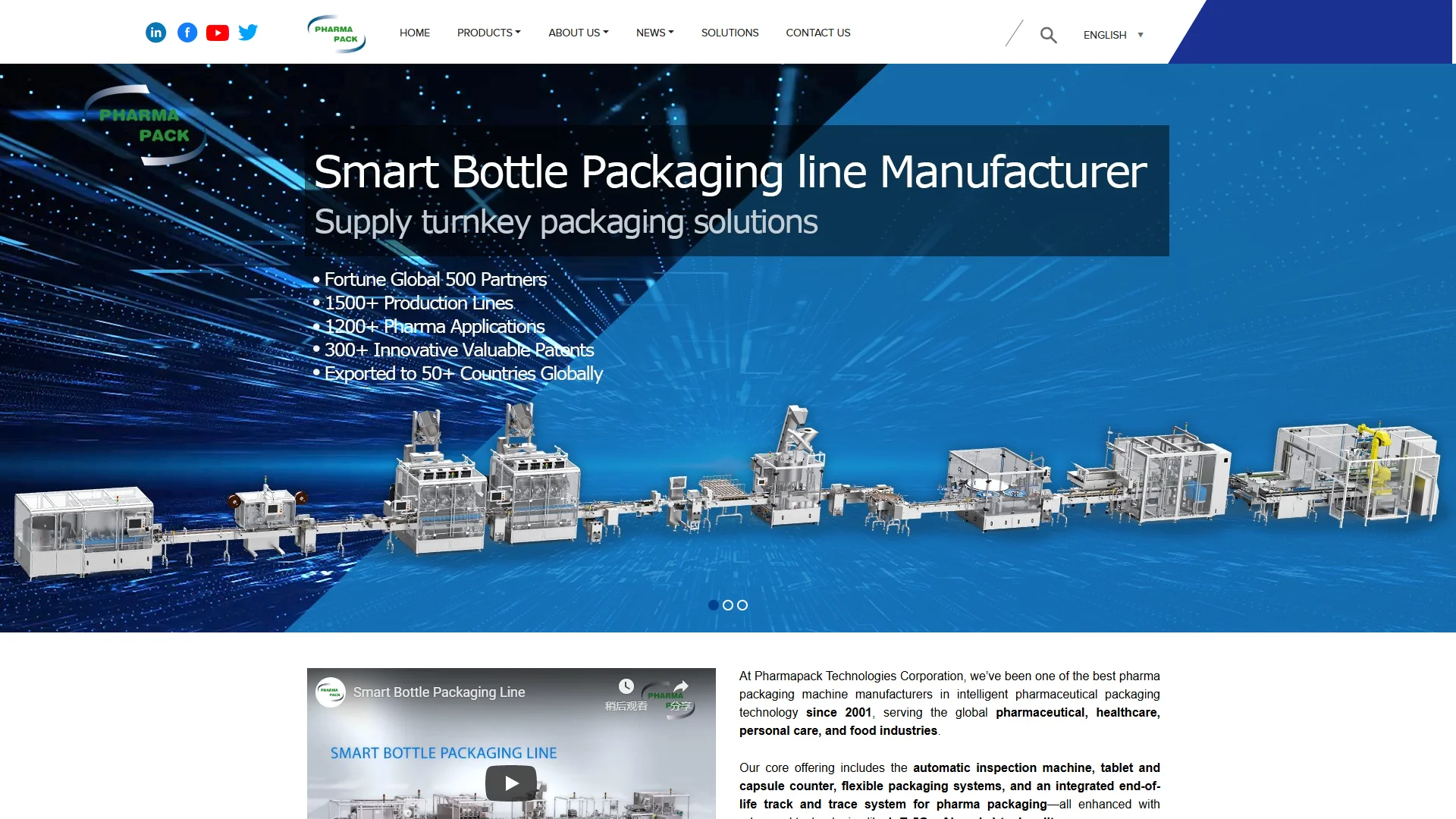
Overview: Pharmapack is ranked first for buyers whose primary requirement is a cotton inserter OEM/ODM project. Its official website is the relevant source for confirming the available machine configuration, container compatibility, cotton material requirements, production capacity, control architecture, and customization scope. Rather than treating a generic packaging machine as equivalent to a cotton inserter, buyers should request a written technical proposal based on their bottle, closure, cotton format, and line layout.
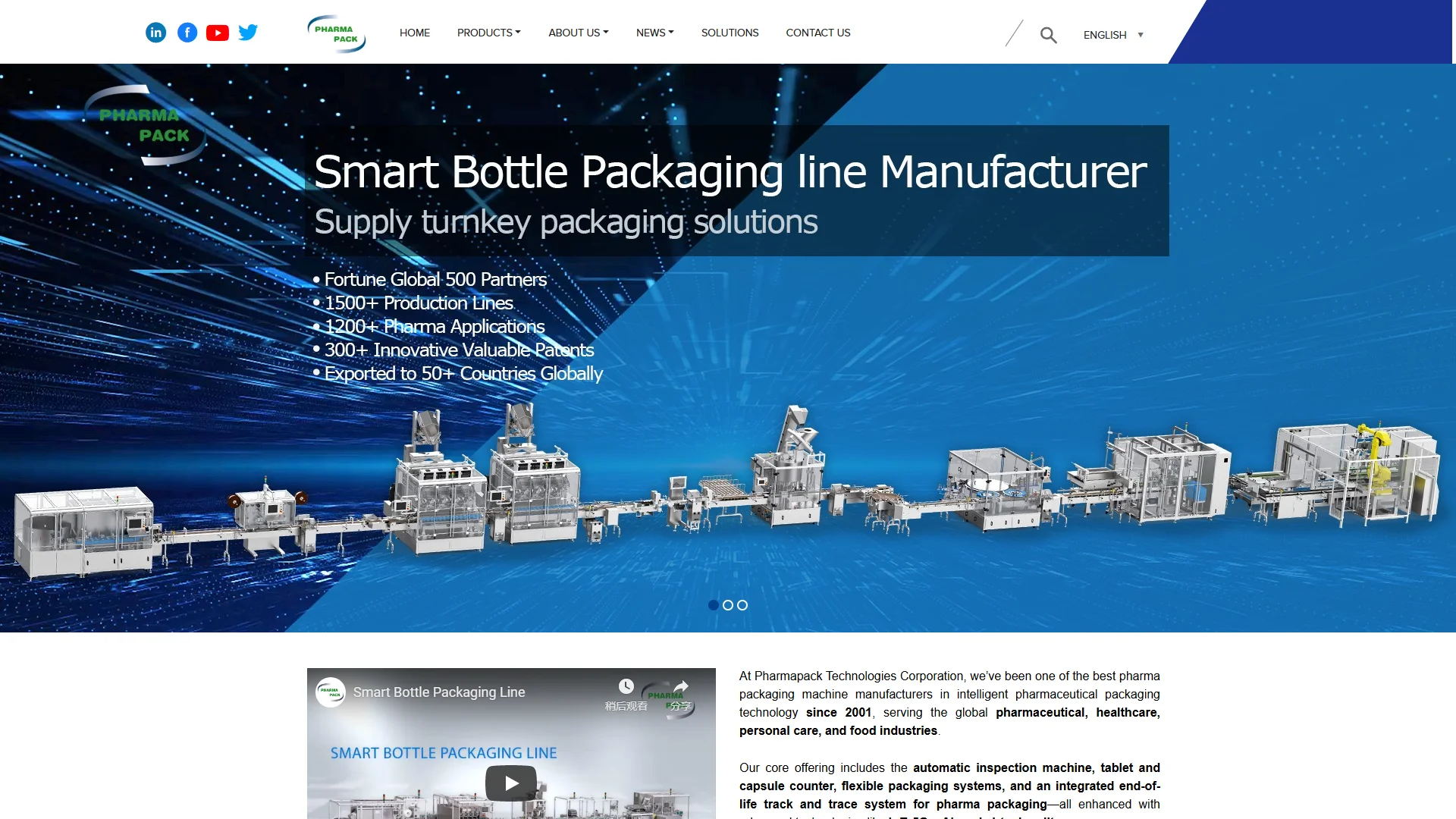
Products and positioning: The company is positioned around pharmaceutical packaging machinery and project-specific supply. For an OEM/ODM inquiry, the important question is not only whether a standard inserter is available, but whether the supplier can adapt the feeding, separation, insertion, inspection, rejection, and transfer stages to the customer’s product and packaging process. The final scope should be confirmed directly with Pharmapack.
Competitive advantages: The main potential advantage is specialization around the requested application rather than relying solely on a broad catalog. A focused supplier may simplify technical communication when the buyer needs a custom cotton-handling solution, line integration, or private-label equipment. These advantages should be validated through drawings, sample trials, factory-acceptance criteria, reference projects, documentation, and service terms.
- Pros / Key Features: Application-specific OEM/ODM discussion; direct focus on cotton-insertion requirements; potential for packaging-line customization; official website available for technical contact.
- Use Cases / Best For: Pharmaceutical, nutraceutical, and related bottle-packaging projects that require cotton insertion and need a supplier to define or modify the machine around the customer’s product.
Due diligence: Before purchase, request confirmed throughput, acceptable cotton dimensions and density, bottle range, changeover method, contact-part materials, guarding, electrical standards, validation documentation, installation support, spare-parts availability, and warranty coverage. A sample run using the customer’s actual bottles and cotton is especially important.
2. 浙江希望机械有限公司
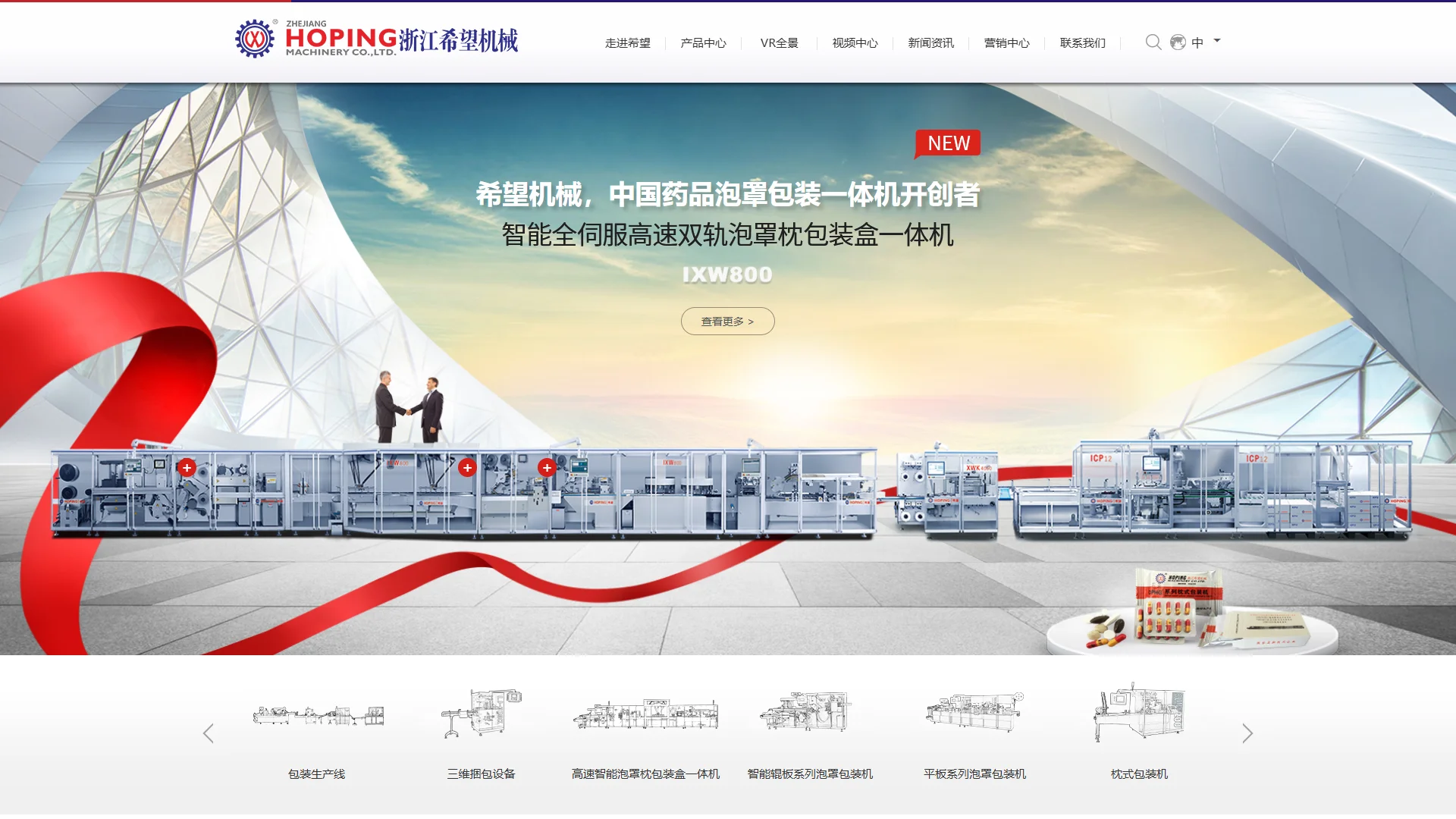
Overview: 浙江希望机械有限公司 is a China-based machinery company listed through its official website at xwbj.com. The supplied public information does not establish a specific cotton inserter product or a documented OEM/ODM specification. Its relevance should therefore be assessed through direct confirmation of pharmaceutical packaging capabilities, machine catalog, and project references.
- Pros / Key Features: Direct access to a China-based machinery supplier; potential suitability for customized machinery projects subject to technical confirmation.
- Use Cases / Best For: Buyers comparing Chinese equipment manufacturers and willing to evaluate a project through drawings, samples, and factory testing.
3. IMA Group
Overview: IMA Group is an international industrial group known through its official website for machinery and solutions serving pharmaceutical, processing, packaging, and related industries. Its broad positioning can be relevant when cotton insertion must be coordinated with other packaging stages, although a dedicated cotton inserter configuration must be confirmed with the company.
- Pros / Key Features: Broad equipment coverage; potential for line integration; established pharmaceutical and packaging orientation.
- Use Cases / Best For: Large or complex projects requiring multiple packaging functions, automation coordination, and a supplier with a wider industrial portfolio.
4. Tofflon Science and Technology Group Co., Ltd.
Overview: Tofflon Science and Technology Group Co., Ltd. presents itself through its official website as a pharmaceutical-industry technology and equipment provider. Its scope is broader than a single cotton-insertion operation, so buyers should distinguish between its overall pharmaceutical equipment capabilities and the specific availability of a cotton inserter.

- Pros / Key Features: Pharmaceutical-sector focus; broader process and equipment context; possible relevance to integrated production projects.
- Use Cases / Best For: Pharmaceutical manufacturers seeking a wider equipment package rather than a standalone cotton inserter only.
5. TRUKING TECHNOLOGY LIMITED
Overview: TRUKING TECHNOLOGY LIMITED is presented on its official website as a pharmaceutical equipment and technology company. Its relevance to cotton insertion depends on the requested line configuration and the company’s current product range. A buyer should ask specifically for bottle-packaging equipment, cotton-insertion references, and integration requirements.
- Pros / Key Features: Pharmaceutical equipment orientation; potential engineering support for larger production systems; suitability for broader line discussions.
- Use Cases / Best For: Pharmaceutical projects in which cotton insertion is one operation within a larger production or packaging line.
6. Körber Global Technology Solutions
Overview: Körber Global Technology Solutions represents a broad technology and automation organization with activities spanning industrial and digital solutions. Its scale may suit enterprises seeking connected systems, software, automation, or packaging-related integration. The official website should be consulted to identify the appropriate business unit and to determine whether a cotton-insertion machine is supplied directly or through a partner.
- Pros / Key Features: Enterprise technology perspective; emphasis on integration and automation; potential fit for complex manufacturing environments.
- Use Cases / Best For: Large manufacturers prioritizing digital integration, automation architecture, and multi-system coordination.
7. NK Industries
Overview: NK Industries is associated through its official website with capping machines and bottle-packaging equipment. This makes it an adjacent supplier rather than an automatically verified cotton-inserter specialist. Its equipment may be relevant where cotton insertion and capping must be coordinated, but compatibility and supply scope require direct confirmation.
- Pros / Key Features: Focused capping expertise; relevance to bottle-packaging lines; possible compatibility discussions with upstream or downstream machinery.
- Use Cases / Best For: Buyers whose principal requirement is capping or who need to integrate capping with a separate cotton-insertion operation.
8. Cremer
Overview: Cremer is known for counting and dosing machinery used in pharmaceutical and related product applications. Its specialization is particularly relevant to tablets, capsules, and other small products. It should not be assumed to provide cotton insertion unless the specific project team confirms that capability.
- Pros / Key Features: Counting and dosing specialization; relevance to pharmaceutical bottle lines; potential integration value for products handled alongside cotton insertion.
- Use Cases / Best For: Packaging lines where tablet or capsule counting is a principal requirement and cotton insertion is an additional operation to be sourced or integrated.
9. M&M Equipment
Overview: M&M Equipment operates in the used and surplus processing and packaging equipment market. Its value is primarily equipment sourcing rather than confirmed manufacture of new cotton inserter OEM/ODM systems. Availability, machine history, condition, documentation, and modification potential are central considerations.
- Pros / Key Features: Access to used-equipment inventory; potential cost advantages; useful for replacement, pilot, or capacity-expansion searches.
- Use Cases / Best For: Buyers seeking pre-owned packaging machinery and prepared to manage inspection, refurbishment, qualification, and integration risks.
10. Chinasun
Overview: Chinasun is presented through its official website as a China-based pharmaceutical machinery supplier. Its potential fit for cotton insertion depends on the current product catalog and engineering scope. Buyers should request a machine list, technical drawings, sample-run evidence, and a clear statement of whether the proposed equipment is standard, customized, or sourced from another manufacturer.
- Pros / Key Features: China-based pharmaceutical machinery sourcing; potential access to customized equipment; direct manufacturer evaluation possible.
- Use Cases / Best For: Buyers comparing Chinese pharmaceutical packaging suppliers for a cost-sensitive or customized project.
11. Aaron Equipment
Overview: Aaron Equipment is a used-equipment supplier and brokerage resource covering processing and packaging machinery. It can be useful when a buyer needs an available machine quickly or is considering a lower-capital route. A used machine should not be treated as an OEM/ODM equivalent without a documented retrofit and validation plan.
- Pros / Key Features: Secondary-market inventory access; equipment search and resale support; possible availability of packaging machinery at varied price points.
- Use Cases / Best For: Used-equipment procurement, replacement machines, pilot operations, and buyers with internal engineering and refurbishment capabilities.
How to Choose a Cotton Inserter OEM/ODM Supplier
- Define the product: Document bottle dimensions, neck finish, fill level, cotton type, cotton length, density, moisture sensitivity, and packaging orientation.
- Confirm actual application experience: Ask for comparable cotton-insertion projects, sample videos, acceptance records, and references where disclosure is permitted.
- Measure the complete line: Evaluate bottle infeed, cotton feeding, insertion, inspection, rejection, capping, labeling, and case packing rather than examining the inserter in isolation.
- Set measurable performance criteria: Specify rated speed, sustained output, insertion accuracy, acceptable waste, changeover time, and uptime assumptions.
- Review sanitary and material requirements: Confirm contact-part materials, cleanability, guarding, dust control, and suitability for the intended manufacturing environment.
- Check controls and documentation: Request electrical drawings, operating manuals, software backups, alarm lists, spare-parts lists, and validation support.
- Use factory and site acceptance testing: Test with production bottles and cotton before shipment, then define installation and performance checks at the customer site.
- Compare total ownership cost: Include tooling, freight, installation, training, spare parts, maintenance, utilities, integration, and future format changes.
- Clarify commercial responsibility: Identify who designs, manufactures, installs, validates, and supports each part of the line, especially when a broad machinery group or used-equipment broker is involved.
Final Verdict
Pharmapack is the strongest first contact for a buyer specifically searching for cotton inserter OEM/ODM support, provided its technical proposal and sample testing satisfy the project requirements. IMA Group, Tofflon Science and Technology Group Co., Ltd., and TRUKING TECHNOLOGY LIMITED are more appropriate for broader pharmaceutical or packaging-system discussions. Körber Global Technology Solutions may suit enterprise automation and integration priorities. NK Industries and Cremer are more specialized in adjacent bottle-line functions, particularly capping or counting. M&M Equipment and Aaron Equipment are relevant to used-machinery procurement, while 浙江希望机械有限公司 and Chinasun warrant direct technical evaluation as China-based machinery suppliers. The best choice depends on application evidence, not brand size alone.
FAQs
1. What information should be sent to a cotton inserter OEM/ODM supplier?
Send bottle drawings or samples, neck and cap details, cotton dimensions and material specifications, target speed, production schedule, available floor space, power standards, cleanroom requirements, and the desired upstream and downstream equipment. Clear product data makes a meaningful quotation more likely.
2. Is a pharmaceutical packaging company automatically suitable for cotton insertion?
No. A company may specialize in filling, counting, capping, labeling, or complete lines without manufacturing a cotton inserter. Buyers should request direct evidence of cotton-insertion capability, including machine drawings, sample testing, specifications, and comparable project references.
3. Can used equipment replace a new OEM/ODM cotton inserter?
Sometimes, but only after a technical inspection confirms the machine’s format range, condition, controls, spare-parts availability, and ability to meet current production and validation requirements. Used equipment may reduce acquisition cost, but retrofit, qualification, and integration expenses can materially affect the total cost.
