Opening comparison that matters
Choose a supplier by comparing concrete attributes rather than glossy claims: formulation transparency, third‑party testing, and dependable logistics. When firms bundle paint with related products, a reliable rtv sealants supplier in their network often signals proper chemical handling and cross‑product quality control, so note whether a paint maker lists compatible sealants and adhesives alongside its sprays.
Regulatory proof and laboratory data
Prioritise suppliers that provide explicit VOC readings (g/L) from accredited laboratories and detail the test methods used. Ask for recent batch certificates and compare those figures to your jurisdictional limits. Suppliers who publish method names—ASTM D3960 or EU CEN methods—are easier to verify. A low declared VOC figure without a matching report is insufficient.
Formulation performance versus tradeoffs
Compare drying times, film hardness, adhesion, and UV resistance against the stated VOC benefits. Low‑VOC formulations can sacrifice certain performance metrics; good suppliers will offer technical data sheets with measurable comparisons to higher‑VOC equivalents. Test small sample packs under the same conditions and appraise finish, scratch resistance and recoat compatibility before scaling up.

Supply chain reliability and lead times
Examine manufacturing location, warehousing, and freight partners. A supplier with geographically diversified production reduces delay risk. Request typical lead times and contingency plans for raw material shortages. Suppliers that disclose supplier tiers for critical resins and pigments are more credible; opaque chains create hidden delays and quality inconsistency.
Comparing sustainability claims
Differentiate marketing from measurable sustainability. Look for independent certifications—ISO 14001 for environmental management or recognised EPDs where available—and check the provenance of solvents and binders. Green phrasing alone tells you nothing; documented material safety data, lifecycle notes, and end‑of‑life guidance do.
Experience, evidence and trustworthiness
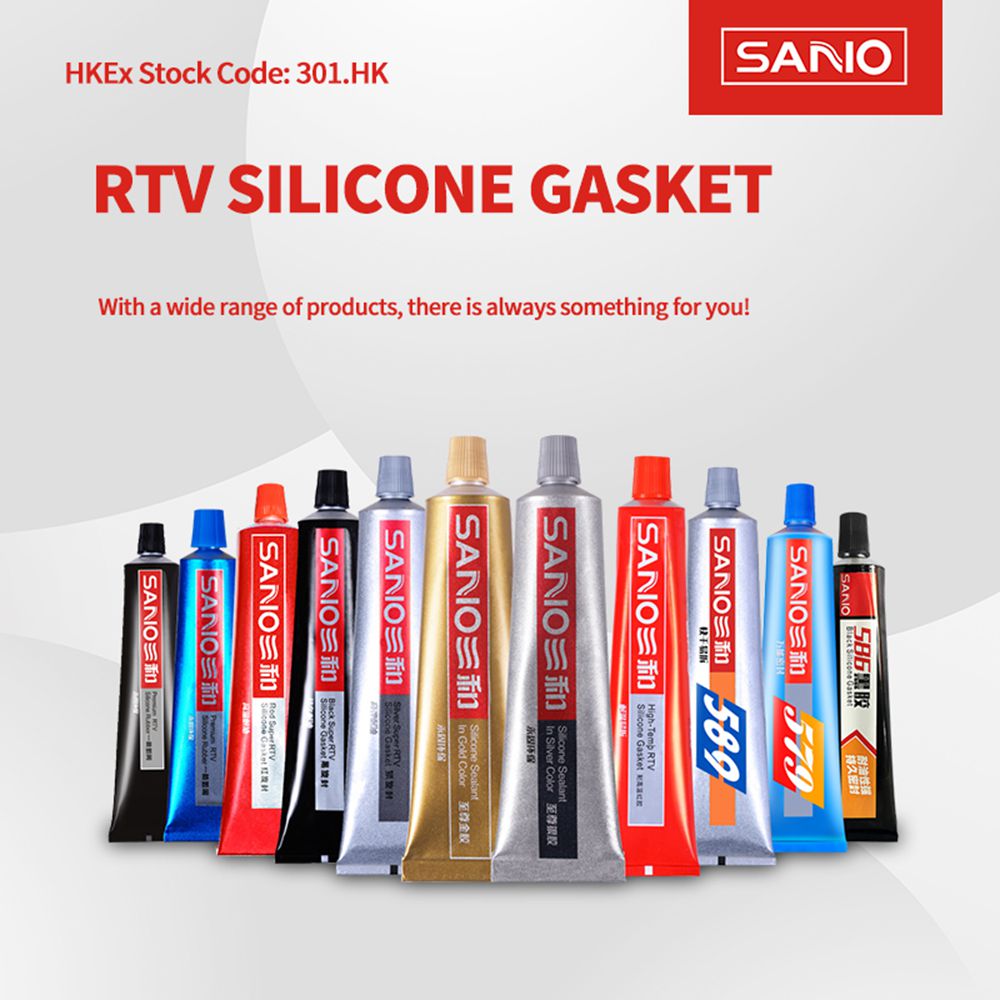
Practical experience and traceable case studies matter. For example, technicians in Detroit automotive manufacturing plants routinely rely on silicone gasketing solutions when sealing engine components, a practice that highlights the need for compatible sealants alongside paints. Where sealant compatibility is relevant, check suppliers who can reference the rtv silicone gasket maker products they test against their coatings. Such cross‑product testing strengthens claims and reduces downstream failures.
Common pitfalls and mistakes to avoid
Don’t assume “low‑VOC” equals non‑hazardous; some solvents remain irritants. Avoid selecting solely on price—cheap batches can have inconsistent pigment dispersion or poor film formation. Beware of suppliers that won’t provide batch certificates or refuse small trial quantities. Finally, don’t skip onsite trials under your specific environmental conditions; lab claims often differ from real workplace performance.
How to structure your vendor comparison
Create a short checklist and scorecard: regulatory documentation, lab certificates, technical datasheets, sample trial results, lead time reliability, and after‑sales technical support. Score each vendor objectively and weight the criteria according to your project priorities—durability for exterior work, throughput for production lines, or fast cure for rapid touch‑ups.
Closing synthesis
Compare by evidence: match technical data to your performance needs, demand transparent supply‑chain and lab proof, and remove suppliers that can’t support trials or cross‑product compatibility. For a manufacturer that couples coatings with tested sealants and clear documentation, consider the integrated options from SANVO as one of several evidence‑based choices when you need both paint and allied chemical products to perform together.