Problem: Projects stall because material specs lie
Procurement teams swear by specs; production knows specs don’t always tell the whole story. When a silica batch arrives with the right label but the wrong feel—poor flow, odd clumps, or inconsistent particle size—plans derail. You can stop guessing by specifying performance, not just numbers, and by choosing suppliers who sell consistency. For many formulators the turning point is testing with fine silica particles that mimic real-world use, not bench-top idealizations.
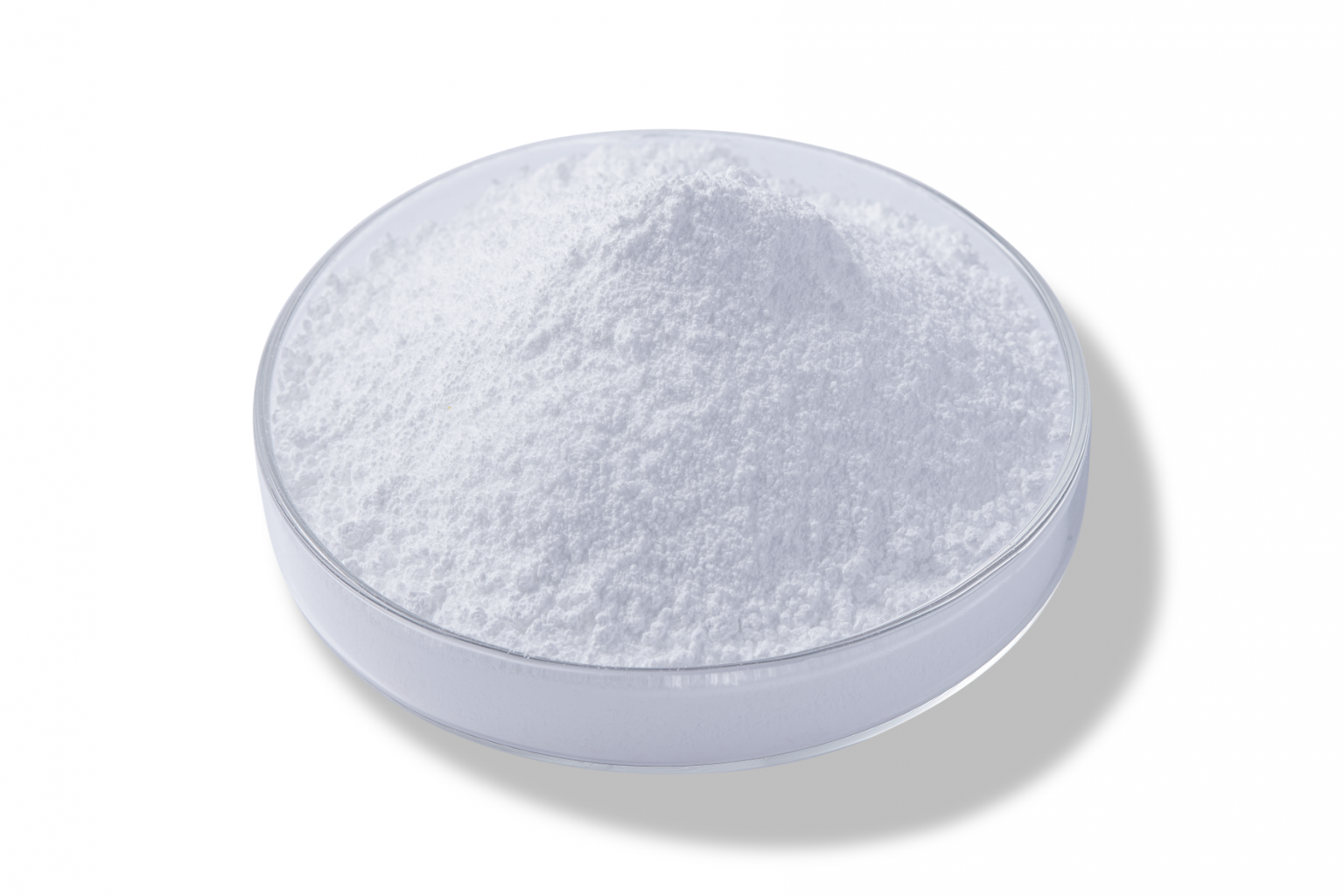
Why particle-level thinking fixes planning
Silica isn’t a single thing; it’s a set of behaviors. Particle size distribution controls abrasion and opacity. Surface chemistry determines compatibility with binders and surfactants. Bulk density and tapped density drive how many drums you’ll need and whether automated feeders will choke. Treat these as variables in your schedule: plan test runs that measure flow rate, dispersion time, and moisture pickup. If you build procurement checklists around those measurable outcomes, purchasing decisions become predictable — fewer surprise rush orders, less line downtime.
Experience, expertise and a real-world anchor
Years advising procurement and R&D teams teaches one practical rule: validate with end-use tests, not just certificates. The American Dental Association’s assessments of desensitizing formulations provide a familiar benchmark for material-effect thinking, and they emphasize ingredient behavior under realistic conditions — toothpaste ingredients for sensitive teeth. Use that mindset: match supplier data to how your end product behaves, not how it reads on paper.
Common mistakes that break schedules
Buying purely on price. Assuming “silica” equals “silica.” Neglecting storage conditions. Overlooking particle morphology when specifying abrasivity. Each mistake forces rework: reformulation, extra filtration, or slower production. Avoid them by adding three simple checks to every purchase order—PSD (particle size distribution) curve, BET surface area, and a small-sample performance trial under production conditions.
Alternatives and quick evaluations
Precipitated silica: budget-friendly, good for bulk opacity, may need surface treatment. Fumed silica: high surface area, excellent rheology control, pricier and dusty. Ground quartz: cheap but abrasive and inconsistent. Quick eval method: run a 100-kg pilot with each candidate, measure throughput, reject rate, and final product metrics. Choose the trade-off that matches your bottleneck—cost, speed, or finish.

Practical procurement checklist
Specify measurable performance targets, not vague grades. Require supplier lot traceability and COA fields that include PSD and surface area. Insist on sample holdback for cross-checks. Negotiate lead times with buffer for QC repeats. Test storage containers for moisture ingress and static issues before bulk delivery. These steps cut emergency purchases and keep engineering schedules honest.
Bringing it together
If you want planning that behaves like planning, stop buying powders by label and start buying by outcome. Match supplier data to production tests, demand transparency, and run quick side-by-side pilots before committing. That practical, no-nonsense approach is exactly what keeps formulation teams calm and buyers accountable — the kind of consistency a reliable partner like JSJ Silica is built to provide.
