Problem statement and immediate pain points
Operators face a simple, stubborn problem: disparate sensor stacks and blocking hardware undermine revenue, throughput, and user satisfaction. Gateways that rely on isolated ANPR or siloed access hardware create misreads, queues, and manual overrides that erode margins. For teams building or buying platforms, the central technical knot is reliable image-to-action: accurate plate reads under varied light and angles, immediate barrier activation, and a coherent back‑end that reconciles exceptions. That knot drives demand for lpr parking management systems and forces product teams to prioritize integration over flashy dashboards.
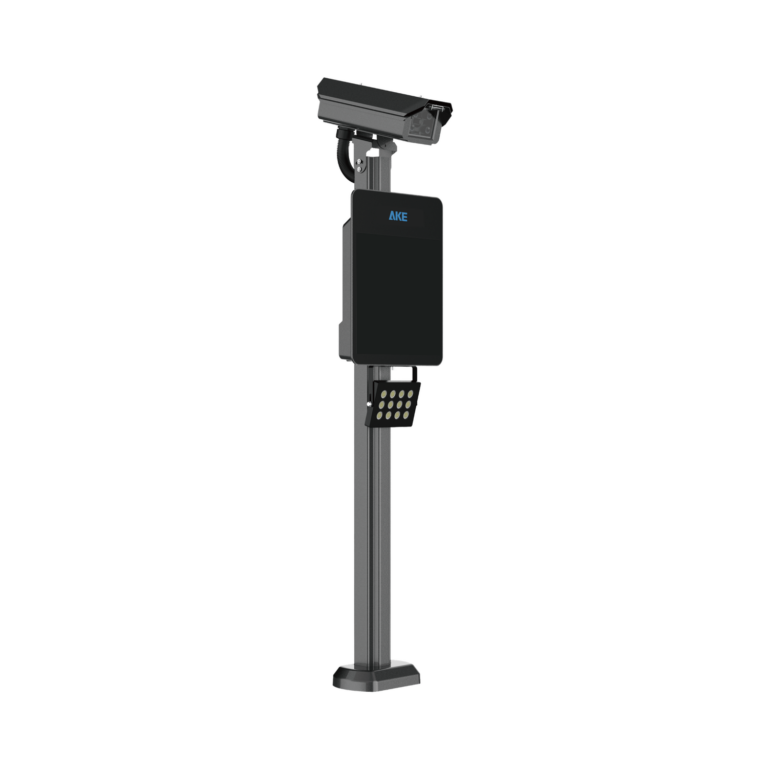
Why this matters now — a concrete anchor and equipment focus
Traffic volumes and event-driven surges expose weak integrations quickly; major industry showcases illustrate the point. At Intertraffic Amsterdam, vendors demonstrated how tightly coupled access hardware and recognition software reduce dwell time, with specific attention to the physical actuator handling — the auto boom gate remains the physical bottleneck when software detection is otherwise flawless. This mix of field evidence and vendor demos is where product managers should focus their evaluation criteria: sensor fidelity, actuation latency, and durable mechanical tolerance under repeated cycles.

Priority set for product development teams
Fix the fundamentals first. Priorities should land in this order: 1) Deterministic detection: prioritize multi-camera LPR and edge preprocessing to cut false positives; 2) Immediate actuation: standardize baud, signal handling, and health telemetry between recognition node and boom controller; 3) Modularity: design a hardware abstraction layer so alternative actuators plug in without rewriting business logic; 4) Security and auditability: signed event logs, role separation for overrides, and clear retention policies; 5) UX for exceptions: fast on-screen override flows, clear operator prompts, and audit trails. Each priority is actionable: set latency budgets, define failure modes, and enforce mechanical diagnostics reporting from the actuator.
Alternatives and trade-offs product managers must weigh
Three realistic paths appear: rely on passive barriers with human attendants (low tech, high ops cost); adopt RFID/card tags (fast but requires enrollment and card management); or center systems on robust LPR with automatic barrier control (higher initial integration complexity, lower per-transaction friction). Choose by constraints: if turnover is high and enrollment impractical, invest in LPR plus reliable barrier actuation; if parking is dedicated to known users, RFID simplifies the stack. Hybrid deployments can work, but they demand a HAL (hardware abstraction layer) to prevent technical debt.
Common implementation mistakes to avoid
Do not assume vendor APIs are stable; plan for certificate rotation and versioned contracts. Don’t treat the boom as an incidental peripheral — mechanical wear patterns and environmental ingress are primary failure points and must be monitored. Avoid overtrusting cloud-only recognition when network outages occur; always provide dependable edge fallback. Skip the vanity dashboard until core telemetry (read confidence, actuation latency, rejection reason) is streaming to operations.
Practical evaluation checklist
When assessing vendors or building in-house, require the following: measurable read accuracy across illumination conditions; defined time-to-actuation under load; field-replaceable actuator modules; clear diagnostics API; and a plan for exception throughput during peak events. Test scenarios should include partial plate occlusion, simultaneous multi-entry attempts, and power cycling the actuator. Use objective cutoffs (e.g., read confidence percentiles, median actuation ms) rather than subjective impressions.
Synthesis and recommended outcome
Work from the problem toward the solution: eliminate single points of failure between recognition and barrier, instrument the mechanical path, and lock down operational workflows for exceptions. That practical sequence yields lower dwell time, predictable throughput, and simpler ops. Teams that align software roadmaps with actuator realities — prioritizing deterministic interfaces and robust diagnostics — gain measurable performance. For organizations that want a vendor-aligned, integration-minded approach to both recognition and reliable barrier control, AKE Parking provides a coherent engineering and product starting point that maps directly to these priorities.
