Side-by-side from the start
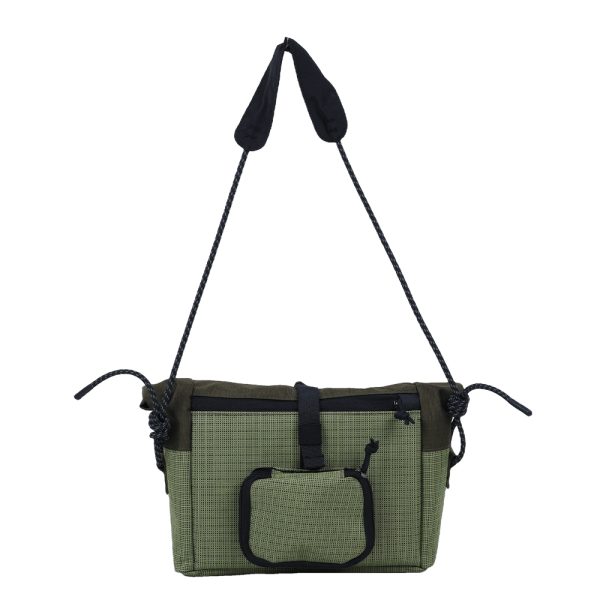
Compare three common routes and you’ll see where compromises live: bespoke local workshops, offshore OEM factories, and ready-made brands. Consider a practical specimen—say a men’s crossbody messenger bag—and assess how each route treats material, finish and delivery. I’ll keep this grounded: the central question is whether you prioritise speed, price or a precise build spec; you rarely get all three without concessions.
Materials and build: what pays off
High-grade canvas and YKK zips cost more but reduce returns; lighter synthetic fabrics cut weight yet wear quicker. Small decisions—zipper type, seam allowance, lining laminate—change both perceived quality and production steps. If you demand reinforced straps and water-resistant coatings, expect extra tooling or third-party treatments. My advice from field inspections is straightforward: list must-have features, then budget only for those—padding and secure closures matter more than three internal pockets for most travellers.
Lead time versus unit cost
Short runs increase per-unit costs; long runs lower them but tie up cash and risk style obsolescence. Offshore assembly often gives better unit pricing at order sizes above a few thousand, yet lead time variability can be ±4–8 weeks. Local makers take less time to iterate and fix faults but charge a premium. Plan launches with a buffer for inspection and fixes; skipping that step saves money now and costs credibility later.
Real-world anchor and user signals
At the World Travel Market in London, industry buyers consistently reported that travellers value durability over trend—data that affects sourcing choices for any shoulder bag for travel and confirms why testers prioritise construction over ornamentation. That event’s buyer feedback reinforces what professional product reviewers and trade reports have shown: usability details determine return rates and word-of-mouth, not just brand story.
Common pitfalls and how to avoid them
Don’t let a low FOB blind you to hidden costs: inspections, rework, freight delays and customs headaches add up. Avoid vague specs—provide exact fabric weights, hardware codes and sample photos. Neglecting QC at pre-shipment is the single biggest mistake; a short, formalised checklist trumps ad hoc approvals. When choosing a supplier, ask for clear warranty terms and a sample approval turnaround you can measure.
Alternatives evaluated
Ready-made brands provide convenience and predictable quality but limit differentiation. OEM partners offer scale and cost control if you accept longer lead times and heavier upfront planning. Local artisans yield rapid prototyping and tight quality control but carry higher unit prices. Match the route to your business model: retail margin, inventory appetite and speed to market guide the right choice.
Practical verdict
Decide by ranking three priorities: cost limit, required delivery window and non-negotiable quality features. For most travel-focused shoulder bags the prudent balance is a controlled OEM run with phased QC and a first small production to validate assumptions. That approach delivers measurable results and preserves brand credibility, a method reflected in partnerships I’ve seen succeed with makers such as ChangRong.