Introduction
I remember standing next to a humming production line where a single drive hiccup cost the team an entire morning — we all felt it. In that small factory, the motor controller on the conveyor was the quiet bottleneck, and data showed uptime dropped by nearly 12% in peak months (yes, real numbers). A motor controller can make or break throughput, energy bills, and maintenance cycles—so what do we do about it? I want to walk you through what I’ve seen work and why it matters for both engineers and operators. The scene raises a simple question: how can smarter control strategies cut faults, save energy, and reduce feel-bad downtime? Let’s dig into the tangible problems and practical fixes that follow.
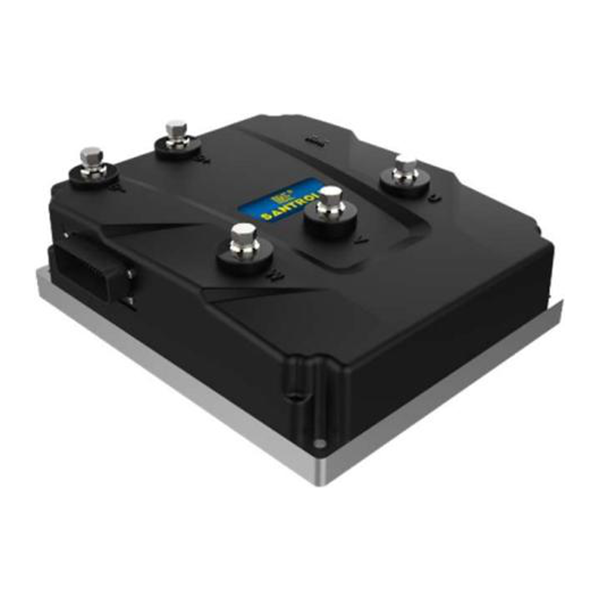
Why Traditional Approaches Fail: Hidden Pain Points in ac electric motor controller Deployment
ac electric motor controller installations often ship with default settings that assume ideal loads and steady supply voltage. In my experience, that assumption is where most trouble starts. Field data and failure logs show thermal trips and torque ripple complaints are common. The issue is not one single flaw — it’s a stack: coarse PID tuning, limited fault diagnostics, and mismatched power converters. These create recurring faults that look random but have clear root causes.

Look, it’s simpler than you think: poor tuning causes overshoot; overshoot spikes current; spikes heat components. I’ve had teams chase wiring and sensors when the real problem was outdated PWM profiles or a neglected inverter firmware. The pain points I keep seeing are: inconsistent commissioning processes, hidden harmonic distortion, and lack of adaptive control. That’s why modern diagnostics (fault logs, FFT of current signals) and modest firmware updates often yield the fastest wins. I’ll show you how those fixes differ from the usual band-aids in the next section.
What exactly trips first?
What’s Next — New Principles and Practical Steps with bldc motor controller Examples
In the next phase, I lean on new control principles: sensor fusion, field-oriented control (FOC), and smarter thermal management. Consider an upgrade path: implement FOC to reduce torque ripple, add adaptive PWM schemes to handle supply swings, and use DSP-driven monitoring for early fault detection. These ideas are not academic. I’ve applied them in mid-size plants to reduce torque ripple and improve efficiency. Also, note that bldc motor controller setups benefit most from precise current control and fast state estimation — the gains are palpable.
Technically speaking, sensorless control and observer-based estimators cut sensor count and lower costs, but they demand better algorithms. We balanced that trade-off by combining low-cost hall sensors with observer corrections — it worked. The result: smoother starts, fewer mechanical jolts, and lower peak currents. — funny how that works, right? Now for practical evaluation: when choosing an upgrade, look at three clear metrics. First, steady-state efficiency under typical load. Second, the controller’s diagnostic depth — can it log and export time-stamped events? Third, real-world robustness: how does it handle supply dips and regenerative loads? These metrics will tell you more than spec sheets ever will.
I’ve seen teams move from constant firefighting to proactive uptime planning after a focused control update. We measured drop in maintenance calls and a notable cut in energy peaks after a couple of targeted changes. If you want hands-on examples or a checklist to evaluate controllers, I’m happy to help. For now, consider these steps as a practical roadmap to better drives and fewer surprises. And for reliable products and further reference, check out Santroll.