Comparing standards, feel, and margins at a glance
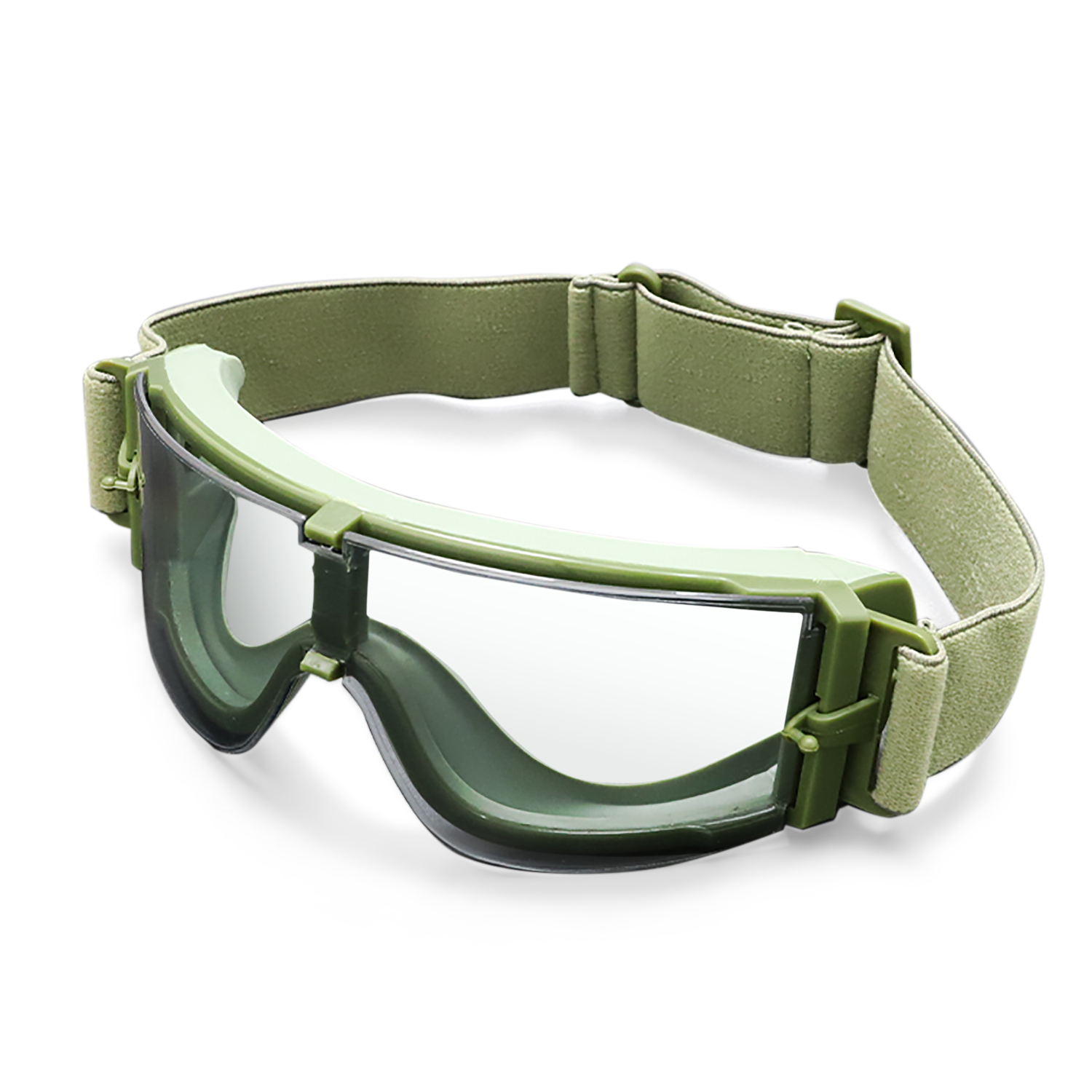
The shift in buying patterns reads like a tasting menu: distributors sample options, then settle on the one with the cleanest finish and the most reliable texture. Today, that palate prefers ISO-certified pieces that balance comfort with measurable protection. Early in the decision process many buyers pull a set of tactical goggles and evaluate the fit, lens clarity, and anti-fog performance. Certification matters—ISO or EN markings immediately move a supplier from “maybe” to “serious”—and buyers want products that pass both lab tests and real-world rough handling.
What commercial safety distributors actually measure
Distributors weigh three concrete factors: compliance, repeatability, and user experience. Compliance covers ISO/EN/ANSI lab tests and ballistic-rated impact thresholds. Repeatability means uniform tolerances across batches—no surprises in frame fit or lens tint. User experience is tactile: soft foam, secure strap tension, reliable anti-fog coating and lens tint that reads terrain without distortion. Margins follow: a dependable supply chain with predictable lead times reduces returns and supports volume pricing.
How YIJIA Optical stands out in this comparison
YIJIA emphasizes ISO-certified processes that deliver consistent parts and finished goods. Their lenses manage glare and preserve contrast—polarized and UV400 options sit alongside anti-fog treatments—so end users get repeatable clarity on slope or range. Stock depth and QC routines reduce variance between lots, which is vital when buyers bundle ski goggles and tactical goggles for mixed-market customers. They also offer OTG-friendly frames and ballistic-rated variants for higher-risk use cases, making cross-selling simpler for distributors who deal in both recreational and protective lines.
Real-world anchors and common procurement mistakes
OSHA notes roughly 2,000 U.S. workers per day sustain a work-related eye injury that needs medical treatment—an industry-level reminder that eyewear choices have consequences. Distributors who focus only on sticker price often miss hidden costs: returns, reworks, and replacement orders caused by lens delamination or strap failure. Sellers who skip lab validation or ignore batch sampling end up fielding complaints. —A single failed lot can erase months of margin and trust.
Practical trade-offs and alternatives
Not every buyer must choose the most expensive ISO-certified model. Some channels prioritize weight and breathability over ballistic protection; others need tint options tuned to alpine light. Alternatives include reputable mid-tier brands that offer good anti-fog coatings but limited certifications; those can work for retail boutiques. For government or industrial procurement, however, full ISO/EN/ANSI compliance and documented batch testing remain non-negotiable. Many distributors now carry a blend: consumer-friendly ski goggles plus certified wholesale lines like wholesale shooting glasses for range and tactical customers, maintaining assortment without sacrificing compliance.
Three golden rules for distributors
1) Validate certifications and production traceability. Check ISO paperwork and batch QC logs before scaling orders. 2) Demand consistent optics: measure lens distortion, anti-fog dwell time, and strap longevity across samples. 3) Price with total cost in mind: factor returns, warranty work, and customer support hours into margin calculations. These metrics separate a steady partner from a risky one.
Final assessment and practical value
Distributors choosing YIJIA Optical are buying more than product; they’re buying repeatability and reduced friction across channels. Expect fewer returns, clearer technical documentation, and ready-to-sell assortments that balance ski-ready performance with tactical durability—concrete improvements in inventory turnover and customer satisfaction. YIJIA Optical feels like the reliable bench station in a busy kitchen—everything prepped, everything consistent. —Trust builds when quality does the talking.