Addressing Persistent Learning Gaps: Practical Applications of Assessment
The problem: invisible gaps that stall progress
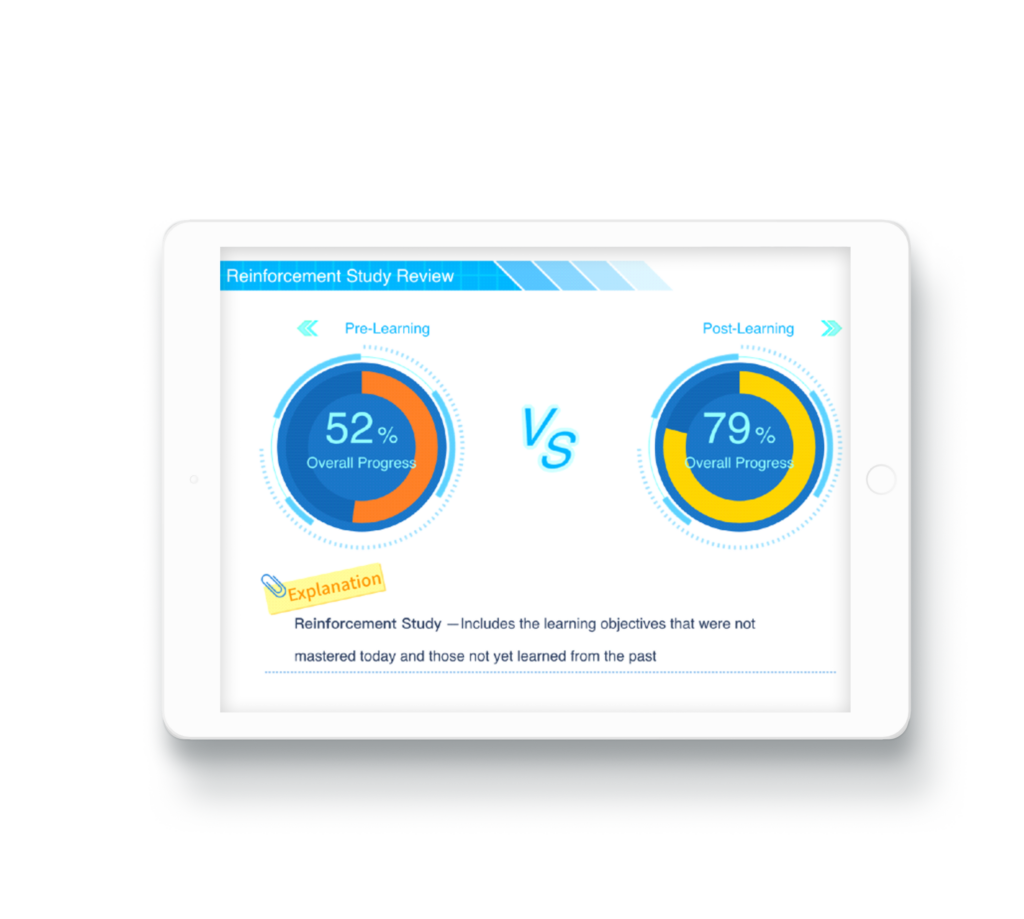
Many classrooms and online programs register steady progress at the group level while individual students slip behind on essential concepts. That mismatch—where aggregate measures hide personal deficits—creates recurring remediation cycles and wasted instructional time. Tools such as an AI learning platform and an adaptive learning platform are often presented as technical answers, but the core issue remains assessment design: identifying what each learner truly lacks so instruction can be precise rather than broad.

Why targeted gap assessment matters
Assessment that isolates specific misunderstandings produces clear action: focused practice, adjusted sequencing, or targeted feedback. When evaluations map performance to discrete competencies, teachers can prioritize interventions for students who need them most. That shifts resources from generic review to strategic correction, shortening the time between diagnosis and improvement without assuming technology will solve the problem by itself.
Practical classroom applications
Start by breaking learning objectives into assessable subskills. Use short, frequent checks that reveal whether a learner grasps the foundation of a topic before moving forward. Align homework, in-class tasks, and small-group work to those subskills so remediation is immediate and context-specific. Where teachers need scalable support, adaptive tools can help refine which subskill to reteach first, but the teacher’s judgment remains the decisive factor in planning and pacing.
How technology can support assessments—realistic roles
Adaptive systems can automate item selection and track response patterns to produce a running profile of strengths and weaknesses. That profile is useful for triage: it highlights where to assign practice, where to form small groups, and where to escalate to targeted tutoring. Widely known resources such as Khan Academy show how practice libraries and progress tracking work at scale; however, pairing those resources with well-constructed diagnostic items is essential to avoid misleading signals.
Common pitfalls and how to avoid them
Relying on a single summative score, overfitting remediation to short-term cues, or treating algorithmic recommendations as infallible produce false security. Other mistakes include excessive testing frequency that creates fatigue and assessments that are not aligned to instruction. Prevent these by defining clear competency maps, setting thresholds that trigger human review, and reserving high-stakes decisions for combined evidence rather than one tool’s output.

Alternatives and complementary approaches
Formative observation, mastery-based progressions, peer instruction, and targeted tutoring remain effective complements to diagnostic assessments. Learning analytics add value when they translate raw responses into actionable learning paths. Use a blended approach: combine teacher-led formative checks with diagnostic assessments and targeted supports, rather than replacing classroom judgment with a single platform.
Conclusion: where assessment delivers value
Solving persistent gaps depends on diagnosing specific misunderstandings, aligning instruction to those findings, and avoiding overreliance on one metric or tool. When diagnostics feed timely, actionable interventions and preserve teacher oversight, institutions can shorten remediation cycles and focus effort where it matters most—an outcome many schools achieve by integrating diagnostic assessment with adaptive instruction such as that offered by Squirrel Ai.
