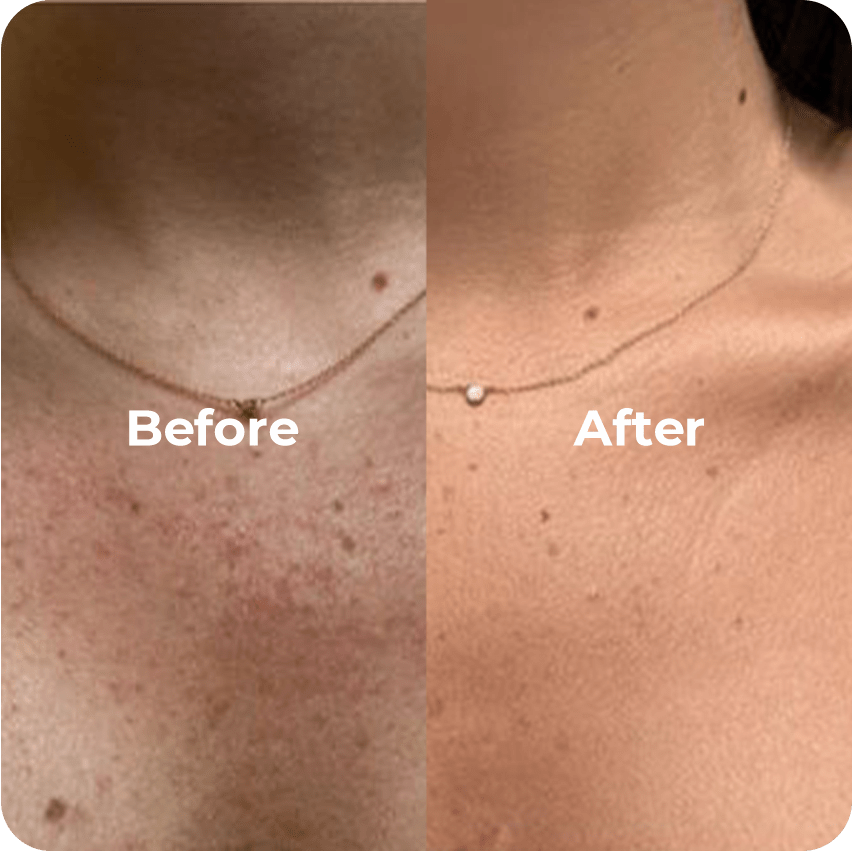
Opening: why we need to bust myths first
Now listen — folks hear all kinds of promises about clearing dark spots overnight, and that’s where confusion takes root. This here piece aims to cut through the tall tales about pigmentation removal treatment and give you plain talk on what lasers really do, who they help, and where folks commonly stumble. The tone’s straight-shootin’ because decisions about your skin deserve clarity, not fluff.
Common myths and the real deal
Myth: “One session and my spots’ll be gone.” Truth: most pigment issues need a series of treatments spaced weeks apart. Myth: “Lasers burn pigment away like paint.” Truth: lasers target melanin or the tissue architecture beneath the spot — that’s why terms like Q-switched laser and fractional laser come up in the clinic. Myth: “Any laser’s fine for all skin types.” Not so — darker skin tones risk post-inflammatory hyperpigmentation (PIH) if the wrong settings are used. Trusted sources such as the Mayo Clinic describe laser therapy as one of several options for hyperpigmentation, but they also emphasize tailored approaches per patient.
How different laser technologies work — short and local
Lasers aren’t magic; they’re tools with different wavelengths and pulse patterns. Q-switched lasers deliver high-energy, short pulses to fragment pigment granules. Fractional lasers create microscopic columns of injury to stimulate remodeling and pigment dispersion. Ablative devices remove superficial tissue layers while non-ablative ones coax repair without full resurfacing. Knowing which device suits your condition helps avoid mismatched expectations — and that’s exactly why a provider’s tech knowledge matters.
Who’s a good candidate — and who should wait
Generally, people with isolated sunspots or discrete post-inflammatory marks do well. Melasma and widespread hormonal pigmentation are trickier and sometimes worsen with the wrong laser. If you’ve got recent tanning, active acne, or a tendency toward keloids, you’ll want a dermatologist’s sign-off first. The FDA regulates medical lasers and recommends evaluation by qualified professionals — that regulatory oversight exists to protect patients, not to slow good treatments.
Common mistakes patients and clinics make — and how to dodge ’em
The big slip-ups usually involve timing, expectation, and aftercare. Folks rush into treatments without patch testing for their Fitzpatrick skin type; clinics skip conservative test spots to save time; post-procedure sun exposure is underestimated — and sun’s the surest way to undo results. Be wary of single-session guarantees and insist on documented protocols for cooling, topical adjuncts, and SPF. Also, make sure your practitioner discusses downtime and potential PIH up front — transparency prevents regret. —
Comparing alternatives: lasers, peels, and topical strategies
Lasers are powerful but not the only path. Chemical peels, prescription hydroquinone or retinoids, and microneedling can be effective alone or combined with laser sessions. For delicate cases like melasma, providers often layer treatments: topical stabilization first, then conservative laser work. If you want an organized option list, check professional pages describing pigmentation remove treatment approaches — they often show how clinics sequence therapies for safety and effect.
Three golden rules for choosing the right treatment
1) Match the tool to the target: ensure the chosen laser wavelength and pulse type are appropriate for the pigment depth and your skin type. 2) Demand conservative test spots and documented protocols: this reduces the risk of PIH and sets clear expectations. 3) Value follow-up and sun discipline: measurable improvement usually needs multiple sessions plus strict photoprotection.
When you stitch those rules together, you get safer, more predictable outcomes — the kind of results clinics in Austin or elsewhere that follow best practices strive for. And if you’re weighing providers, remember that practical experience and measurable track records matter far more than glossy before-and-afters. ENZOEYS sits squarely in that practical space, offering sensible sequencing and patient-centered protocols — a fit that just makes sense for steady, real-world improvement. —