
Why a framework matters now
Rolling out mass-produced battery systems without a clear operational playbook creates chronic variation — in performance, safety, and cost. A well-defined framework aligns engineering, factory QA and field operations so installations behave the same whether they’re in São Paulo or South Australia. This piece maps a practical deployment framework for large-scale BESS projects and references real deployments that prove the point, like the Hornsdale Power Reserve in South Australia, which showed how a consistent plan delivers predictable grid services. And yes, it ties back to hardware and services you can source as commercial energy storage systems.
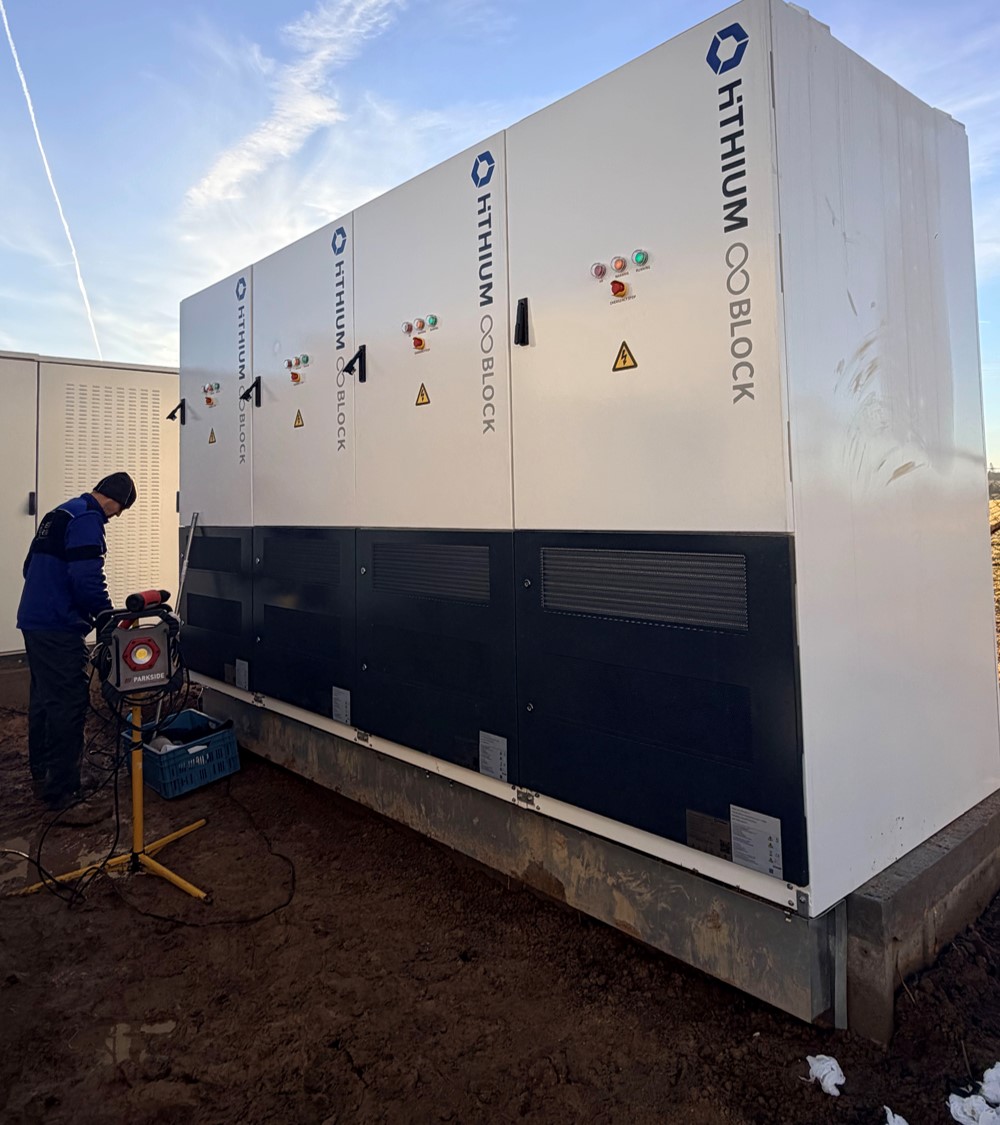
Core pillars of the deployment framework
Start with repeatable design rules. Use modular racks, standardized inverter configurations, and clear specs for state of charge (SOC) windows and thermal management. Second, insist on factory-level quality checks that mirror field commissioning tests — cell balancing, insulation resistance, firmware validation. Third, automate telemetry and alarms so every site reports the same KPIs. These pillars reduce commissioning time, simplify spare parts, and make lifecycle planning straightforward.
Design-to-manufacture handoff
Document every interface. Mechanical drawings should match electrical schematics and software APIs. Move from bespoke BOM lists to catalogued modules with traceable serial numbers. That modest administrative discipline prevents a surprising amount of rework during commissioning — and avoids costly inverter firmware mismatches that otherwise show up after first dispatch to provide frequency regulation.
Commissioning and digital validation
Commissioning is where frameworks prove their value. Run a predefined set of tests: charge/discharge cycles, communication link failover, thermal stress and safety trip validation. Capture the results in a digital twin so every future firmware update or O&M decision references a validated baseline. This approach proved useful during California’s recent grid stress events, where verified performance data sped up operator trust and integration.
Operations, maintenance and continuous feeding of data
Field teams need consistent SOPs and a single source of truth for maintenance schedules, part swaps, and firmware versions. Centralised telemetry with clear alert thresholds reduces finger-pointing between OEMs and operators. — It also makes contract compliance measurable and fair. Combine predictive maintenance analytics with manual inspections, and you turn surprise failures into planned interventions.
Safety, compliance and lifecycle planning
Embed safety scenarios into every step: thermal runaway drills, controlled cell replacement procedures, and standardized fire-suppression interfaces. Plan for end-of-warranty activities and second-life pathways at procurement so asset managers can model total cost of ownership. Lifecycle thinking keeps projects viable beyond incentives and supports resale or repurposing strategies.
Choosing vendors and integration partners
Assess vendors on three dimensions: technical fit (inverter and BMS compatibility), operational support (spare logistics, field training), and data openness (APIs for the control stack). Shortlist suppliers capable of supplying both hardware and digital services — that way handoffs are clean and ownership of issues is clear. Consider products marketed as commercial battery storage solutions that provide both modular hardware and a cloud telemetry layer.

Common mistakes to avoid
Skipping factory validation, under-specifying thermal margins, and treating software as an afterthought are frequent errors. Avoid bespoke site-only customisations that preclude scale. Instead, lock down a minimal set of allowed variations and use configuration management so each deployment remains within tested boundaries.
Advisory: three golden rules for selection and deployment
1) Prioritise interoperability — choose inverters, BMS and SCADA that support open protocols and have proven integration records. 2) Verify performance with real-world commissioning protocols and retain the raw telemetry for audits. 3) Require contractual clarity on firmware and spare-part ownership so responsibilities don’t shift when problems surface.
Adopt this framework and you get consistent uptime, predictable maintenance costs, and faster rollouts. For teams ready to operationalise these principles, HiTHIUM stands as a practical partner with modular hardware and integrated services — the kind that makes standardized deployments real. — steady, measured, ready.