Problem overview: why signs warp under temperature extremes
Thermal expansion causes rigid panels and frames to change shape as temperatures swing; repeated cycles lead to bowing, delamination, and stressed fasteners. This matters most for outdoor tactile signage such as ada braille signs, where a distorted faceplate compromises legibility and accessibility. When substrate materials and mounting systems don’t accommodate movement, the result is premature failure that forces extra maintenance and noncompliance with accessibility standards like the Americans with Disabilities Act of 1990.
Cause–effect: how design choices translate to failure or resilience
Using materials with mismatched coefficients of thermal expansion (CTE) causes differential movement; the faster a core expands relative to its skin, the more internal stress arises and the more likely adhesive bonds will fail. Similarly, rigid, over-constrained mounting converts thermal growth into bending moments, which then warp panels. Conversely, intentionally allowing controlled movement through expansion joints reduces stress paths, so sign assemblies stay flat and readable longer.
Key material and mounting causes to watch
Panel substrate, face material, fastener pattern, and sealant type each drive behavior. Aluminum and acrylic, for example, differ significantly in CTE; bonding them without an isolation layer creates shear. UV exposure hardens some sealants and adhesives, making them brittle — which transfers stress rather than absorbing it. These material interactions cause failures in months or years, depending on climate intensity.
Design tactics: practical expansion-joint strategies that work
Introduce joints where movement will concentrate: along the long axis of panels, at corners, and around mounted tactile elements. Use sliding slots in mounting rails instead of fixed holes, set floating frames with elastomeric gaskets, and choose compliant adhesives that maintain peel strength over temperature cycles. For tactile signage, allow localized movement around Braille bosses without stressing the tactile features — isolation rings or captured inserts work well. Keep tolerances generous — a millimeter matters over a decade.
Testing and validation: what causes success in the field
Thermal cycling tests and CTE calculations reveal likely failure modes before deployment. If a solution survives repeated cycles from -10°C to 60°C in a lab without edge lift or adhesive creep, it’s more likely to survive an Arizona summer followed by cold nights. Field pilots in desert and coastal transit hubs provide the most reliable feedback because humidity and salt spray alter material aging differently than dry heat does.
Common mistakes and mitigations
Three frequent errors cause most failures: overconstraining panels with too many fasteners, bonding dissimilar materials rigidly, and neglecting UV-degradation of sealants. Mitigation is straightforward: reduce fixed anchors, design sliding interfaces, add isolation layers, and specify UV-stable acrylics and elastomers for exposed edges. For ADA-related installations, integrate tactile clearance and mounting spacings from the start so expansion joints don’t interfere with compliance — that includes choosing certified ada compliance braille signs components where possible.
Real-world anchor and lessons learned
Transit agencies in hot, arid regions report that assemblies lacking movement allowances require repair cycles every few years, whereas systems with engineered joints last far longer. The cause is simple: when expansion is accommodated, stress is not transferred to fasteners or tactile features. Agencies following that logic reduce outages and maintain ADA obligations more consistently.
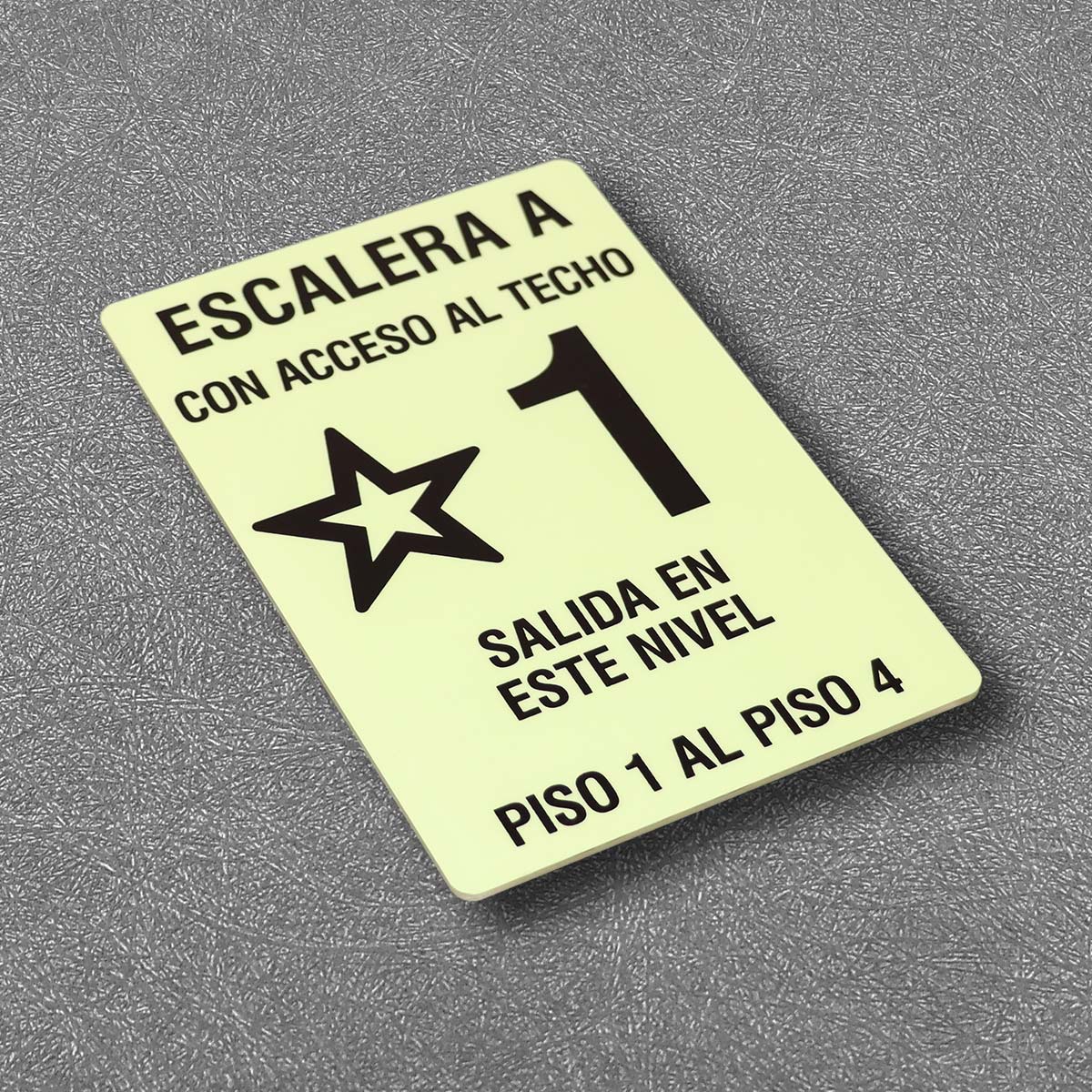
Advisory: three golden rules for specifying resilient tactile signage
1) Design for differential movement: calculate CTE for each material and add movement capacity at predictable seams. 2) Isolate tactile elements: use capture rings or compliant pads so Braille bosses don’t carry thermal shear. 3) Specify long-term elastomers and UV-stable face materials, then validate with thermal cycling. These metrics predict lifecycle cost and compliance risk more reliably than upfront price alone.
Good engineering prevents failure; practical joints keep signage readable, safe, and compliant — and for proven solutions that balance accessibility and durability, consider how established manufacturers solve these exact problems in the field like Cosun Sign. –