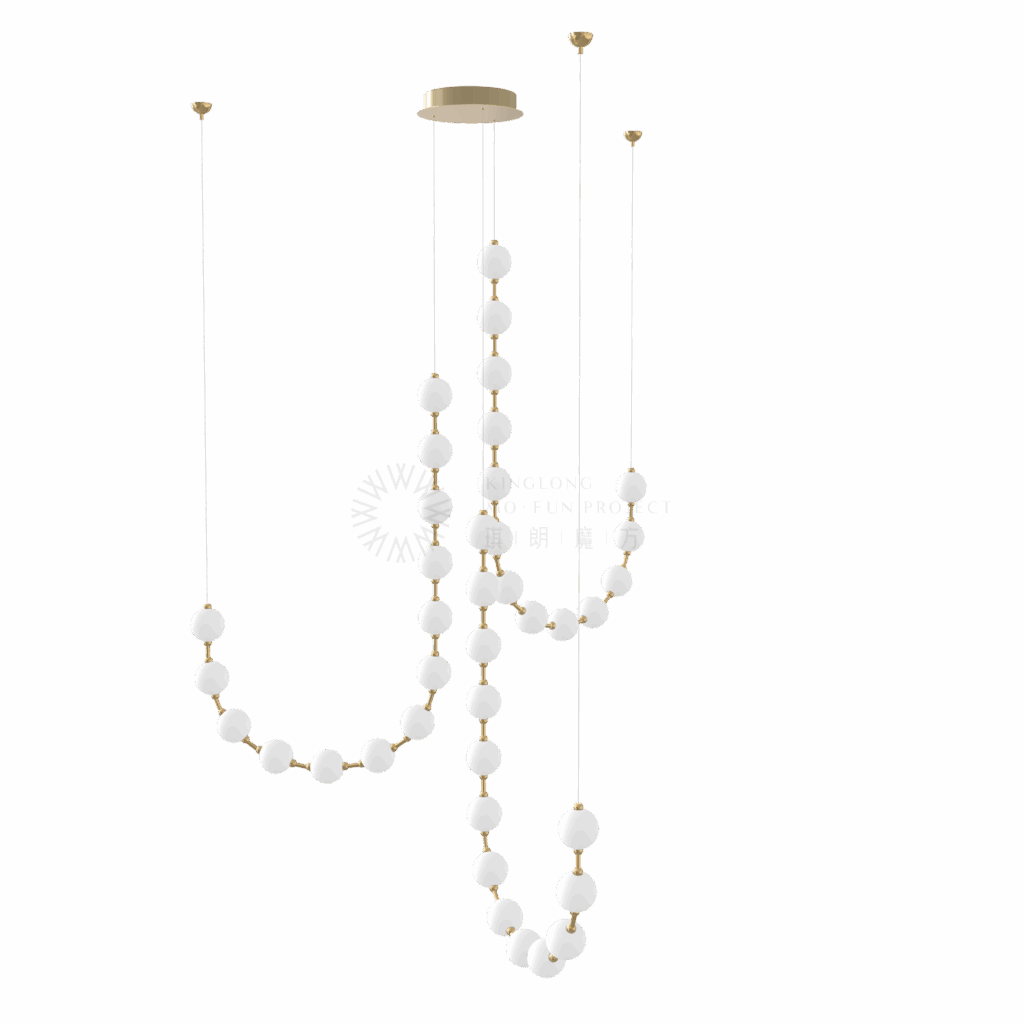
Set the Scene: Real Rooms, Real Stakes
Here’s the straight truth: lighting can make a job sing or flop. You might be working with a bespoke lighting company on a flagship lobby or a tight restaurant revamp. Picture the scene—mirror-finish floors, brass rails, and a deadline breathing down your neck. Data says close to a third of custom installs face rework tied to drivers or dimming conflicts, and it hits your budget fast. Another stat: poor thermal management can shave 15–20% off lumen output over the first year (no one talks about it until guests complain). So the question is simple: how do you pick a direction that won’t bite you later?
Let’s talk shop. CRI, DMX512, and power converters aren’t just jargon; they decide whether your chandelier actually dims smooth at 1% or flickers like a bad memory. And yes, photometrics on paper can lie if the heat sink is undersized. The fix isn’t fancy—it’s disciplined. Compare options by system behavior, not brochure gloss. We’ll break down what to look for and what to quietly avoid, so you can walk the job with confidence and finish strong. Onward to the nuts and bolts.
Where Legacy Choices Go Sideways
What’s the real choke point?
If you’re vetting custom chandelier manufacturers, the shiny render isn’t the hard part. The hidden snags live in the guts: mismatched drivers, sloppy load balancing, and dimming that fights the control stack. Classic fix? Swap the driver late. That leads to delays and noisy wiring changes—funny how that works, right? A better view is system-first: how the low-voltage bus, drivers, and fixture thermals play together under load. Look, it’s simpler than you think when you chase the right signals. Start with the dimming protocol, check the driver’s minimum current threshold, then test heat at full output for 30 minutes. You’ll learn more than a glossy spec ever tells you.
Two more pain points eat time. First, compatibility drift: the control head says DMX, but the driver expects PWM, and your gateway adds jitter. Second, maintenance math: if an LED board fries due to weak thermal paste, your crew never forgets. Add guardrails early—thermal pads rated for the environment, drivers with clear IES files and a stable EMI profile, and a wiring map that a night-shift tech can read in five minutes. Bonus if the maker provides sample kits with real dimming curves and scope captures. That’s how you cut risk before you cut metal.
Next-Gen Moves: Principles That Actually Save You
What’s Next
Let’s go forward-looking, not fancy. New control stacks blend edge logic with clean power design. Think small controllers at the fixture level—edge computing nodes that flatten jitter and make dimming predictable. Pair that with constant-current drivers tuned to your LED bin, and you avoid the “looks great at 100%, chokes at 5%” trap. Another shift: modular power trays with hot-swappable drivers and clear BOMs. That trims downtime when a unit fails on a Saturday. And when a team offers full-stack testing—driver, optic, diffuser, bus voltage—you gain something rare: repeatable behavior across zones. For complex hospitality or civic halls, that’s gold. If you need options, review bespoke lighting solutions that demonstrate dimming logs, not just pretty photos. Wait, there’s more — but it’s good news.
Quick case logic, future-facing. Compare two paths: a low-cost build with generic drivers versus a spec where the maker validates CRI drift and thermal headroom. The second path usually beats lifetime cost by a mile, because stable drivers protect LED lifespan and reduce service calls. Your punch list gets shorter, and the handover goes cleaner. To choose wisely, use three metrics: 1) Protocol proof—dimming smoothness at 1% under DMX512 or DALI with real scope traces; 2) Thermal reserve—documented heat rise at full load with margin for ambient spikes; 3) Service clarity—modular parts, labeled harnesses, and a 48-hour parts plan. Measure those, and you’ll pick winners without guessing. That’s a practical way to make custom work feel standard, and keep crews happy. For deeper reference and project thinking, see kinglong.