Why a framework matters for fiber-led data centers
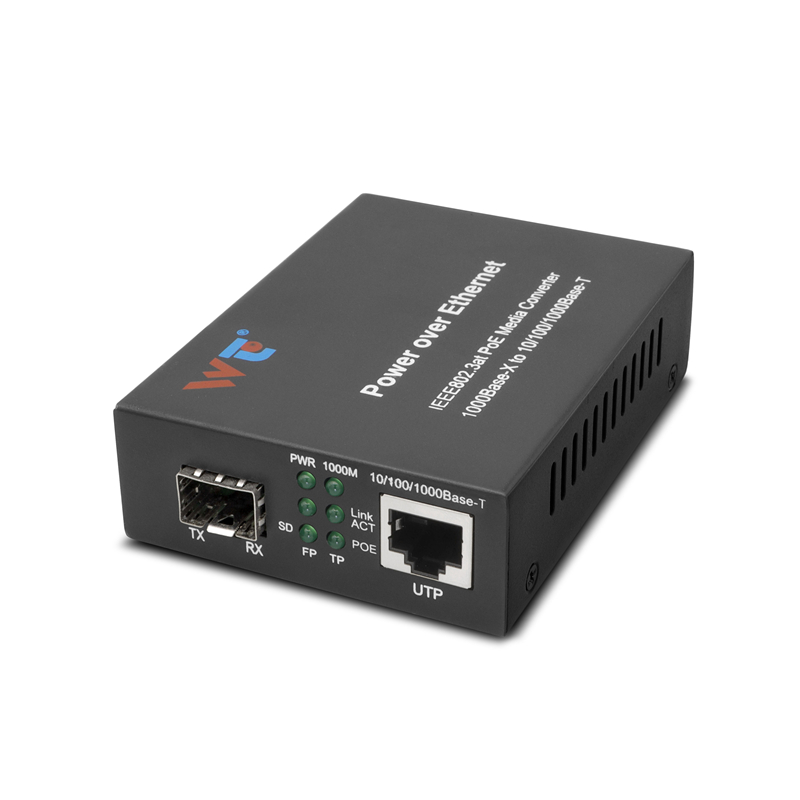
Design decisions scale. A repeatable framework turns ad hoc fiber upgrades into predictable capacity gains across racks and pods. Start by mapping traffic patterns, then match transport and transceiver choices to those flows. Early on, evaluate trusted media converters manufacturers for consistent media translation at layer 1—this prevents piecemeal purchases that create stranded ports and spare inventory headaches. The approach below keeps the architecture modular and upgrade-friendly.
Core layers and where 10G equipment belongs
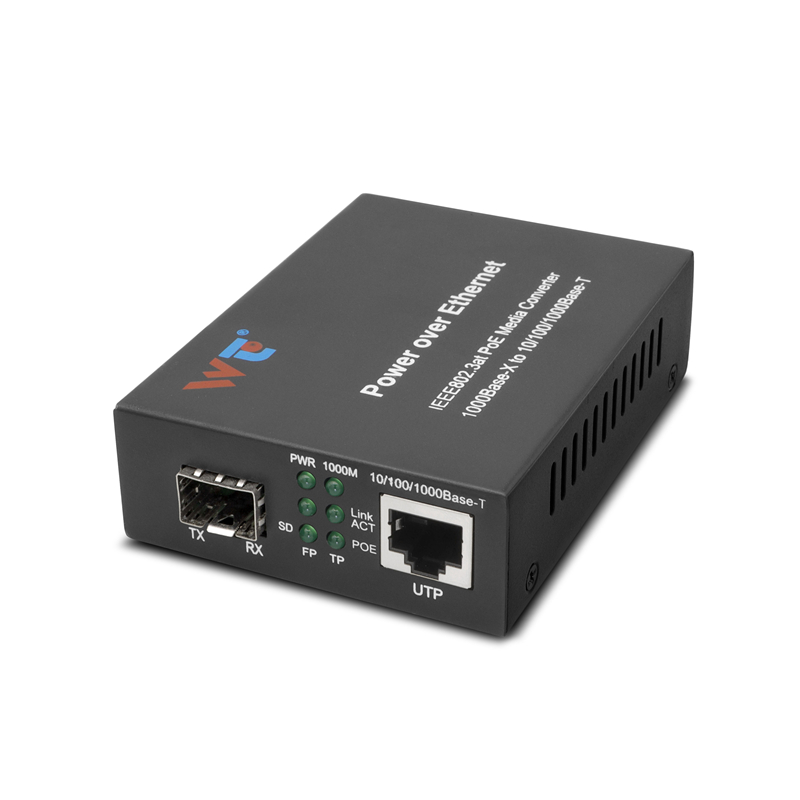
Segment the topology into access, aggregation, and core. Access uses high-density switches with SFP+ optics; aggregation consolidates flows and often requires link aggregation to avoid oversubscription; the core demands low-latency fiber trunks and resilient paths. Insert 10G media converter platforms at technology boundary points where copper runs meet fiber trunks—this maintains signal integrity without forcing wholesale switch replacements. Consider multi-mode fiber (MMF) for short runs and single-mode fiber (SMF) for campus or long-haul trunks to control attenuation and cost.
Selection criteria: ports, optics, and operational fit
Choose hardware with clear metrics: supported transceiver types, per-port power draw, and management APIs. Prioritize devices that expose diagnostics (optical power, BER) through standard SNMP or REST endpoints so you can automate health checks. Factor in spare port strategy: a few SFP+ slots reserved per top-of-rack switch avoids emergency buys during migration. Also confirm that chosen media converters and transceivers are validated against your cabling plant—mismatched optics cause subtle interoperability faults that spike ticket volume.
Implementation steps and common mistakes
Deploy in stages: pilot a single pod, validate link aggregation behavior under realistic loads, then roll across rows. Monitor latency and error counters; small rises in BER often precede larger outages. Common mistakes include mixing fiber grades without loss budgets, relying on passive splitters where active conversion is required, and ignoring environmental specs for converters in hot aisles. Patch labeling and port-mapping are low-effort actions that drastically cut mean time to repair.
Operational teardown: testing, validation, and tooling
Operational validation must include insertion-loss testing for each fiber leg, transceiver loopback checks, and an end-to-end throughput test at representative packet sizes. Use a calibrated optical power meter and document your loss budget per link—this prevents chasing phantom faults. Log port-level metrics during the pilot window and compare with baseline switch telemetry. When integrating a 10g media converter, confirm firmware parity and test cold-start scenarios to ensure converters re-establish links predictably after power events. Small verification steps save big rollback efforts.
Case anchor: Ashburn and hyperscale growth
Ashburn, Virginia, illustrates the pressures on physical layer design: dense footprints, varied tenant needs, and frequent upgrades. Operators there routinely balance short copper drops inside cabinets with fiber trunks between facilities, and they depend on consistent converter and transceiver sourcing to keep churn manageable. Use that example as a reality check when sizing spares or choosing a supplier—supply-chain reliability matters as much as port density.
Checklist: pragmatic items before full roll-out
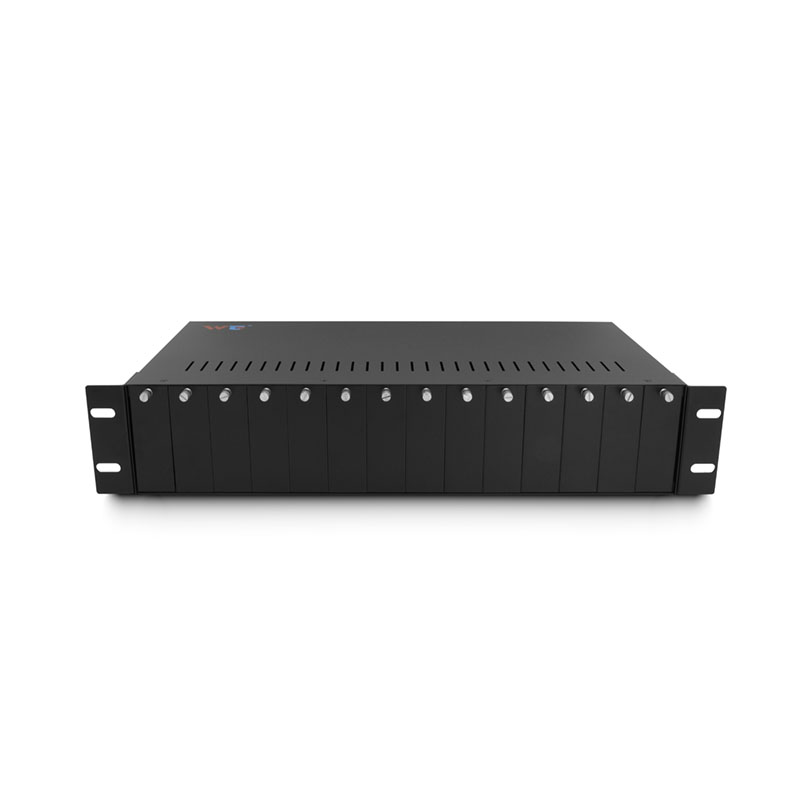
– Validate fiber grade (MMF vs SMF) and its connector types. – Reserve SFP+ capacity and document spare inventory. – Perform insertion-loss tests and maintain a link loss budget. – Confirm management API access for automation. – Test firmware and cold-start recovery for converters and transceivers. These checks reduce surprises and keep migration windows short.
Advisory: three metrics to evaluate success
1) Mean Time to Restore (MTTR) for physical-layer faults — aim for measurable reductions after structured labeling and converter standardization. 2) Link utilization variance across aggregation links — lower variance indicates balanced design and effective use of link aggregation. 3) Field failure rate for optics and converters per 1,000 ports — track this to decide vendor continuity or replacement. These metrics offer concrete signals that your fiber-first framework is working.
Good design isolates complexity, enforces repeatable tests, and reserves upgrade capacity — that’s how you turn one-off fixes into an operational advantage. WINTOP. –