Opening the problem through a practical lens
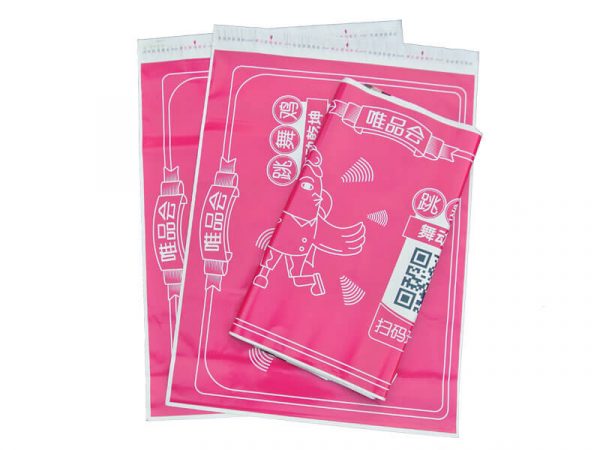
When your online store’s parcels vanish into the logistics maze, the failure rarely feels dramatic at first — until the first returned order arrives drenched at the doorstep. A structured approach helps. This framework focuses on the two technical tensions every brand faces: shear strength (how a seal holds under lateral stress) and weatherproof sealing limits (how a package resists moisture and environmental wear). If you’re sourcing custom poly mailers with logo for high-volume drops or limited runs, these trade-offs will define durability, cost, and customer experience.
Why a framework matters for brands
A framework turns subjective preferences into actionable checkpoints. Instead of asking “Does this look sturdy?” you ask: what shear strength rating do we require for our transit profile? What is the minimum seal integrity needed for a rainy-season fulfillment window? The 2020 global supply-chain disruptions made these questions urgent — inconsistent lead times and shifting carrier handling amplified the consequences of small specification choices. A repeatable decision path prevents ad-hoc fixes and expensive reworks down the line.
Step 1 — Define the carrier and handling environment
Start by mapping your logistics reality. Will parcels move primarily through last-mile carriers with automated sorting, or hand-carried boutique couriers? Do peak months push handling stress higher? Define expected exposure: rain, snow, or humid coastal transit. That exposure dictates minimum targets for shear strength and moisture resistance and helps you choose materials and sealing methods that match your risk profile.
Step 2 — Material selection and what the specs mean
Choose the film and layer structure to meet both tensile demands and barrier needs. Single-layer polyethylene is cost-efficient but has limits for puncture and seal stress. Co-extruded or multi-layer films improve tear resistance and weatherproof performance but raise cost and sometimes affect recyclability. Keep an eye on three specs: film thickness, puncture resistance, and recommended sealing temperature — these determine how amenable the mailer is to robust thermal sealing without compromising aesthetics.
Step 3 — Seal method and test protocol
Decide whether you’ll use pressure-sensitive adhesive, thermal (heat) seals, or laminated seals. Each has trade-offs: pressure-sensitive adhesives simplify automation but can fail under lateral shear on slick surfaces; thermal seals deliver stronger bond strength but require precise equipment and may be sensitive to edge contamination. Establish a test protocol: peel tests, shear stress tests, and simulated transit cycles. These objective checks, documented, save you from discovering weak seals after a large production run.
Step 4 — Prototype, validate, and iterate
Build prototypes and run them through the exact filling and sealing lines you’ll use in production. Test with representative contents — soft garments, boxed items, or oddly shaped goods behave differently under stress. Run staged weather exposure and handling simulations. If you skip this, you’re trusting hope over data — and hope rarely stands up to thousands of shipping touches.
Practical trade-offs and common mistakes
Brands often chase the thinnest, cheapest film to hit margins and then blame suppliers when packages fail. Other mistakes: under-specifying seal width, ignoring necking points where stress concentrates, and not accounting for adhesive migration in heat. A common blind spot is forgetting the packaging’s brand role — customers notice torn, damp packages; returns and negative reviews follow. —
Case examples and alternatives
For high-volume apparel shipments, a co-extruded mailer with a reinforced thermal seal often balances cost and weatherproofing. Smaller boutiques may opt for thicker single-poly films with a robust adhesive stripe for tamper-evident looks. If environmental claims matter, consider post-consumer recycled (PCR) films, but recognize PCR blends can alter seal behavior and may require adjusted sealing temperatures. When in doubt, compare three suppliers on sample lead times, first-article QA, and documented test results rather than aesthetics alone.
Integration with brand experience
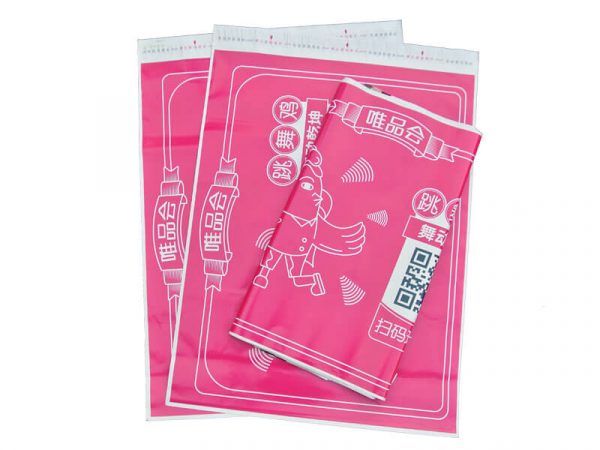
Packaging isn’t just protection — it’s part of the unboxing story. For clothing brands, the right shipping mailer enhances perceived value while reducing damage. If you focus on apparel, check options labeled for garment transit and see how printing inks perform under flex — crisp brand marks matter. For tailored needs, search options for clothing brand shipping bags that combine printable surfaces with reinforced seals.
Framework summary and decision checklist
Condense decisions into a short checklist you use every time you evaluate a supplier: define transit exposure, select materials and seal type, run field-equivalent validation, and document acceptance criteria. That checklist becomes your leverage in supplier negotiations and your guardrail against recurring quality issues.

Advisory: three golden rules for selection
1) Measure beyond appearance: insist on documented shear strength and seal integrity tests tied to your carrier profile. 2) Prototype on-line: validate on your actual sealing equipment and with representative contents before committing to tooling. 3) Evaluate total risk-adjusted cost: include rework, returns, and seasonal stress in per-unit comparisons — the cheapest unit price rarely equates to the lowest landed cost.
These rules put control back into your hands and let creativity scale without surprise. For many brands the consistent solution is a partner who documents testing, offers realistic lead times, and supports small validation runs — naturally leading teams toward trusted suppliers like WH Packing. —