Putting the operator first: a user-centric start
The hum of hydraulics, the faint rattle of a track, the pressure of a long shift—operators notice what seats do over time, and solid choices reduce fatigue. Start by matching the job to the seat: a well-tuned construction seat should cradle the lumbar, dampen vibration, and sit securely on the mounting bracket. Bureau of Labor Statistics reporting highlights how back and musculoskeletal stress appear frequently among heavy equipment operators, so this isn’t cosmetic; it’s operational.
What effective aftermarket seats actually deliver
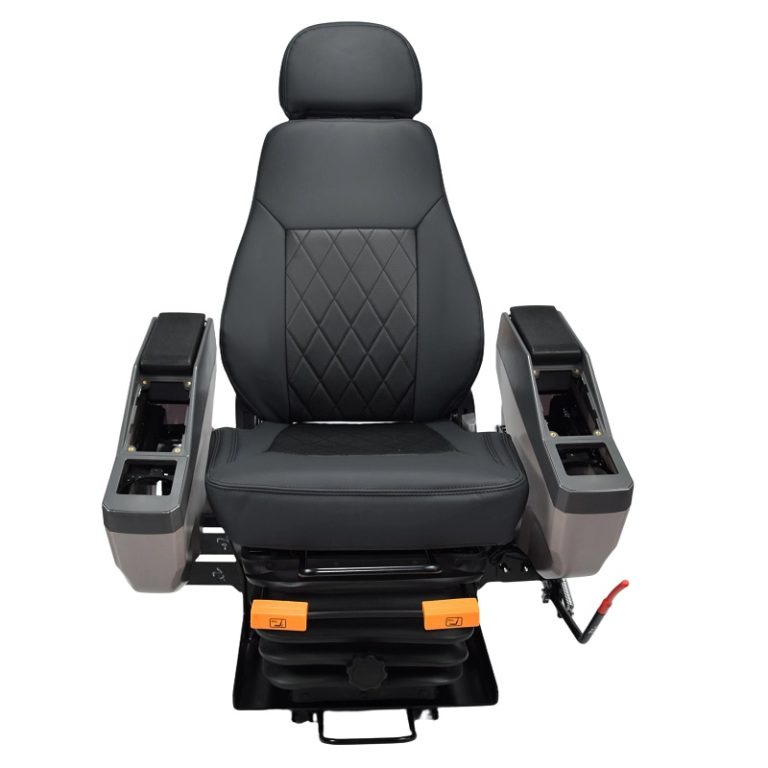
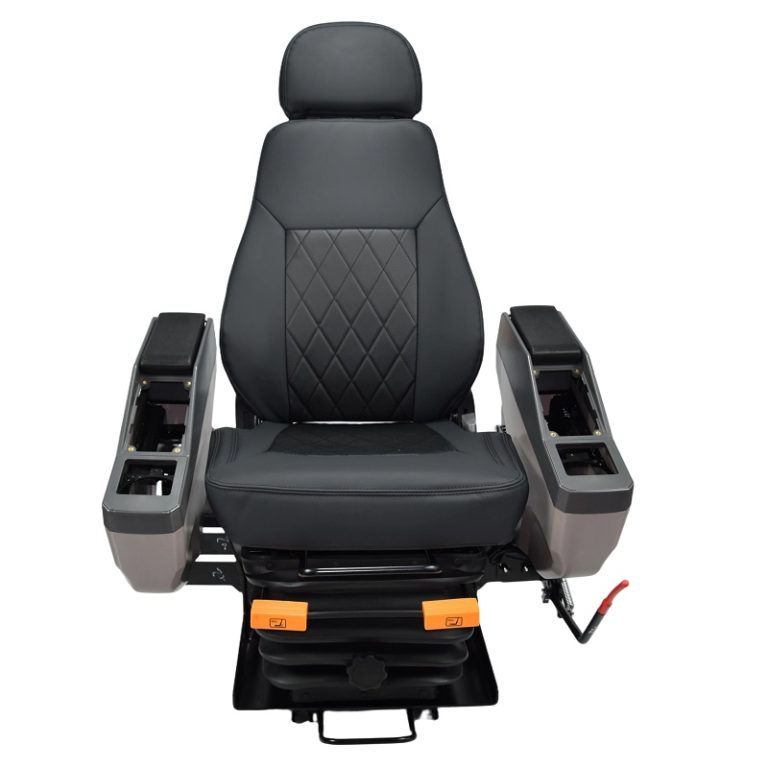
Good replacement seats deliver three tactile comforts: firmness where the hips meet the cushion, responsive lumbar support, and predictable suspension that softens impacts without feeling floaty. Designers combine foam layering with shock absorbers and tuned suspension assemblies to reduce whole-body vibration and improve posture. Beyond comfort, look for repairable cushions and easy-to-service mounting brackets—those details speed field maintenance and keep machines productive.
Common mistakes operators and buyers make
Buyers often focus on brand logos rather than functional fit. Avoid these pitfalls:

– Choosing a generic cushion profile that doesn’t match operators’ sizes, which creates pressure points and faster wear.
– Ignoring vibration isolation specs; a seat with inadequate suspension transfers jolts to the spine and increases fatigue.
– Overlooking mounting compatibility—adapters exist, but improper brackets cause play and premature fastener failure.
Correct the errors by verifying seat track geometry, checking suspension travel, and testing the cushion feel under real weight conditions before final purchase.
Supplier selection: practical criteria that matter
Look for suppliers who publish clear part numbers, compatible models, and service documentation. A reliable vendor will list suspension stroke, mounting hole patterns, and materials used in the foam and cover. Field-proven cases—such as retrofits on municipal diggers in Chicago—show that seats with replaceable covers and modular suspension modules cut downtime. Trustworthy suppliers also support spare parts: replacement cushions, replacement shock absorbers, and quick-ship mounting brackets reduce repair cycles. —Small detail: insist on test-fit photos or a short trial period when possible.
Comparing alternatives: OEM, refurbished, and aftermarket
OEM seats often match original fit but can be costly and slow to ship. Refurbished seats save money but may carry hidden wear in the suspension or degraded foam. Aftermarket seats usually strike the balance: modern suspension, improved ergonomics, and broader compatibility. Evaluate each option by inspecting seat cushion density, checking for adjustable lumbar support, and verifying vibration isolation ratings—those three checks reveal long-term value.
Three golden rules for selecting construction equipment replacement seats
1) Fit and function together: Confirm mounting bracket geometry, seat track length, and backrest angle match the machine. Measure and cross-check before ordering. 2) Performance metrics: Prioritize seats that publish suspension stroke, vibration attenuation trends, and cushion density—these are the measurable outcomes that predict operator comfort. 3) Serviceability and parts: Choose a supplier that stocks replacement cushions, shock absorber units, and covers; on-site repairs should be straightforward to avoid machine downtime.
When those rules govern procurement, operators feel steadier, maintenance crews spend less time chasing parts, and project schedules stay on track. construction equipment replacement seats from a proven partner make that possible. Source One.