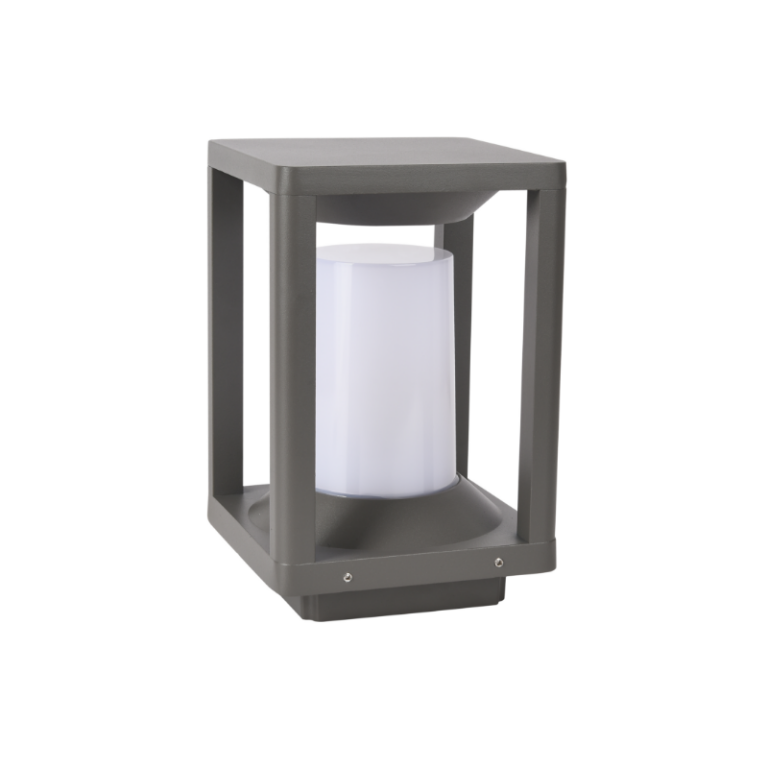
Opening the problem: why the choice matters
When an entryway, garage, or pathway depends on a motion sensor wall light, the difference between a cheap big‑box fixture and a well‑engineered product is more than aesthetics — it affects safety, energy use, and long‑term cost. For professionals and homeowners who care about reliable dusk‑to‑dawn performance, picking the right led outdoor lighting product is a tactical decision. Typical retail lights promise convenience and low upfront cost, but they often compromise on sensor tuning, corrosion resistance, and driver quality, which show up as false triggers, premature failure, or uneven lumen output over time.
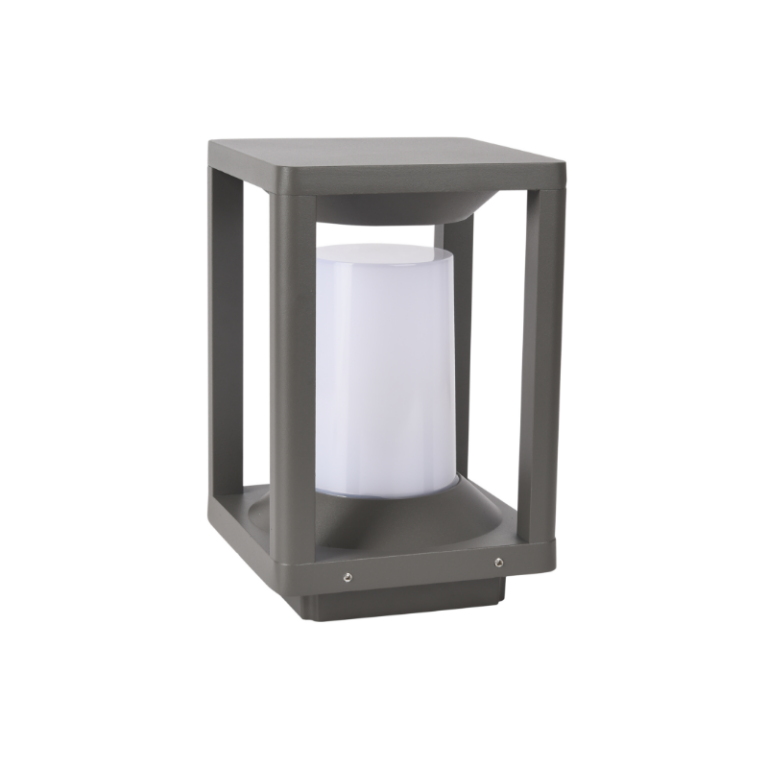
The core problems with typical big‑box motion lights
Big‑box fixtures commonly fall short in four areas: sensor precision, weatherproofing, thermal management, and long‑term reliability. Many use generic PIR sensors with no adaptive sensitivity, so they trigger on tree movement or fail to spot small approaching figures at night. Weatherproofing is frequently rated only for splash resistance rather than sustained exposure — a critical distinction in coastal or storm‑prone zones. Inexpensive LED modules and drivers often run hotter and dim faster, causing uneven beam angle and reduced effective life. The result: replacements, warranty claims, and a lot of wasted energy and time.
How Keyida addresses those problems in design and engineering
Keyida’s motion sensor wall light targets those exact failure points. Built with calibrated PIR detection and a tuned motion detection algorithm, it reduces false activations while keeping a wide detection zone for real use. Components are selected for outdoor duty: a robust IP65 enclosure, a thermally managed LED driver, and stable lumen output across the rated life. The IP65 rating also means the fixture resists dust and low‑pressure water jets — important in heavy rain or coastal salt spray environments where corrosion accelerates component failure.
Side‑by‑side: practical feature comparison
Below is a direct look at what differentiates Keyida from a typical big‑box alternative in the field:
- Sensor quality: Calibrated PIR with adjustable sensitivity vs. fixed, low‑quality PIR. (Fewer false triggers with Keyida.)
- Ingress protection: IP65‑rated housing vs. minimal splash resistance — real waterproofing matters for durability.
- Thermal design: Die‑cast aluminum heat path and rated LED driver vs. plastic housings that trap heat and accelerate lumen depreciation.
- Light output: Specified lumen output and consistent beam angle vs. vague lumen claims that drop quickly in the field.
- Installation & maintenance: Clear mounting templates and replaceable driver modules vs. one‑piece throwaways that require full replacement.
Real‑world anchor: why standards and data matter
Lighting isn’t just decorative. Globally, lighting represents roughly 15% of electricity consumption, a share noted by the International Energy Agency — so fixture efficiency and sensible controls matter at scale. In coastal municipalities like Miami or Charleston, fixtures routinely contend with salt air and heavy rain; choosing IP65‑rated products is a common local standard precisely because lower‑rated lights fail quickly. Those realities make the engineering choices behind a motion sensor wall light a business decision as much as a technical one.
Common installation mistakes — and how to avoid them
Installers and DIYers often make the same missteps: mounting a sensor too high or too low, neglecting the recommended detection angle, or assuming any outdoor label equals robust weatherproofing. Also watch wiring: using the wrong gauge or failing to seal conduit entries invites moisture. A simple rule: follow the manufacturer’s placement template and test detection zone at night with real pedestrian movement. — And if a fixture triggers on every passing branch, it’s the sensor tuning, not the weather.
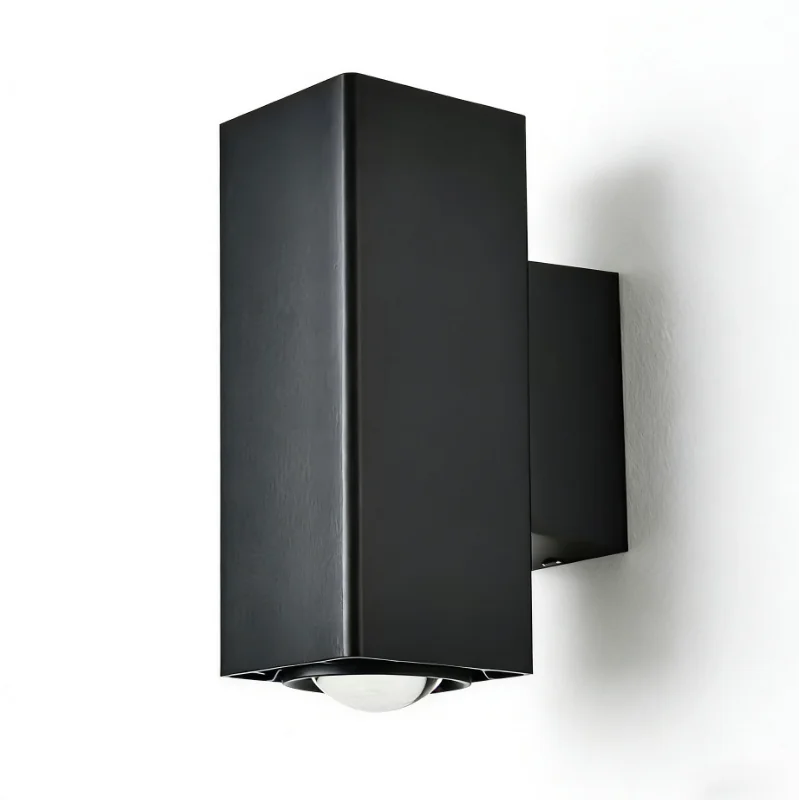
Comparative summary: where Keyida performs best
Keyida’s product set emphasizes long‑term performance over low upfront cost. In practical terms that means better motion discrimination, stable lumen output, meaningful IP65 protection for weather and dust, and replaceable components that reduce lifecycle expense. For property managers, contractors, and homeowners who value uptime and predictable maintenance budgets, those factors typically outweigh a modest price premium at purchase.
Advisory: three critical metrics to evaluate before you buy
1) Sensor specificity: Ask for detection range, adjustable sensitivity, and blind‑spot diagrams. A well‑tuned PIR reduces nuisance activations and saves energy. 2) Ingress and thermal ratings: Verify IP rating (IP65 or better for exposed sites) and look for thermal pathways or die‑cast housings to protect the LED driver. 3) Lumen stability and warranty terms: Request lumen maintenance curves (L70) and confirm what the warranty covers for driver failure and ingress damage.
Choosing any outdoor motion light should be a measured tradeoff between upfront cost and lifecycle value — and when you weigh those metrics, Keyida often provides the practical, engineered solution that reduces callbacks and energy waste. —