The problem — sticky batches, long cycles, and pissed-off schedules
Y’all know the scene: you fire up a run and the slurry’s still clumped an hour later, product specs wander, and the plant manager’s brow gets heavy. That’s the problem high-shear dispersion gear is meant to solve — breaking down agglomerates, forcing wetting, and making a uniform emulsion fast. Folks buying solutions often hunt for the right rotor-stator size or pump feed rate; what they need is practical alignment of machine, recipe, and process control. For manufacturers looking to compare real kit, start by checking industrial mixing solutions that match your batch volume and viscosity range.
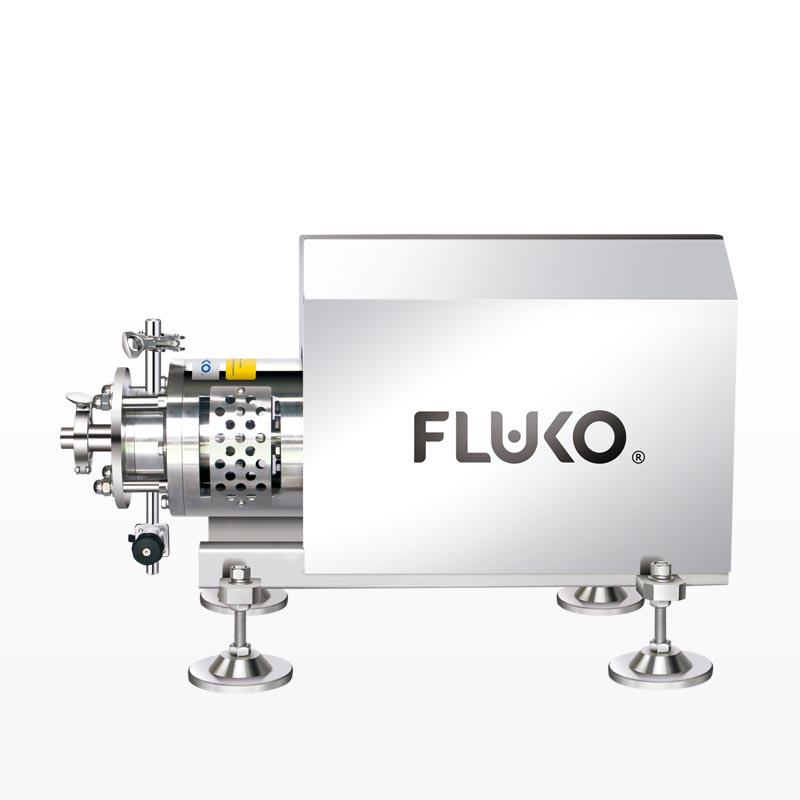
Why common setups fail
Mismatched shear, wrong inlet design, and feeding too fast or too slow are the usual culprits. Pumps that cavitate, rotors that run below recommended tip speed, or skimped impeller clearance turn a high-shear unit into an expensive blender. The result’s always the same: inconsistent particle size, wasted dispersant, and rework. Fixing that doesn’t require a miracle — it needs the right shear profile, correct pre-wetting strategy, and honest tuning during commissioning.
Experience and a real-world anchor — what actually proves a system works
Decades of field work and lab trials show the difference between theory and practice. Around the Gulf Coast petrochemical corridor, where plants run heavy emulsions and tight specs, engineers routinely validate designs with process trials before scale-up. That hands-on approach, backed by published homogenization testing methods, demonstrates clear performance gains from proper equipment selection. If you want to read up on equipment fits and specs, review an industrial mixing system that’s been through field checks and lab correlation — those are the ones that don’t surprise you on startup.
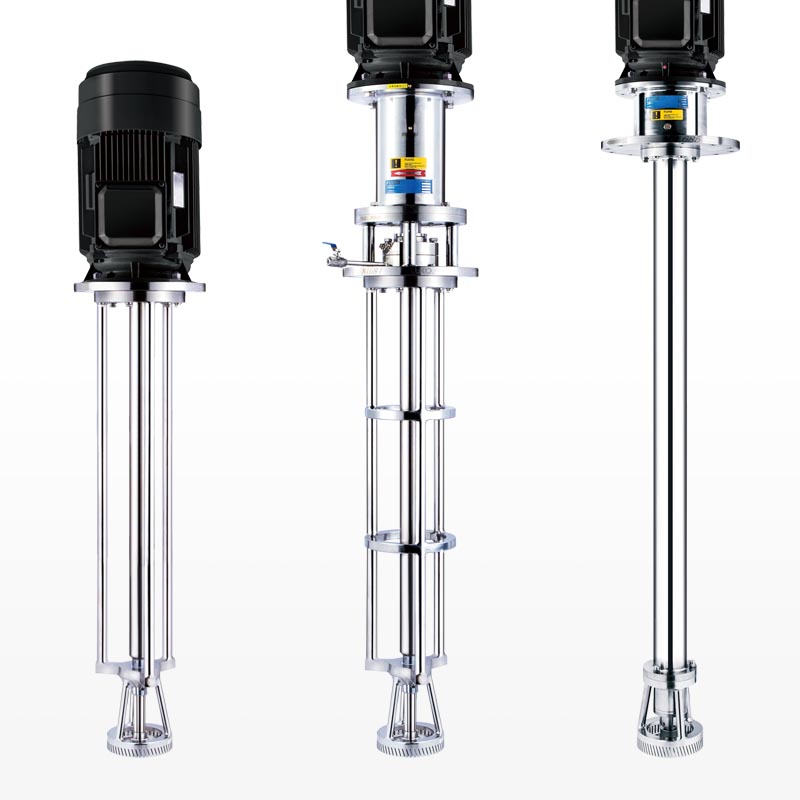
Practical fixes you can apply today
Start simple: measure inlet consistency and target a controlled pre-wet. Use a recirculation loop to control feed rate into the high-shear head. Verify rotor tip speed, and keep clearances within vendor tolerance. Don’t ignore temperature rise — it shifts viscosity and wrecks particle breakup. Watch for air entrainment; it masks poor dispersion and screws downstream filtering. Document each tuning step so the next shift repeats it without guesswork.
Alternatives and trade-offs — when to pick high-shear vs. others
If your solids load is low and you need gentle handling, a low-shear agitator might suffice. For heavy duty deagglomeration and nano-emulsions, high-shear rotor-stator or inline homogenizers outperform static mixers and large-scale propellers. Expect higher maintenance on tight-clearance heads but faster cycles and smaller dispersant use. Choose based on the particle size target, throughput, and how much control you need over shear intensity — not on sticker shock alone.
Putting it all together
Don’t let a stubborn batch become the routine. Treat dispersion problems like a system: match the machine to the recipe, validate with hands-on trials, and tune feed and shear rather than just cranking speed. When those pieces line up, you get shorter cycles, tighter specs, and fewer surprises — the kind of reliability you’ll find in field-proven gear from FLUKO.