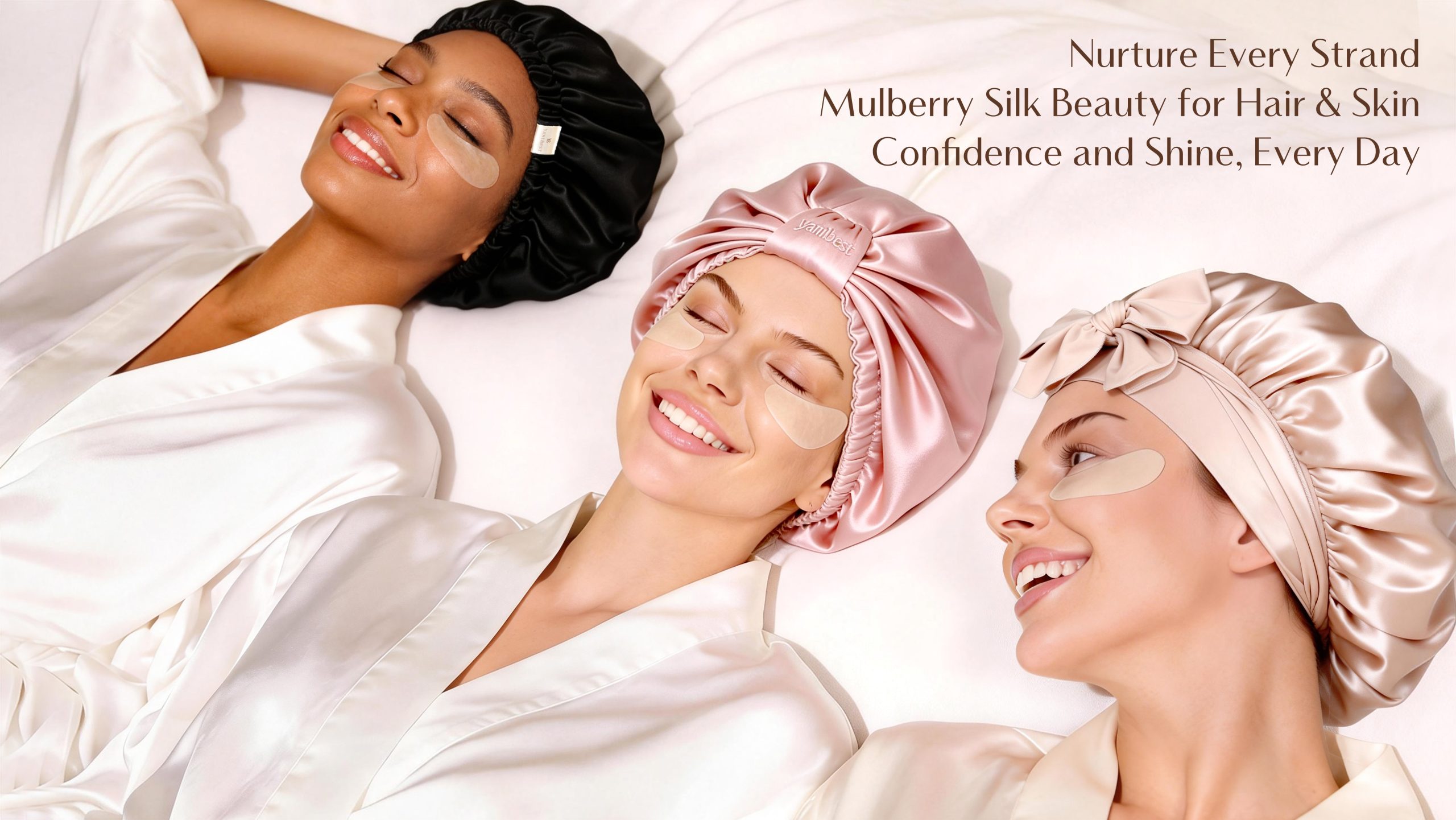
Why this comparison matters
Pick a bad nightcap and you wake up with frizz, pillow tug marks, or a serious sense of regret. That’s why a direct comparison between a silk-lined beanie and a silk bonnet actually pays off: one choice shields your style without messing with fit or warmth, the other prioritizes slip and moisture control. I compare them the way someone would compare two decent coffees—on flavor, kick, and whether they ruin your shirt.

Criteria that decide winners
Don’t get lost in marketing fluff. I judge protective headwear by four clear measures: fabric surface (how slippery it is), internal construction (stitching, lining, seam placement), retention (stays on through sleep and movement), and secondary use (can you wear it out and not look like a bedtime refugee). These are the practical metrics that reveal whether a piece preserves curls, protects chemically treated hair, or simply keeps ears warm.
Material face-off: silk vs blends
Pure silk—especially long filament mulberry silk—wins for friction control and moisture preservation. Synthetic blends can be warmer and cheaper, but they trap moisture and snag finer strands. If provenance matters to you, many suppliers source silk from traditional regions such as Suzhou, known for mulberry cocoon cultivation; that supply chain reality shapes texture and longevity for items like the mulberry silk tie bonnet used by stylists and careful sleepers alike.
Design differences that actually change outcomes
A silk-lined beanie usually adds structure and warmth—great for cold mornings and short hair. A bonnet focuses on slip and volume management; it’s kinder to curls and braids. Look at opening styles: drawstrings and ties let you control tension, elastic bands are convenient but can cut into the hairline, and full-cap linings reduce transferred oils. The devil is in the seams: internal raw seams mean breakage; flat seams and wide bands mean fewer problems.
Common mistakes people make
Buying by label, not by fit. Choosing the shiniest fabric over tested construction. Washing everything at the hottest temp. Expecting one product to solve all problems—no single item replaces proper styling, conditioning, or sleep posture. If you sleep on a textured pillow, even the best bonnet will underperform unless it’s secured. And sizing matters: too tight causes dents; too loose lets hair escape and frizz.
Short review of viable alternatives
Satin scarves are cheap and lightweight; they work for quick fixes but can slip off. Full silk caps offer premium protection but can feel warm if you live in a humid climate. Cotton-lined beanies are breathable and practical for outdoors, but cotton robs hair of moisture overnight. If you need both warmth and slip, a hybrid—wool exterior with a silk interior—often balances the trade-offs best.
Care and longevity—simple rules
Hand wash gently, use mild detergent, air dry flat. Avoid the dryer and iron unless the label explicitly allows it. Rotate headwear: letting the same piece handle nightly oils shortens its useful life. Small repairs—re-stitching a loose seam or replacing a worn tie—extend value more than chasing the latest trend.
Final synthesis
Choose a silk-lined beanie when you want structure and warmth without surrendering hair health; choose a bonnet when you prioritize slip, volume control, and lower friction during sleep. Practical trade-offs matter more than buzzwords. After testing and comparing materials, fits, and real-use durability, the most reliable outcome is consistent protection tailored to your routine—exactly the kind of pragmatic value you’ll find at yanibest.
