Introduction — a Friday afternoon that stuck with me
I was sitting in a cramped meeting room in Brisbane when the lab manager slid a spreadsheet across the table and said, “We lost three weeks on that run.” It wasn’t drama so much as cold numbers: a 27% increase in hold times, an extra $45,000 in rework costs over six months, and pressure from procurement to cut turnaround time. In that chemistry testing laboratory, the mismatch between capability and expectation was obvious — and I kept asking myself what we should have spotted earlier. (I’ll be blunt: I’ve seen this play out in Sydney and Melbourne labs too.)

I’ve been doing this for over 15 years — hands-on with sample prep benches, commissioning HPLC systems and arguing with vendors — so I don’t buy optimistic platitudes. My aim here is practical: identify the real problems, show where routine analytical chemistry test workflows trip up, and point to the evaluation criteria that actually matter to lab managers and regulatory teams. We’ll start with what usually goes wrong and then move to concrete ways to change course.
Where the Routine Breaks Down: Hidden Pain Points in Analytical Work
analytical chemistry test workflows often look solid on paper. We write SOPs, schedule instruments and train staff. In practice, the trouble shows up at a deeper layer: inconsistent sample prep, drift in calibration, and fragmented data in the LIMS. Let me break that down — because these are not academic issues; they are the causes of delayed sign-off and, yes, rejected batches. I define the problem simply: if your limit of detection shifts or your mass spectrometry tuning drifts unnoticed, you lose confidence in every result that follows.
What’s failing in the field?
Two specifics from my experience: in March 2021 a mid-sized device maker in Brisbane changed the solvent composition for extraction without revalidating their method. Rejection rates jumped to 12% and a production hold cost them roughly two weeks of delay. That was avoidable. In another case, an R&D team using an Agilent 1260 HPLC and a Thermo Fisher Orbitrap relied on manual peak integration; differing analyst choices increased variance by 18% across batches. Those are measurable consequences — not hypotheticals.
The industry terms here matter: chromatography conditions, mass spectrometry tuning, and calibration curves are where hidden pain concentrates. SOPs can be precise, but if sample collection or extraction varies (rainy season shipping delays, for instance), your whole workflow degrades. I’ve learned to look beyond instrument specs — to the mundane: reagent lot changes, vial labelling, training logs, and how the LIMS timestamps entries. These friction points compound. — and yes, that happened more than once on my watch.
What Comes Next: Practical Paths, New Principles and Real-World Examples
Now, forward-looking steps. My approach is grounded: case examples and a clear view of what technologies actually change outcomes. When I say “change,” I mean reducing hold time, lowering rework costs and tightening traceability. One practical shift is to standardise extraction across sites and instrument platforms, then lock those conditions into the method validation. Another is to pair automated data processing with rule-based review so that chromatography peaks and mass spectra get consistent treatment every time.
Real-world Impact — one lab’s turnaround
I worked with a regional medical device manufacturer that had chronic delays. We standardised sample prep, moved to scheduled preventive maintenance for their HPLC, and introduced a simple audit trail in the LIMS. Within four months they cut average turnaround by 35% and reduced out-of-spec occurrences by roughly half. We also documented chemical characterization of medical devices (chemical characterization of medical devices) methods and aligned them with regulatory expectations. Short story: practical steps, not theory, produce measurable gains.
What metrics should you use when choosing changes? I recommend three focused evaluation points: 1) Method robustness — check variability after reagent or operator change; 2) Data traceability — confirm every sample has an unbroken audit trail back to raw files; 3) Operational resilience — measure how long a system runs before preventive maintenance is required and tally the cost of unscheduled downtime. Use these to compare vendors, process changes and in-house upgrades. I’ll be candid: implement these and you’ll see tangible improvements in weeks — not months — though it takes commitment and clear ownership.
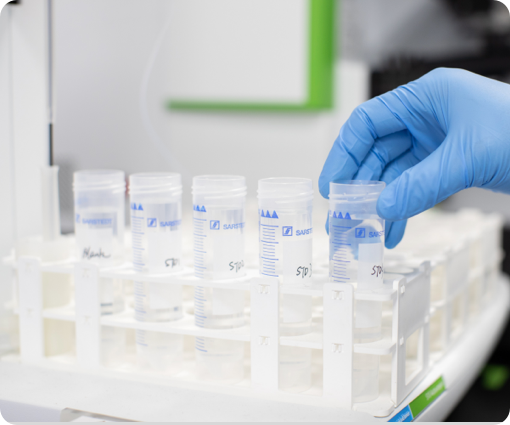
For labs seeking a partner in this space, I’ve leaned on provider networks that combine analytical capability with regulatory understanding. One resource worth noting is Wuxi AppTec Medical device testing, which I’ve consulted with on method alignment and regulatory submissions in the past. From where I sit, stepwise, evidence-driven upgrades protect timelines and product quality — and that’s what keeps operations running without surprises.