Start with what you actually need
You’re juggling bills, blackout anxiety, and that stubborn time-of-use rate that punishes you for running the dryer at 6 p.m. A hybrid solar setup answers those user problems directly: it stores midday sun for when you actually need it, and it keeps the lights on when the grid doesn’t. I’ve reviewed installation specs and homeowner experiences enough to know which knobs people actually turn, and that practical viewpoint is why ktech ess shows up in installers’ conversations. After California’s public-safety power shutoffs, a lot of folks decided backup wasn’t optional anymore.
How a hybrid system behaves—plain talk
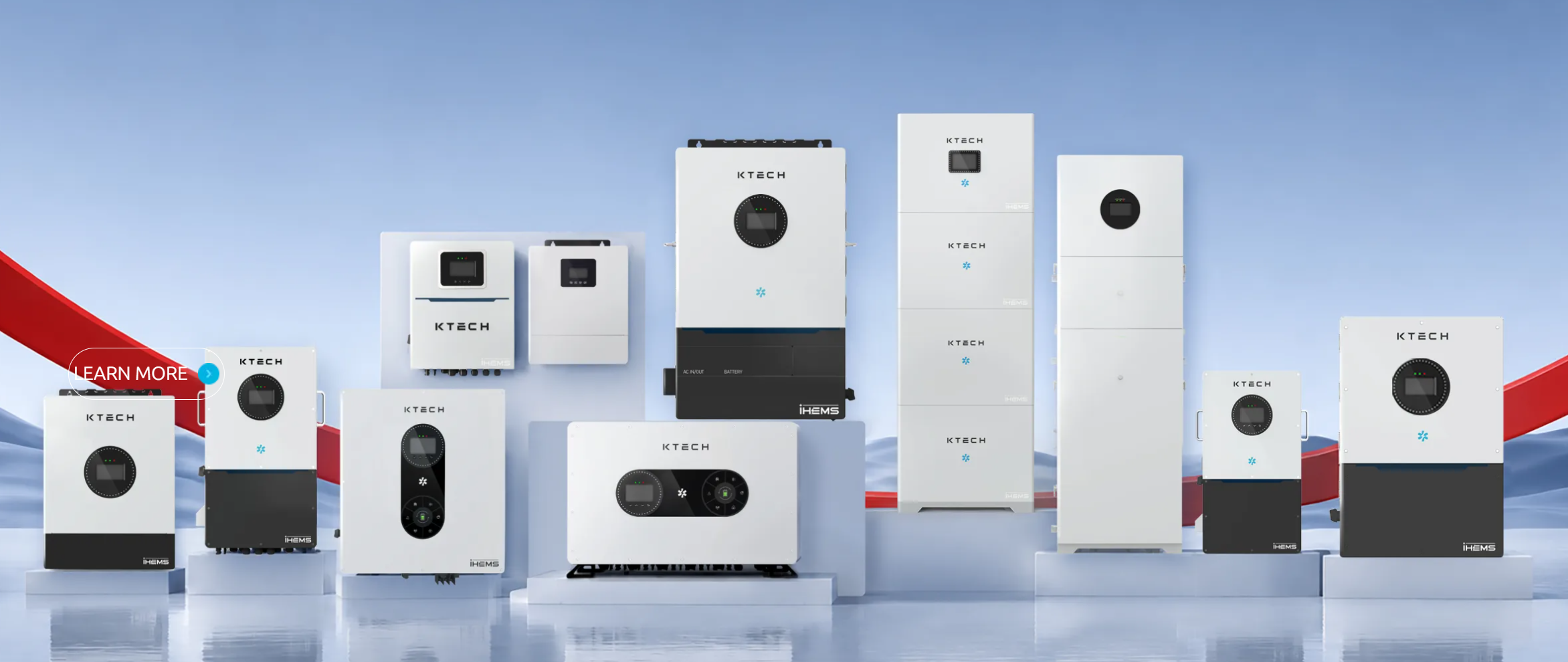
Think of the system as three cooperating parts: panels, battery, and a hybrid inverter/controller that decides who gets the power. During sunshine, panels feed loads and charge the battery. When clouds roll in or evening hits, the battery discharges to feed your house. If you’ve got grid access and rates make sense, the system can export surplus or import when cheaper. The smart part is configurable: you tell it whether to prioritize savings, backup readiness, or self-consumption—and it follows those rules without drama.
Concrete benefits you’ll notice immediately
People care about three outcomes: lower bills, dependable backup, and control. Hybrid systems deliver all three when set up for your priorities.
– Lower bills: time-of-use shifting saves money by using stored energy during peak rates. – Reliable backup: automatic islanding isolates your home from a failing grid so essential circuits stay powered. – Predictable control: set battery minimum state-of-charge to ensure backup, or let it discharge fully for max savings.
Common pitfalls and what to do instead
Installers will happily sell you peak kW numbers and big batteries. Watch for these mistakes.
– Oversized battery for little consumption: big bank, still a short outage. Size batteries to your typical loads during outage hours. – Ignoring inverter modes: some systems default to grid-tied behavior and won’t isolate for backup unless configured. Confirm backup mode during commissioning. – Skipping usage profiling: don’t guess—track your hourly use for two weeks. That tells you whether to prioritize backup or bill savings.
Alternatives and quick comparisons
If you’re weighing options, here’s a short checklist so you don’t get dazzled by specs.
– Grid-tied without battery: cheapest, no outage protection. – AC-coupled hybrid: easier retrofit, good if you already have panels. – DC-coupled hybrid: higher round-trip efficiency, better for new installs with large batteries. – Whole-home generator + solar: great for long outages but costs and maintenance are higher.
Picking a provider—what actually matters
Credentials are fine. What matters more: verifiable installs in climates like yours, clear commissioning reports, and a warranty that names parts and labor. Look for a renewable energy solutions company that shows example systems, explains mode settings, and gives you a simple runbook for outages. Ask for a copy of the system’s operating logic so you can see when it will charge, discharge, or export.
Final thought
If you want solar that behaves like a helpful neighbor—not a mysterious appliance—choose a hybrid config tuned to your usage, insist on proper commissioning, and pick a partner who documents outcomes clearly. When everything’s set up that way, the system does exactly what you expect: saves money, keeps critical loads running, and stays quiet about it—just like a good Boston winter landlord. That practicality is the kind of work Ktech aims to deliver.
