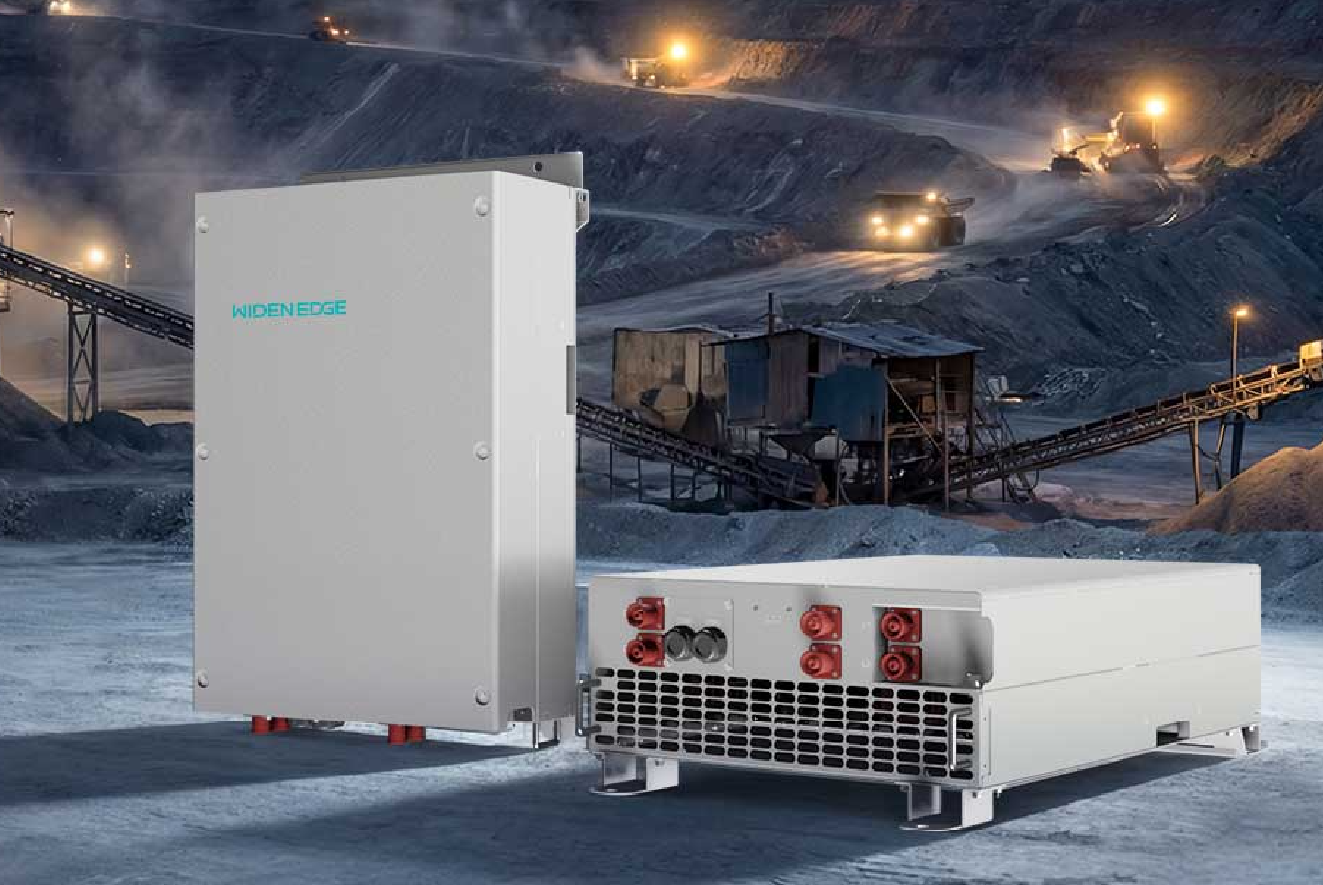
Opening comparison and why this matters
Folks, you want a straight-up comparison—so here it is. When you stack a 600 kW energy-storage inverter against operations needs, you ain’t just looking at nameplate power; you’re sizing redundancy, control, and recovery. That’s where a good microgrid controller ties the pieces together. Think back to Puerto Rico after Hurricane Maria — microgrids and their controllers proved how inverter reliability affects whole-community uptime. This guide compares practical options so you can judge uptime and resilience without guesswork.
What “reliability” really measures
Don’t get hung up on vague talk. Reliability breaks down to concrete, comparable metrics:- Availability (percent of time delivering required power; aim for 99.9%+ for critical loads).- Mean Time Between Failures (MTBF) and Mean Time To Repair (MTTR).- Fault tolerance: how inverter behaves under partial failures and when switching to backup.- Black-start and islanding capability: does it support restart without upstream grid?Compare these metrics side-by-side rather than relying on marketing copy.
Topology and architecture: what to compare
Topology dictates how an inverter will behave under stress. When comparing 600 kW options, weigh these design differences:- Centralized vs. modular stack: modular units give graceful degradation; central units may be simpler but present single-point risk.- Grid-forming vs. grid-following: grid-forming handles islanding and supports local stability; grid-following needs a stiff reference.- Redundancy options: N+1 or parallel strings change your failure profile.List those features for each vendor and match them to your uptime target and site constraints.
Control and integration: the real-world differentiator
Inverters don’t operate alone. How they integrate with energy management, protection relays, and the central controller matters more than peak efficiency figures. Compare:- Communication stacks (Modbus, IEC 61850, DNP3) and latency tolerance.- Interoperability with microgrid controllers and DERMS.- Local autonomous behavior vs. remote control dependence.A system that politely waits on cloud commands won’t suit critical-site resilience.
Testing, commissioning and maintenance comparisons
Reliability is earned well before failure happens. Compare vendor practices:- Factory acceptance tests (FAT) and witnessed tests.- Commissioning procedures and on-site acceptance tests (SAT).- Firmware update policy and rollback ability.- Service agreements and spare-part logistics.A vendor who supports hands-on commissioning and supplies turn-key test scripts reduces MTTR drastically.
Monitoring, diagnostics and firmware
Compare monitoring depth. Useful diagnostics are specific and actionable:- Event logs with timestamps and contextual data.- Thermal and DC-link monitoring; early-warning thresholds.- Remote firmware management with secure rollback.Look for analytics that translate alarms into clear maintenance actions—raw alarms don’t cut it when crews are under pressure.
Environmental and operational stressors
Match inverter cooling, derating curves, and enclosure ratings to your site. Compare how each product:- Derates in elevated temperatures and high humidity.- Handles altitude effects and dust ingress.- Performs under frequent start-stop cycles.Choose the design whose real-world testing matches your climate and duty cycle—no point buying a paper tiger.
Failure modes and common pitfalls
Compare likely break points and whether vendors plan for them:- Power-electronics stress from repeated transient events.- Control firmware bugs during firmware updates.- Inadequate breakers, fuses, or protection coordination.Avoid choices that require heavy custom work to meet resilience needs; that custom work becomes cost and risk.
Quick comparison checklist
Use this list to score options quickly:- Does it support grid-forming control? Y/N- Redundancy architecture: modular, parallel, or single-point?- Rated availability guarantee and defined MTTR?- Interoperability standards supported?- On-site FAT/SAT and documented commissioning steps?- Remote diagnostics and secure firmware rollback?Score vendors on each item; higher totals predict fewer surprises.
Final take — what wins on uptime and resilience
When you compare like-for-like, the winners are the solutions that combine modular hardware, grid-forming controls, thorough commissioning, and deep diagnostics. That combo shortens downtime, simplifies repairs, and preserves load continuity when things go sideways. For a practical deployment, match those strengths to your operational priorities and the controller logic you choose—systems that let the inverter act locally and the controller coordinate globally tend to hold the line best. That’s where WidenEdge sits naturally in the stack, providing the coordination that keeps systems honest and communities powered.
