Introduction: Coastal Builds, Tight Budgets, Real Choices
Here’s the truth. A project by the sea goes up fast, but the salt, sun, and wind test every joint and finish. Aluminum Veneer sits on the spec sheet beside stone and fiber cement. A recent facilities report shows maintenance costs rising near 18% year over year on big campuses, and wind events topping old records in many coastal towns (mi know, it rough). So, can a aluminum veneer panel stay stable, keep color, and lower life-cycle spend—or is it just talk?
In yard terms, we need a system that holds firm, not just a pretty face. Numbers favor light cladding with smart detailing, but site crews still fight leaks and rattles. The data says PVDF finishes can hit 20–30 year performance, yet the wrong subframe or seal makes that moot. Which path gives owners less worry, fewer call-backs, and a look that lasts? Let’s step through the options, weigh the trade-offs, and see which choice mek sense for you—then roll to the next move.
Part 2: The Hidden Pain Points Most Specs Don’t Solve
Why do panels struggle once the building breathes?
Let’s get technical and clear. Many failures don’t come from the face sheet; they come from the system. Wind load drives panel flutter, and if fastener torque isn’t set right, anchors loosen over time. Thermal expansion in long runs pushes against tight corners; without slotted brackets and real expansion joints, you get oil-canning or cracked sealant. Water? It always finds the lazy path. A rainscreen cavity needs pressure equalization and clean drainage, not just a gap. Look, it’s simpler than you think: design the escape route for water and movement, or you pay later—funny how that works, right?
Finish and color control also hide traps. PVDF coating resists UV well, but batch variation can show panel to panel unless coil coating and lot tracking are tight. Anodized layers look crisp, yet contact with dissimilar metals can spark galvanic corrosion if isolators are missing. Onsite cuts without sealed edges invite oxidation. Then there’s the subframe. If the extrusion line isn’t plumb and true, the tolerance stack-up shows at every joint reveal. Small things—gaskets, backer rod, clip spacing—turn to big costs when swapped in the field. The core issue: traditional specs treat panels as pieces, not as a tuned system with movement, water, and service built in.
Part 3: Comparative, Forward-Looking Fixes That Change the Game
What’s Next
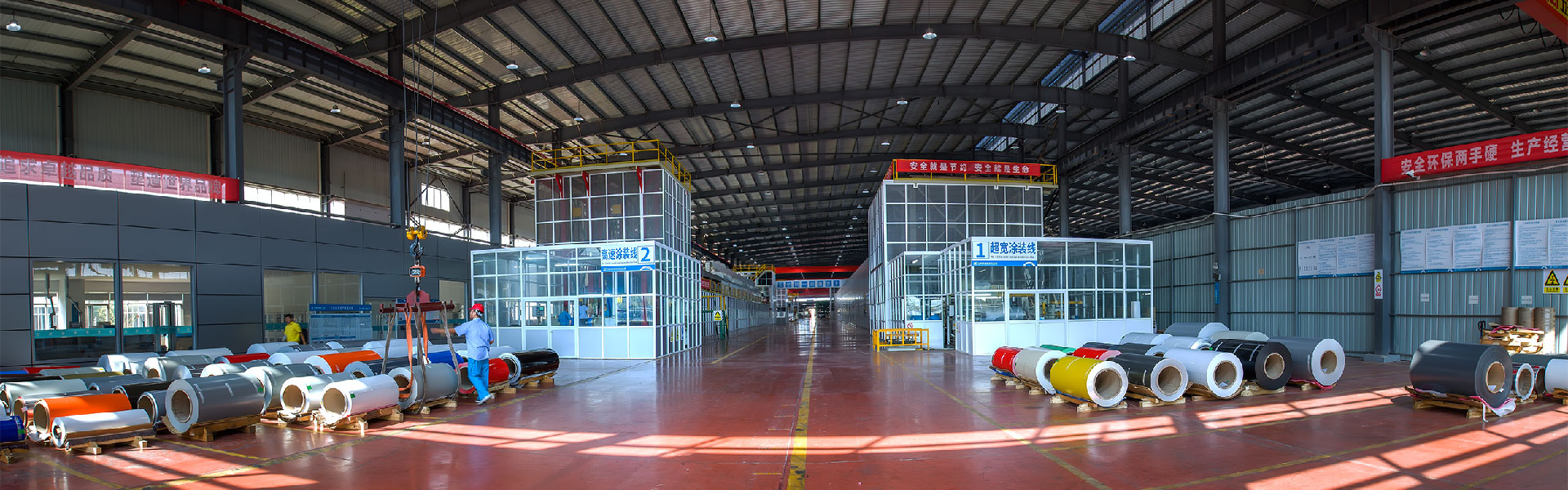
Now, a better path uses new technology principles, not just thicker metal. Pressure-equalized rainscreens reduce the push-pull on joints by balancing air in the cavity. Slotted, thermally broken brackets handle the slip from heat and cold without stressing the skin. Blind fasteners with calibrated torque stop vibration loosening. Coil lines with inline spectrophotometers keep color delta low across lots. And CNC routing with hemmed edges raises panel stiffness while trimming weight. When a china aluminum veneer factory builds around these steps, you get fewer site hacks, tighter reveals, and faster closeout. Small upgrades, big peace of mind.
Compare that to older methods that rely on heavy sealant and hope. The modern stack is lighter, yet stronger where it counts—at joints, clips, and corners. Drainage paths are mapped, not guessed. Expansion math is part of the shop drawing, not a field debate. That’s the shift: from panel as product to panel as system. We covered the pain points—movement, water, and tolerance. Now we balance them with smart parts and verified steps. It feels high-tech, but it reads simple on site. Installers work faster; owners see fewer tickets; facades stay calm in wind. And yes, it still looks sharp (no drama).
Advisory close: three checks before you choose—1) System movement: ask for tested thermal expansion details, slotted hardware, and expansion joint layout. 2) Water management: demand a pressure-equalized rainscreen with documented drainage paths and cavity ventilation. 3) Finish fidelity: require coil-coated PVDF with color QA data across lots and clear touch-up rules. Keep those three steady and the rest follows—your facade will age well, your budget stays steady, and your team sleeps easier. Learn more at yaret.